Start with the apparent match
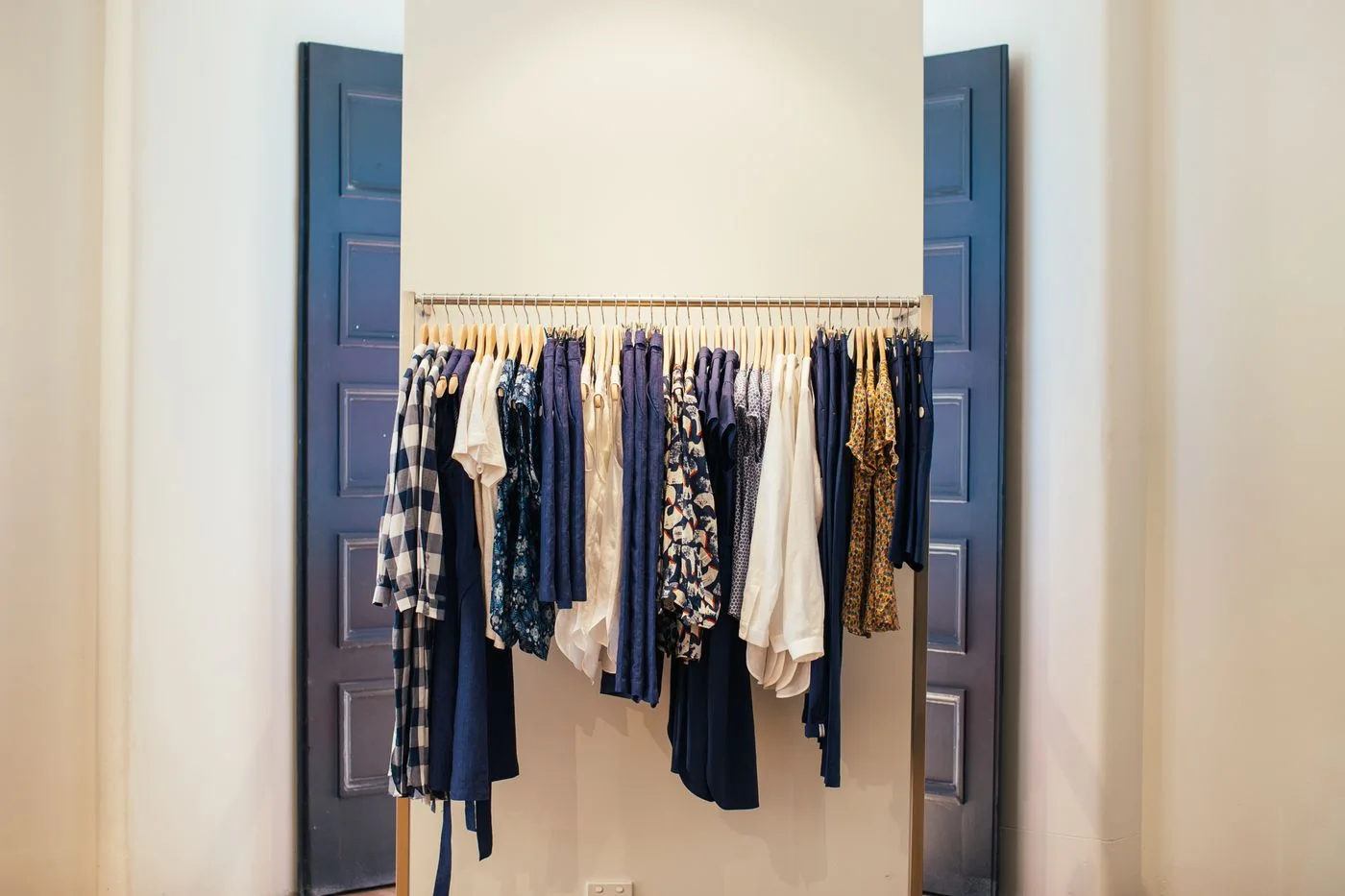
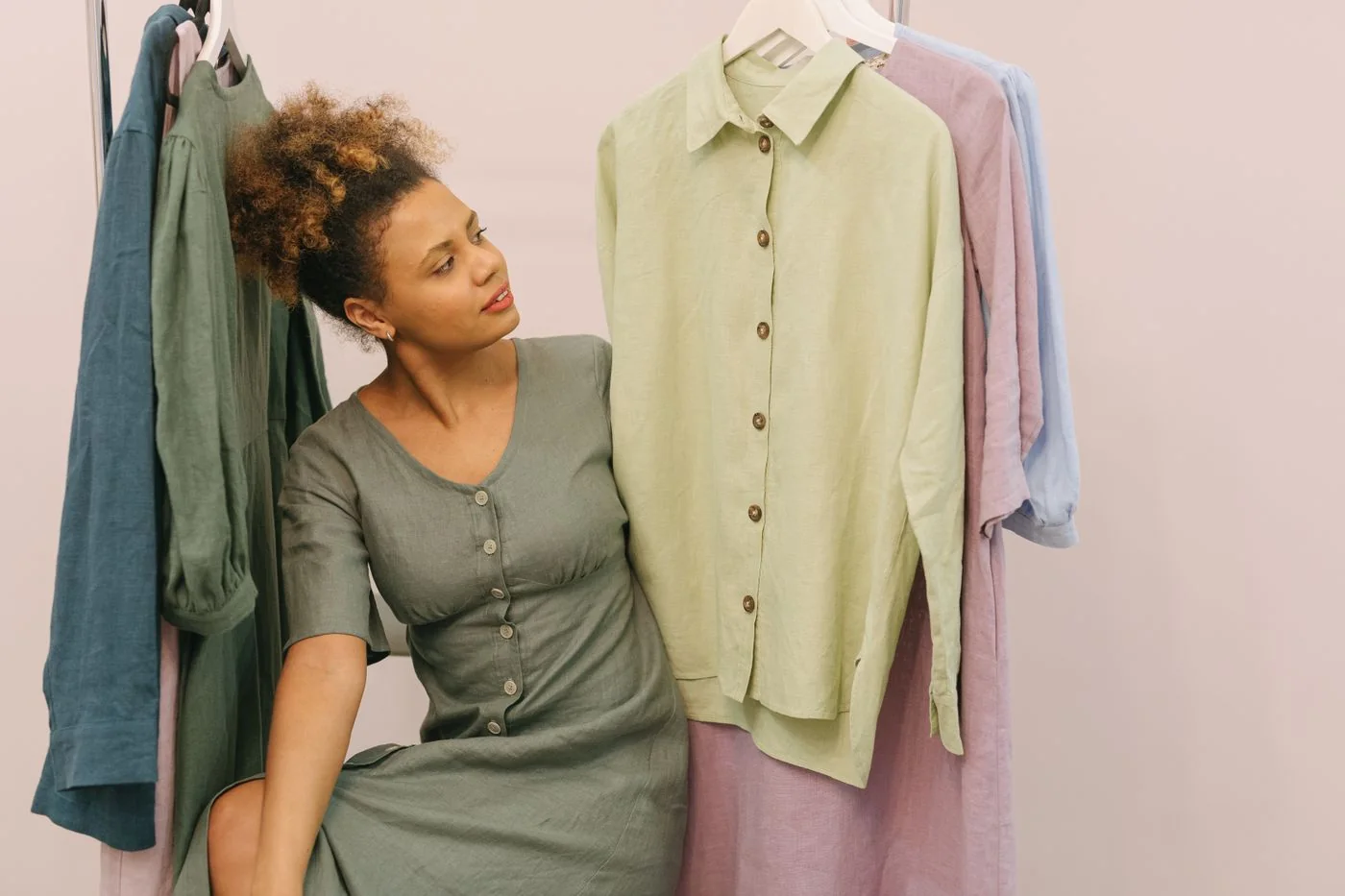
Two shirts on neighbouring hangers may look almost interchangeable from the aisle. Bring them into the same light and compare the complete garments before deciding that colour is their only difference. Look at opacity, surface texture and the way each hangs from its own seams.
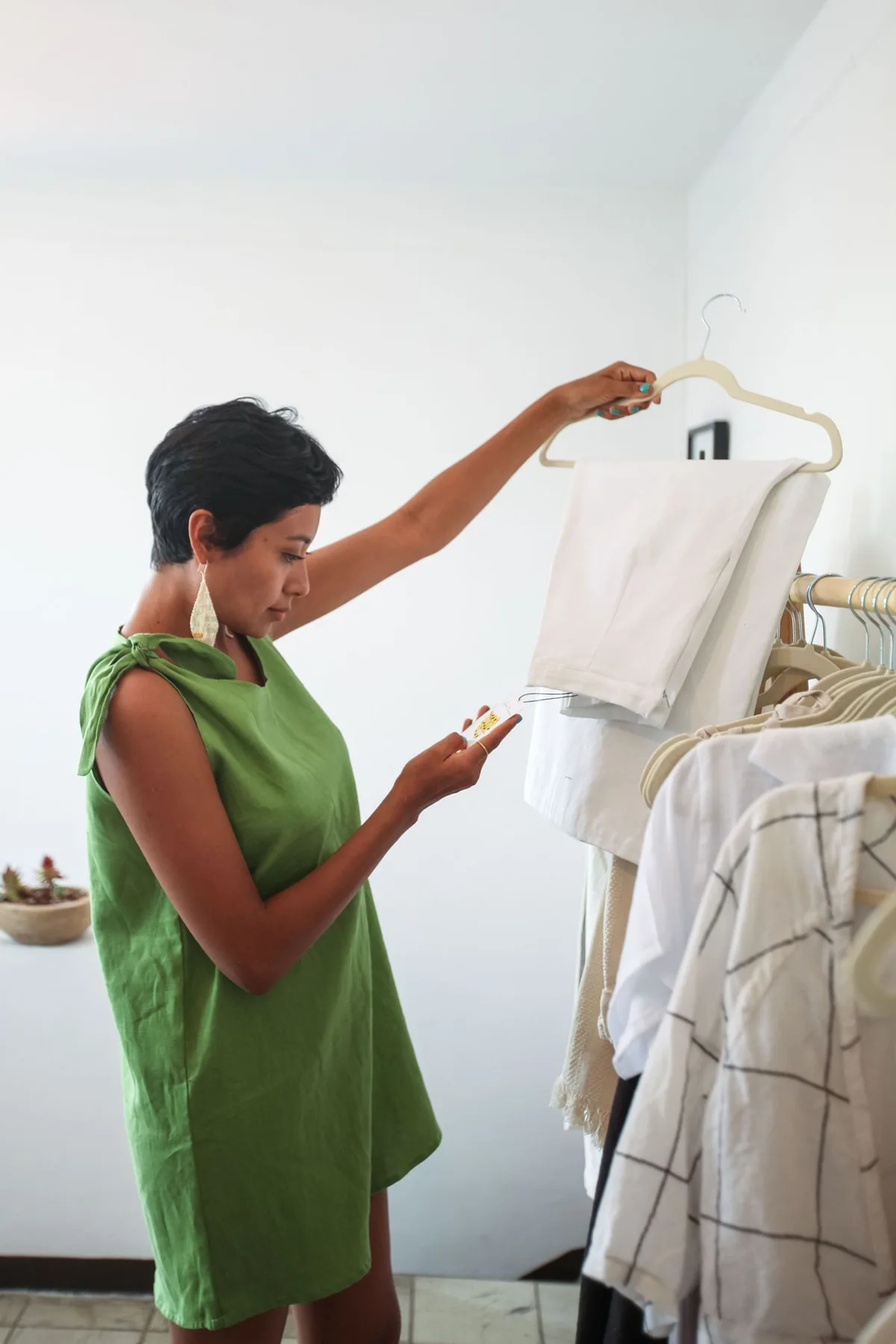
Use the product labels to identify the materials. A smooth appearance does not establish fibre content, and a soft touch does not tell you the full care routine. Keep each label connected to the garment it describes rather than remembering a blend from the shirt beside it.
Compare one visible quality at a time
Begin with the surface. Does one fabric reflect light while the other stays matte? Does a small weave remain visible at an ordinary distance? A subtle difference can change how the shirt works with trousers or a jacket you already own.
Then look at the way the garment falls. A crisp fabric may retain a clear outline, while a softer one settles closer to the body. Compare the same part, such as the sleeve or lower front, without stretching or crushing the fabric. Use fitting-room arrangements and the shop's handling rules respectfully.
Bring a retained outfit into the decision
Name the trousers, skirt or layer you expect to wear with the garment. Two similar colours can produce different results beside the same retained piece because their finishes differ. A glossy blouse might feel more deliberate with plain trousers, while a matte version may connect more quietly with textured knitwear.
If the item must work under an existing jacket, compare bulk and sleeve behaviour in that actual combination where practical. A promising standalone appearance cannot answer every layering question. Avoid treating the softer fabric as automatically more comfortable; construction and fit also matter.
Read the care difference before choosing
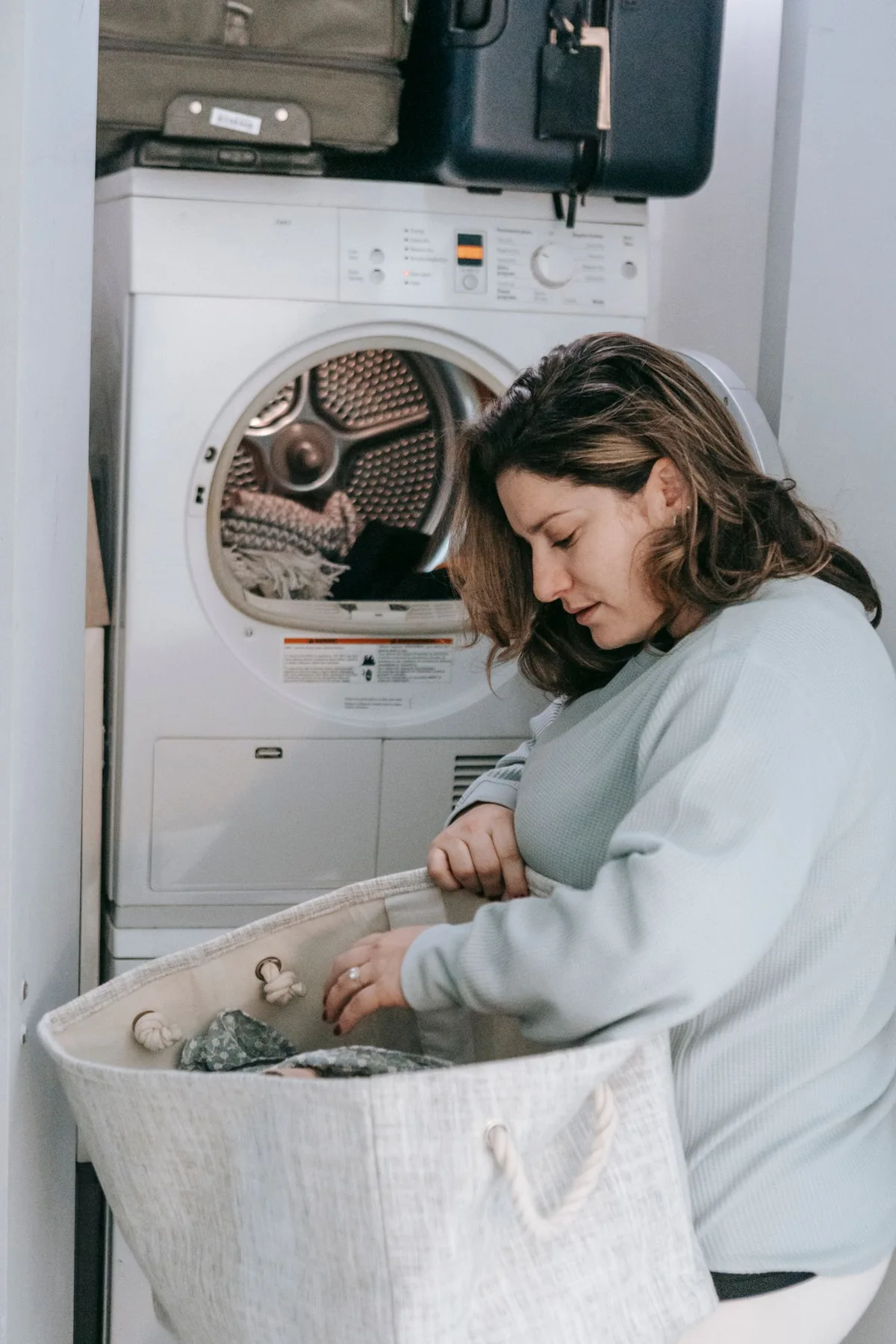
Check the actual instructions on both garments. One may suit the laundering facilities and drying space you already use, while the other requires a routine you rarely manage. That is a concrete ownership difference even if both look equally attractive in the shop.
If a label or size detail is unclear, ask before purchasing rather than inferring it from a neighbouring item. Record the exact product identity if you want to think at home. A quick note should distinguish the two candidates instead of calling both “the pale shirt.”
When the comparison remains close, choose the garment that adds a clear role to your wardrobe. If neither does more than duplicate an item you already reach for, pause. Side-by-side inspection is useful because it reveals both meaningful differences and occasions when another purchase does not improve an existing outfit.
Related reading
Read the Care Label Before You Buy the Clothes, Choose Between Two Colors of the Same Garment.
Read how we put our guides together, or flag a correction at [email protected].