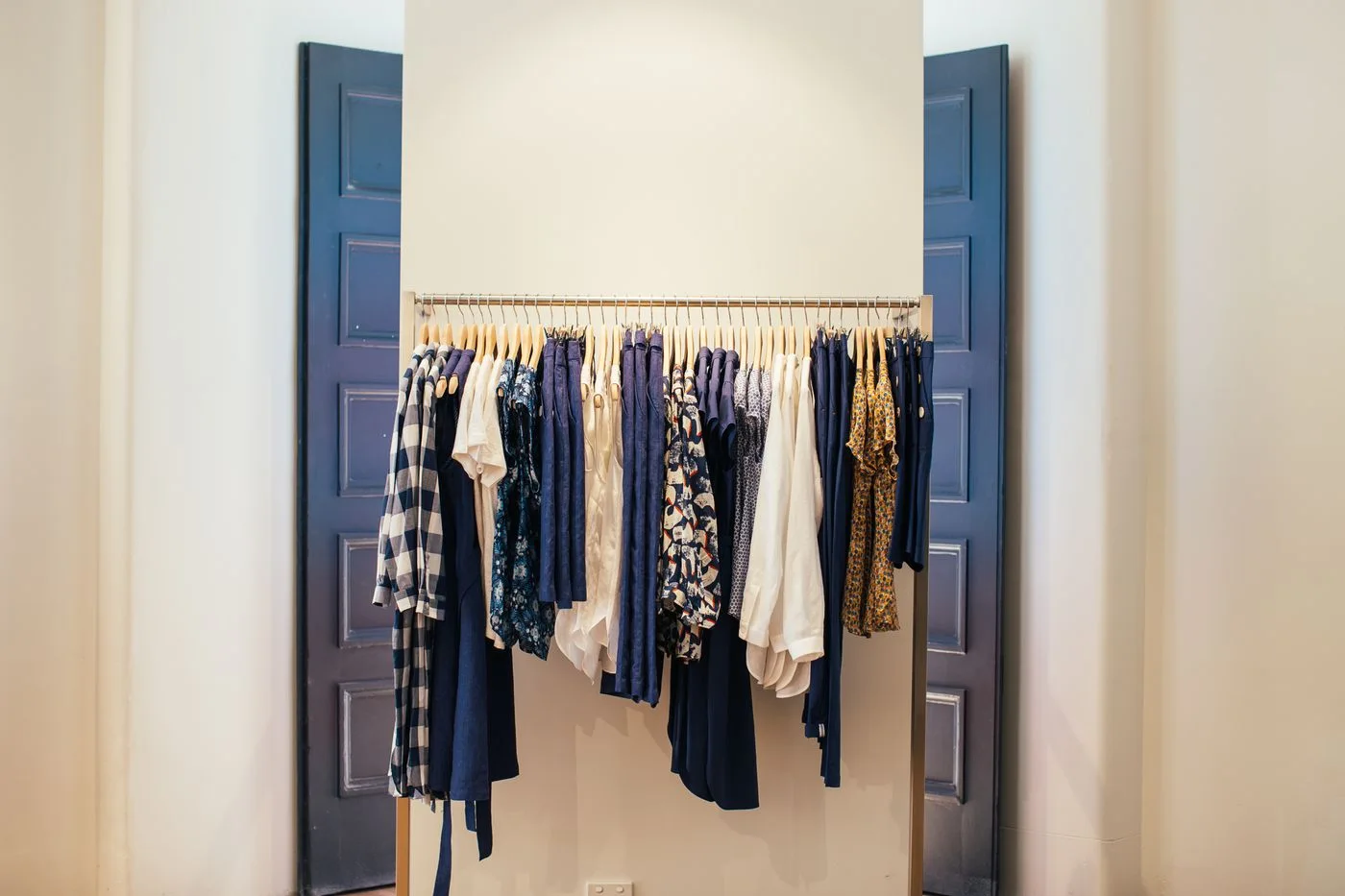
Wardrobe
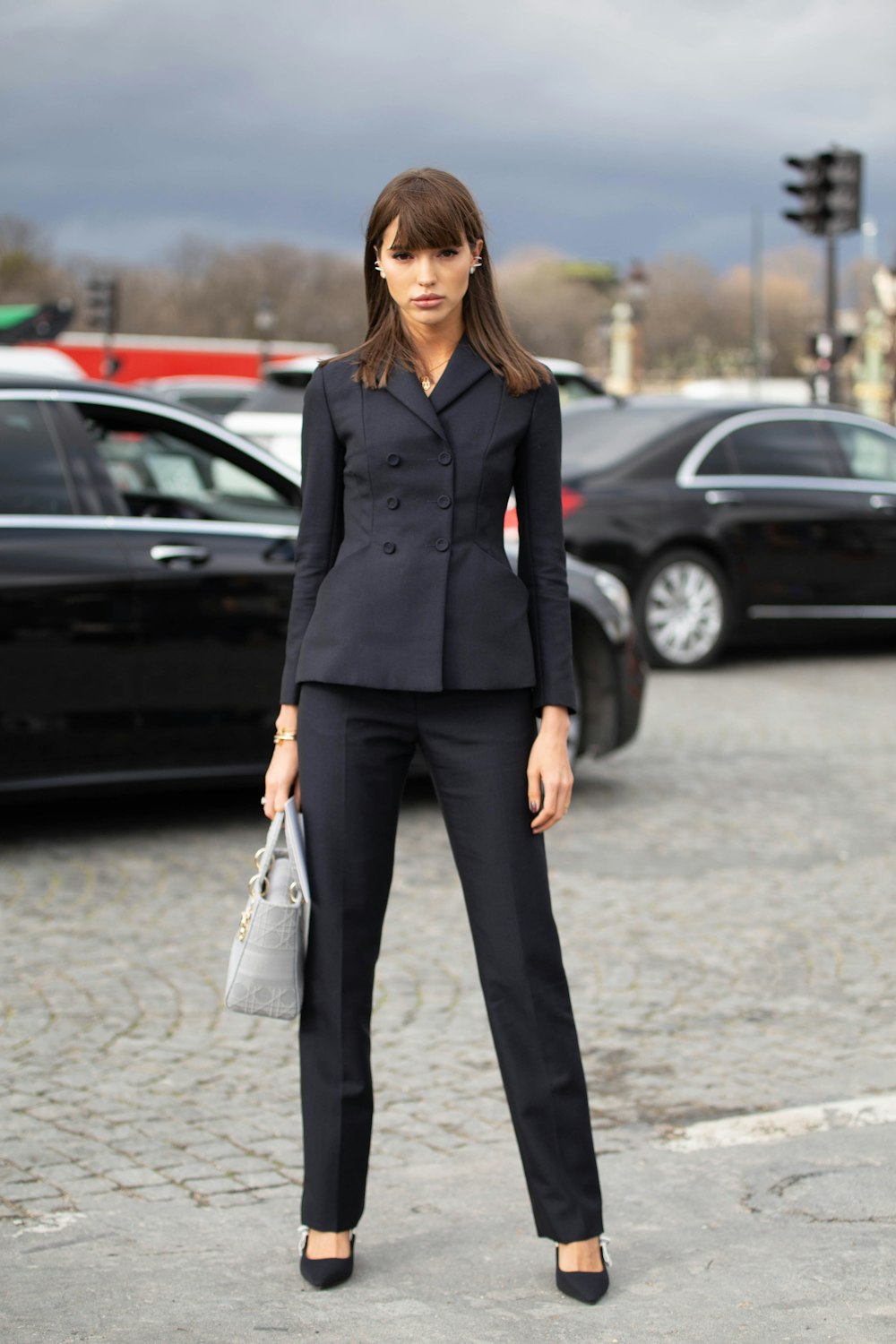
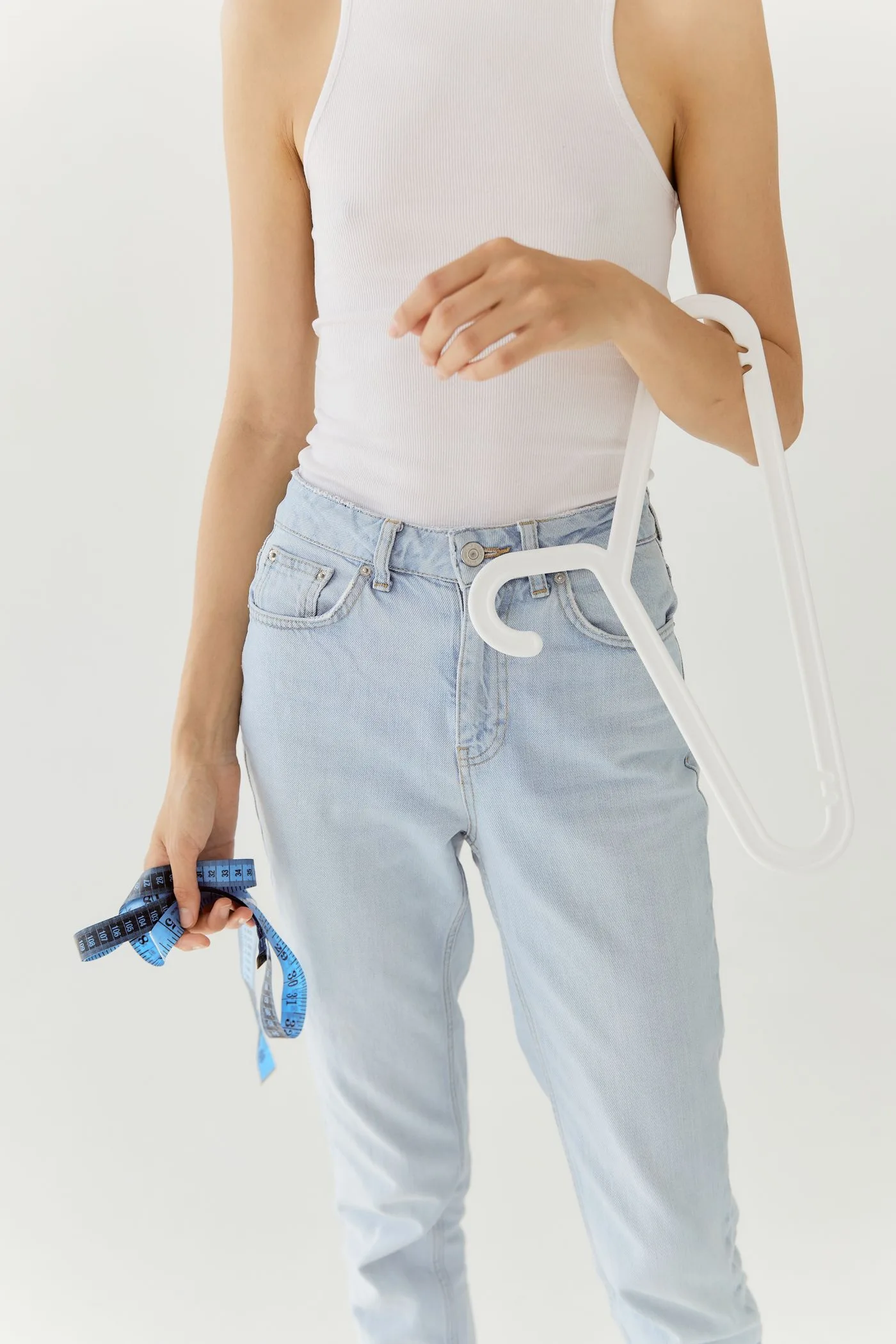
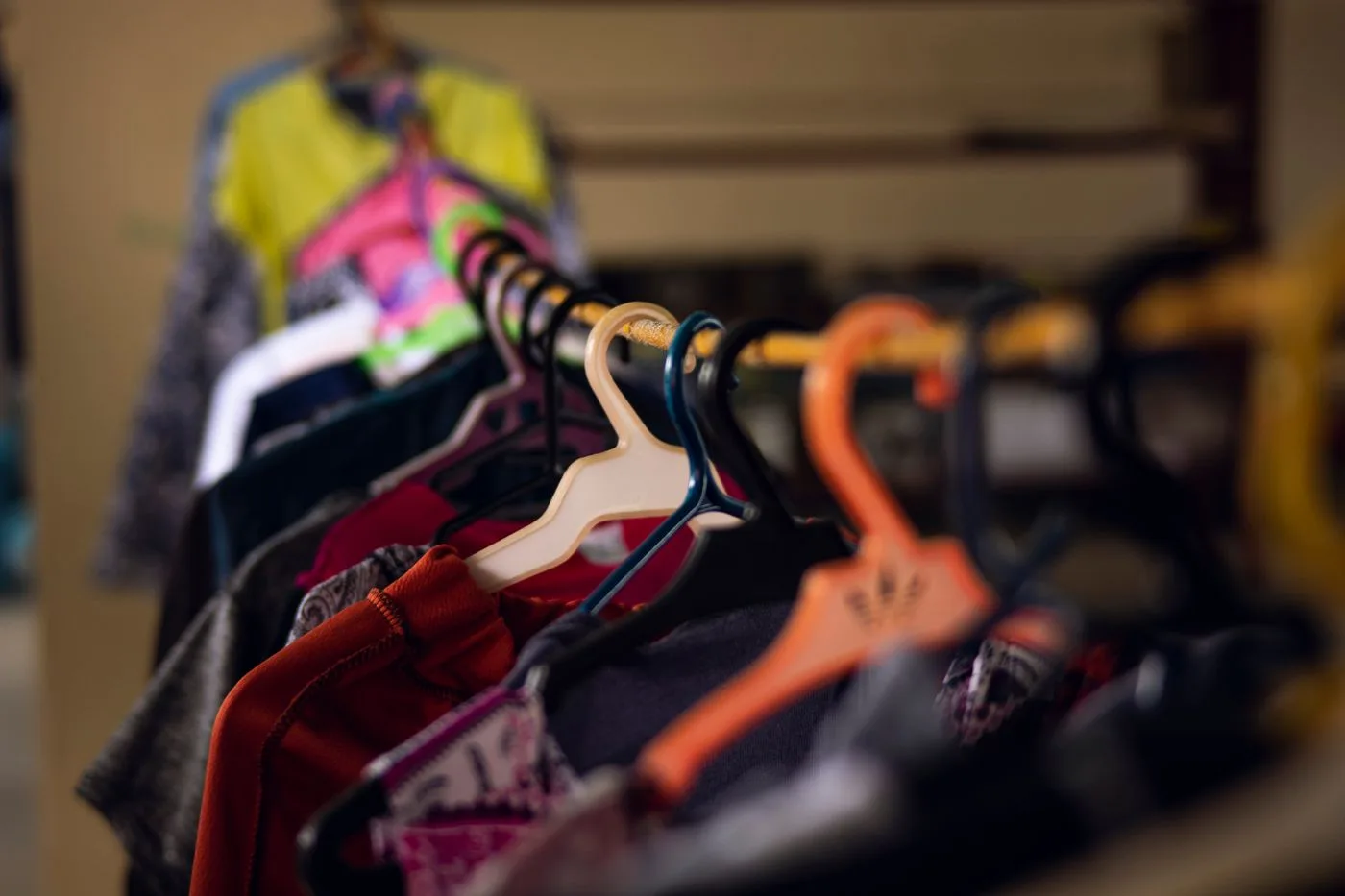
Build a Short-Trip Outfit Rail Before Packing the Bag
Test complete clothing combinations for the actual plans, then pack the suitable pieces that earn their place.
Read the guide ↗
Look for an outfit idea, a wardrobe question or a beauty and lifestyle guide.
130 guides
Test complete clothing combinations for the actual plans, then pack the suitable pieces that earn their place.
Read the guide ↗A considered look at Ethika Electric Jungle and Ink Reign, with official product photography and everyday styling ideas.
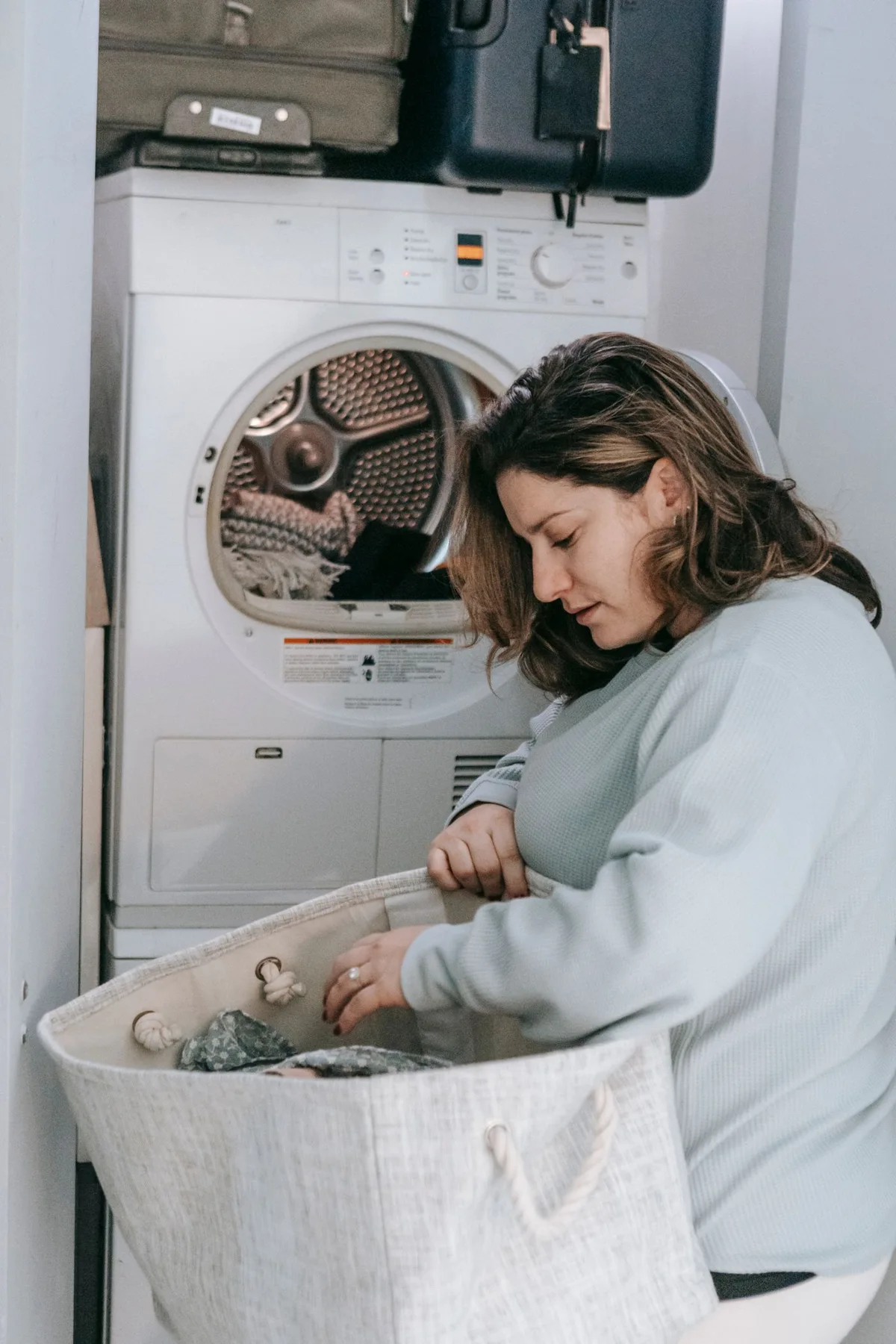
Read the guide ↗Plan ordinary dressing around the actual care cycle instead of treating every unavailable piece as a shopping gap.
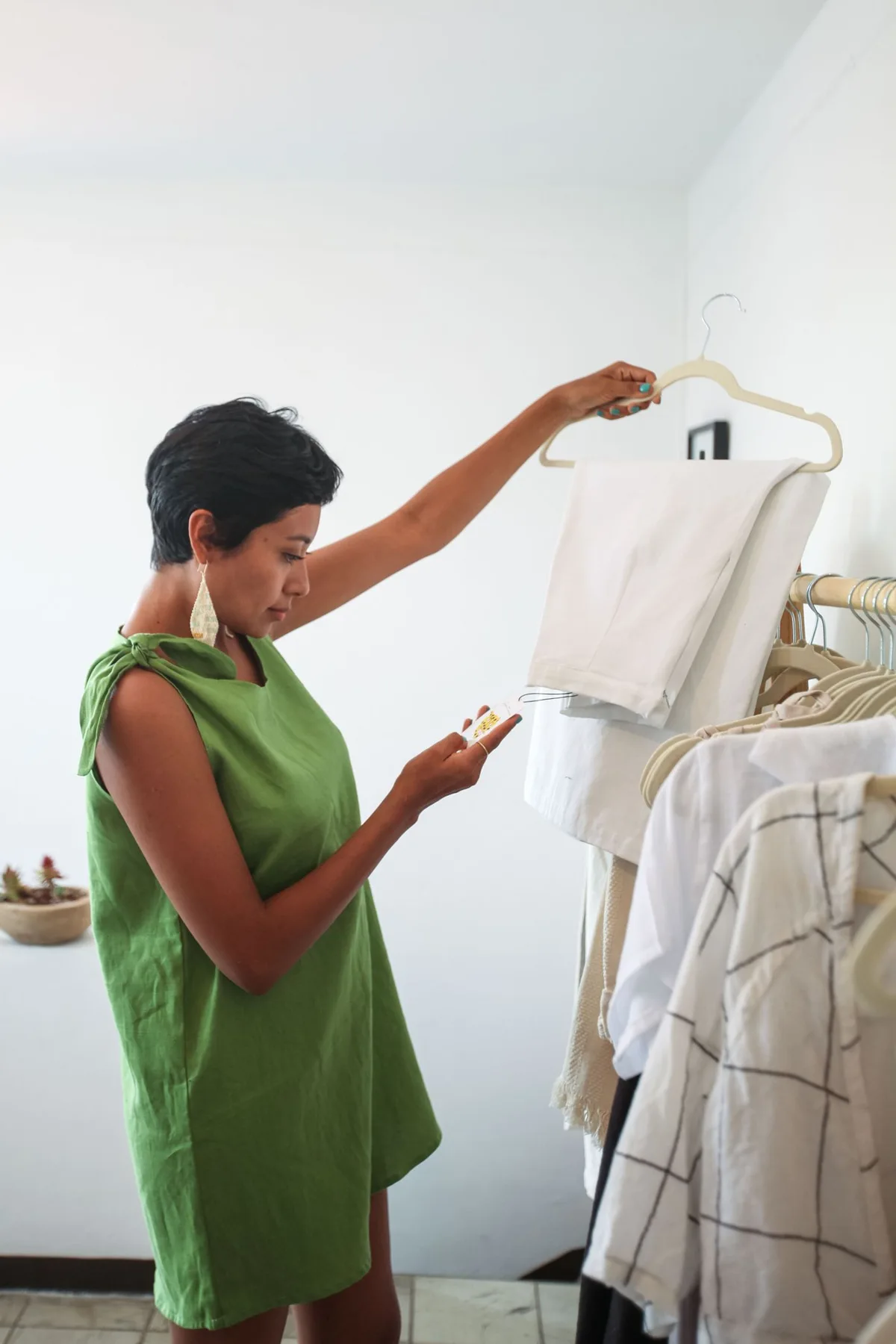
Read the guide ↗Record the specific fit or care issue so the next shopping trip does not repeat the same uncertainty.
Read the guide ↗Explore Ethika women’s essentials and Electric Jungle coordinating pieces with a practical fit and shopping checklist.
Read the guide ↗Assess fabric appearance, layers and seated use under ordinary lighting before deciding.
Read the guide ↗Organize the active rail around garment shape, suitable support and the return after wear.
Read the guide ↗Assess the standing and seated combination before buying a knit to match an imagined outfit.
Read the guide ↗Choose a comfortable scarf arrangement around the actual neckline, bag strap and indoor transition.
Read the guide ↗Check access, comfortable movement and fastening before choosing a bag for layered outfits.
Read the guide ↗Change the practical layers and small details while keeping a comfortable familiar dress central.
Read the guide ↗Compare fit, existing outfit partners and care before a second color becomes an automatic purchase.
Read the guide ↗Check the indoor version of a layered work or dinner outfit before relying on the jacket for its whole appearance.
Read the guide ↗Plan the full care route for sweaters, shirts and other regular layers before starting a load.
Read the guide ↗Check access, closure and comfort without turning pockets into a substitute for every bag.
Read the guide ↗Check fit, outfit use and the place a hat will go when it comes off.
Read the guide ↗Check sleeves, neckline, waist and hem with a suitable chair before choosing an event outfit.
Read the guide ↗Use existing pieces to test color balance without buying a matching accessory collection.
Read the guide ↗Compare hems, seated comfort and sleeve bulk in a complete layered outfit.
Read the guide ↗Compare the full outfit while standing, sitting and moving before changing a jeans hem.
Read the guide ↗Try a simple sleeve arrangement with your actual cuffs, fabric and daily tasks.
Read the guide ↗Check sleeve movement, cuffs and bag straps before deciding that a coat fits.
Read the guide ↗Use the outfit you wear shopping to make clearer clothing decisions.
Read the guide ↗Identify useful clothes, repair opportunities and genuine gaps before buying more.
Read the guide ↗Choose an everyday coat by movement, layering and weather needs before styling details.
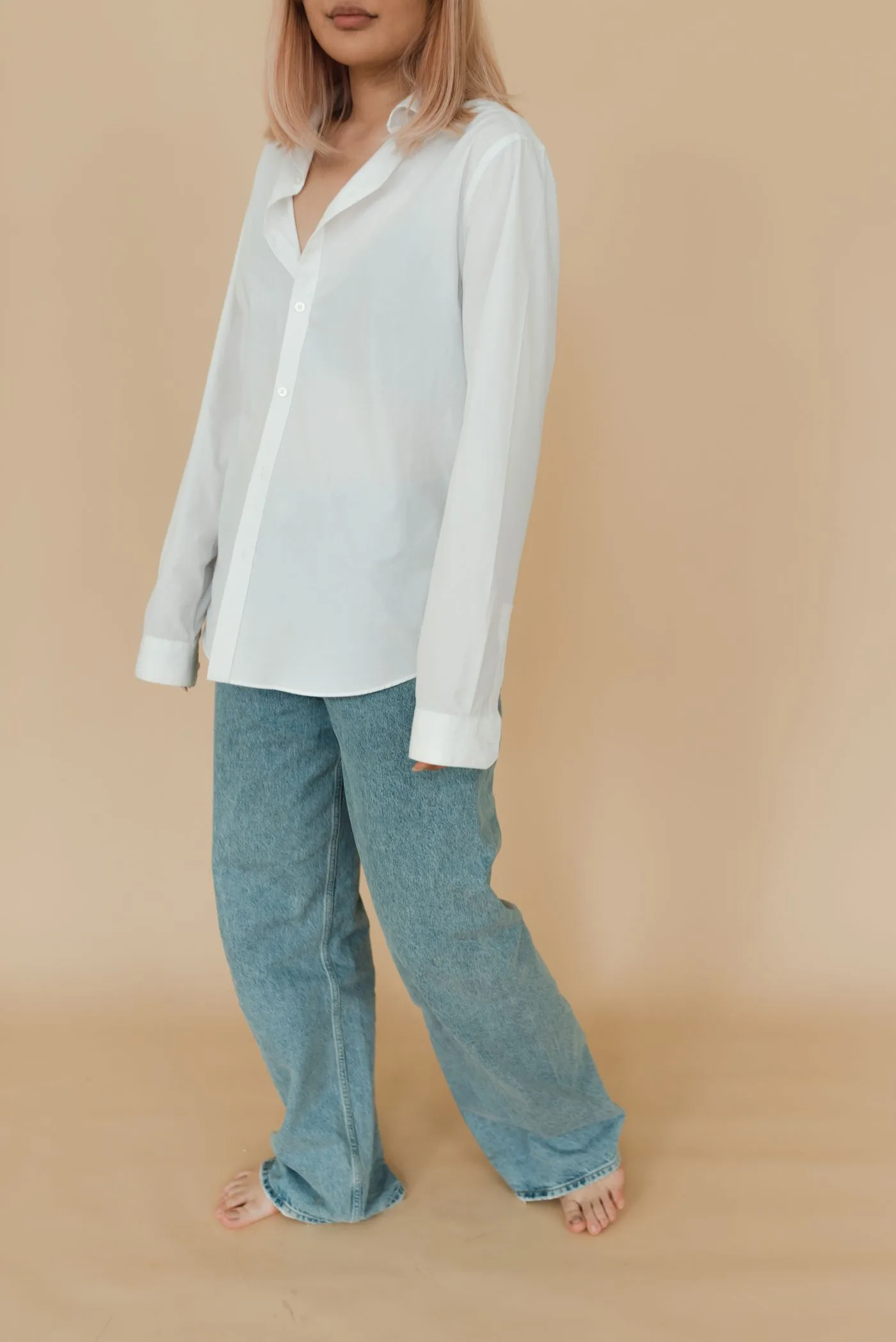
Read the guide ↗Make a relaxed shirt useful with denim, easy trousers and simple layered outfits.
Read the guide ↗A calmer way to compare skincare packaging, ingredient information, product sizes and the claims competing for your attention.
Read the guide ↗Find gaps and duplication in your coats before buying another layer.
Read the guide ↗Make a distinctive coat useful for everyday dressing by simplifying what goes underneath.
Read the guide ↗Make more of a small makeup collection through colour choices, finish and occasion rather than adding another palette.
Read the guide ↗Evaluate a co-ordinated outfit as two separate purchases as well as one complete look.
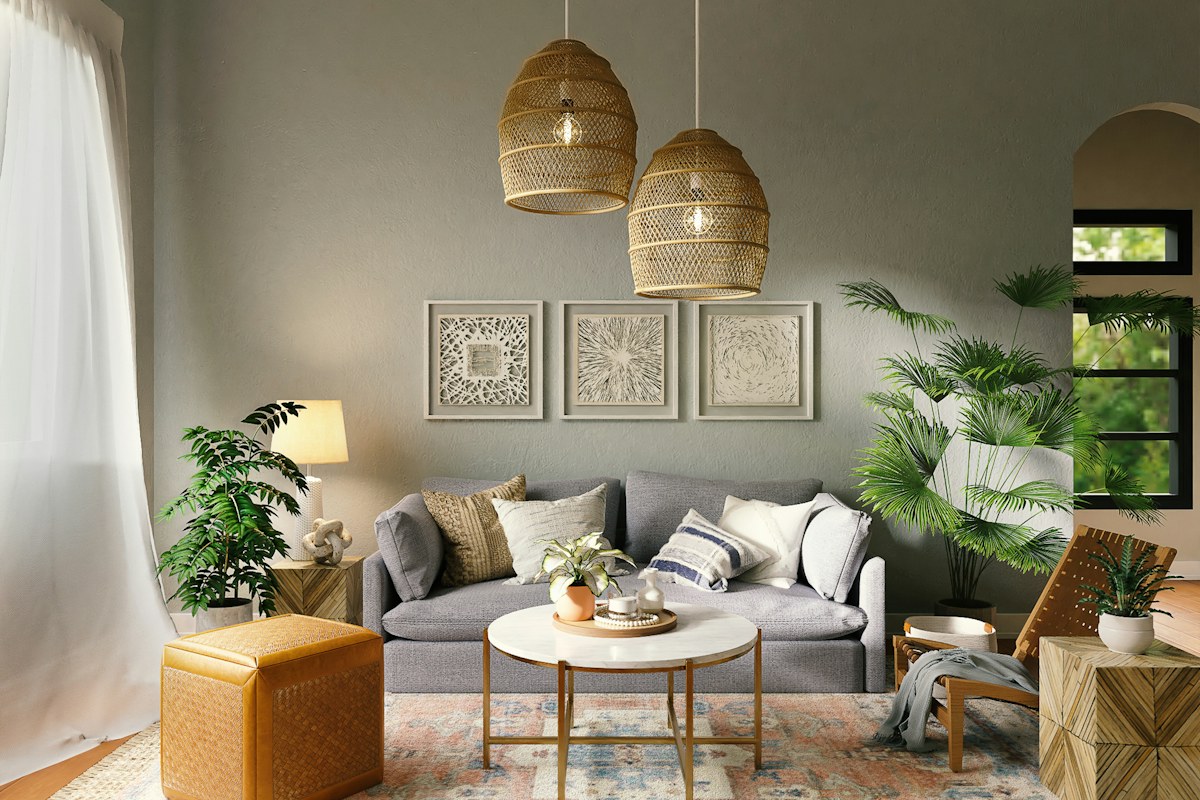
Read the guide ↗Plan lamps, cushions and curtains around the way you use the room before buying decorative extras.
Read the guide ↗Refresh a familiar T-shirt-and-jeans outfit through fit, texture and useful details.
Read the guide ↗Evaluate rise, waistband, fabric and movement when choosing everyday trousers.
Read the guide ↗Use shape, colour and a deliberate shoe choice to style a casual sweatshirt.
Read the guide ↗Include washing, drying and storage in a clothing purchase decision.
Read the guide ↗Choose a workable group of outfits around your week, not an arbitrary item limit.
Read the guide ↗Create a practical breakfast area by arranging everyday items before buying storage or furniture.
Read the guide ↗Build a useful everyday makeup edit around your actual routine, with practical choices on texture, tools and spending.
Read the guide ↗Use a practical wish list, wardrobe checks and a realistic budget to make everyday purchases more deliberate.
Read the guide ↗Choose coffee equipment around your daily routine, available space and realistic budget.
Read the guide ↗Edit a crowded beauty shelf with clearer categories, sensible replacement habits and packaging that suits daily use.
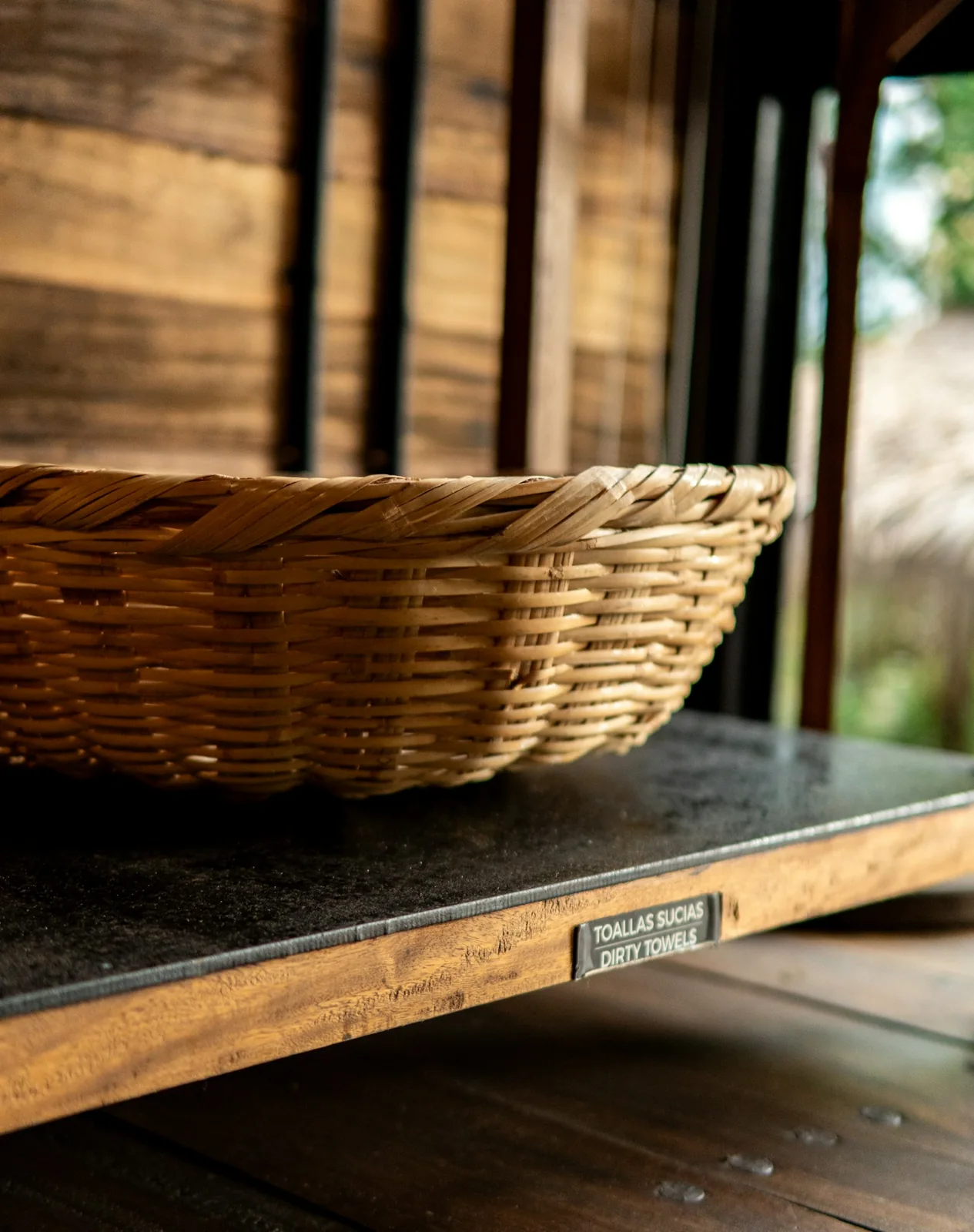
Read the guide ↗A basket can look orderly from the front of a shelf while making its contents difficult to identify from the position of the actual user.
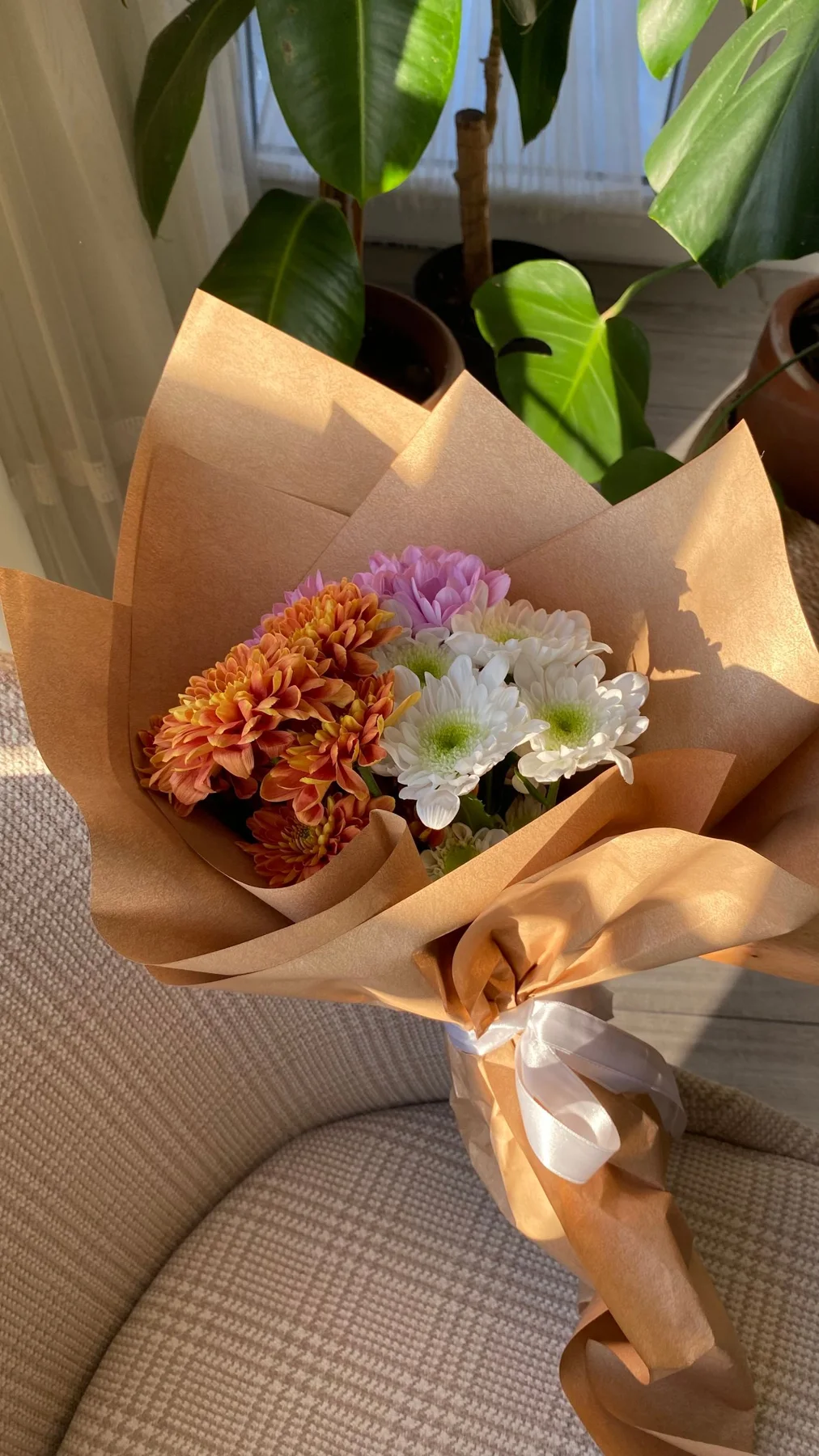
Read the guide ↗A bouquet can be a thoughtful gift while creating an immediate practical task for the recipient.
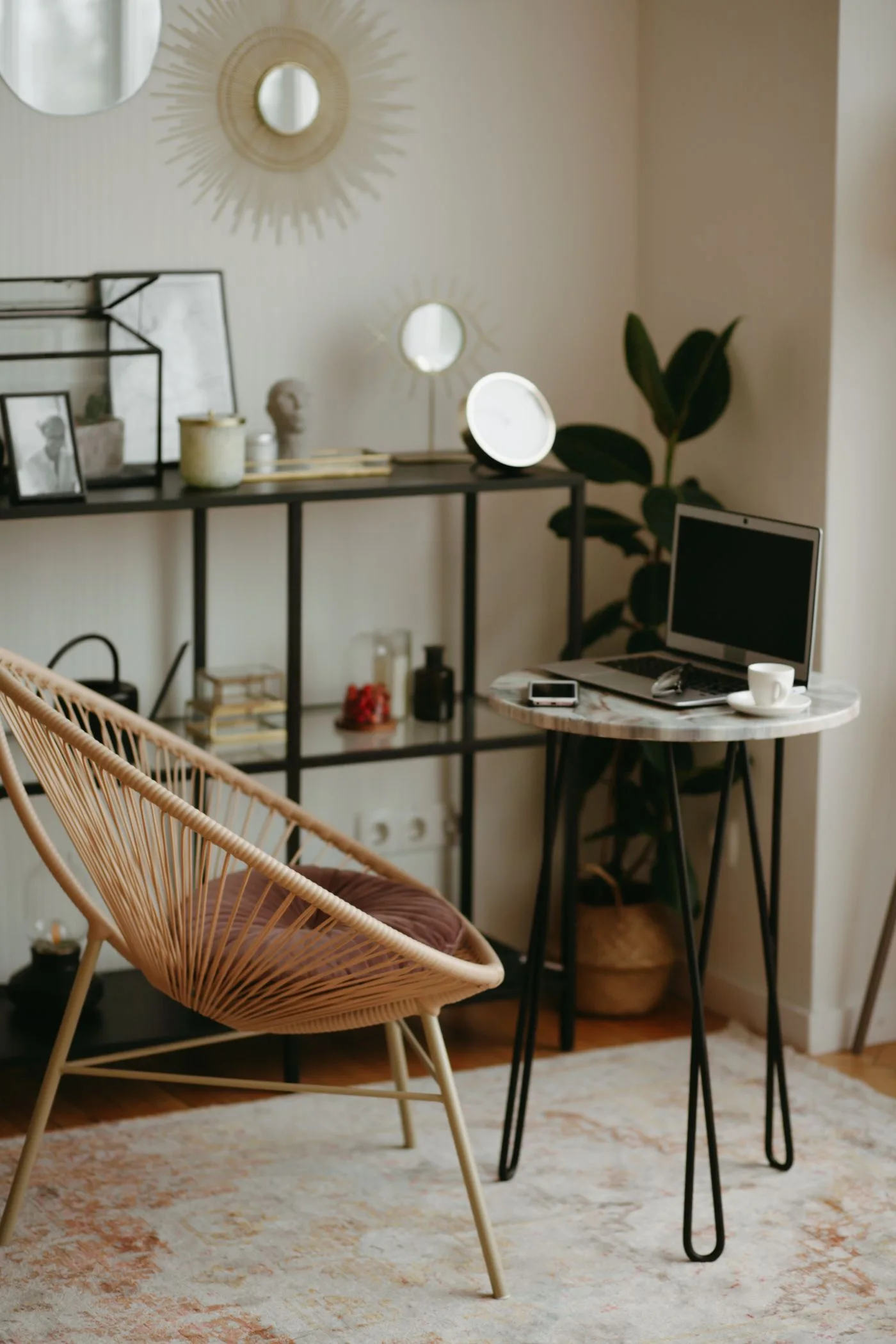
Read the guide ↗A home desk can remain covered because the session ended without a clear next state.
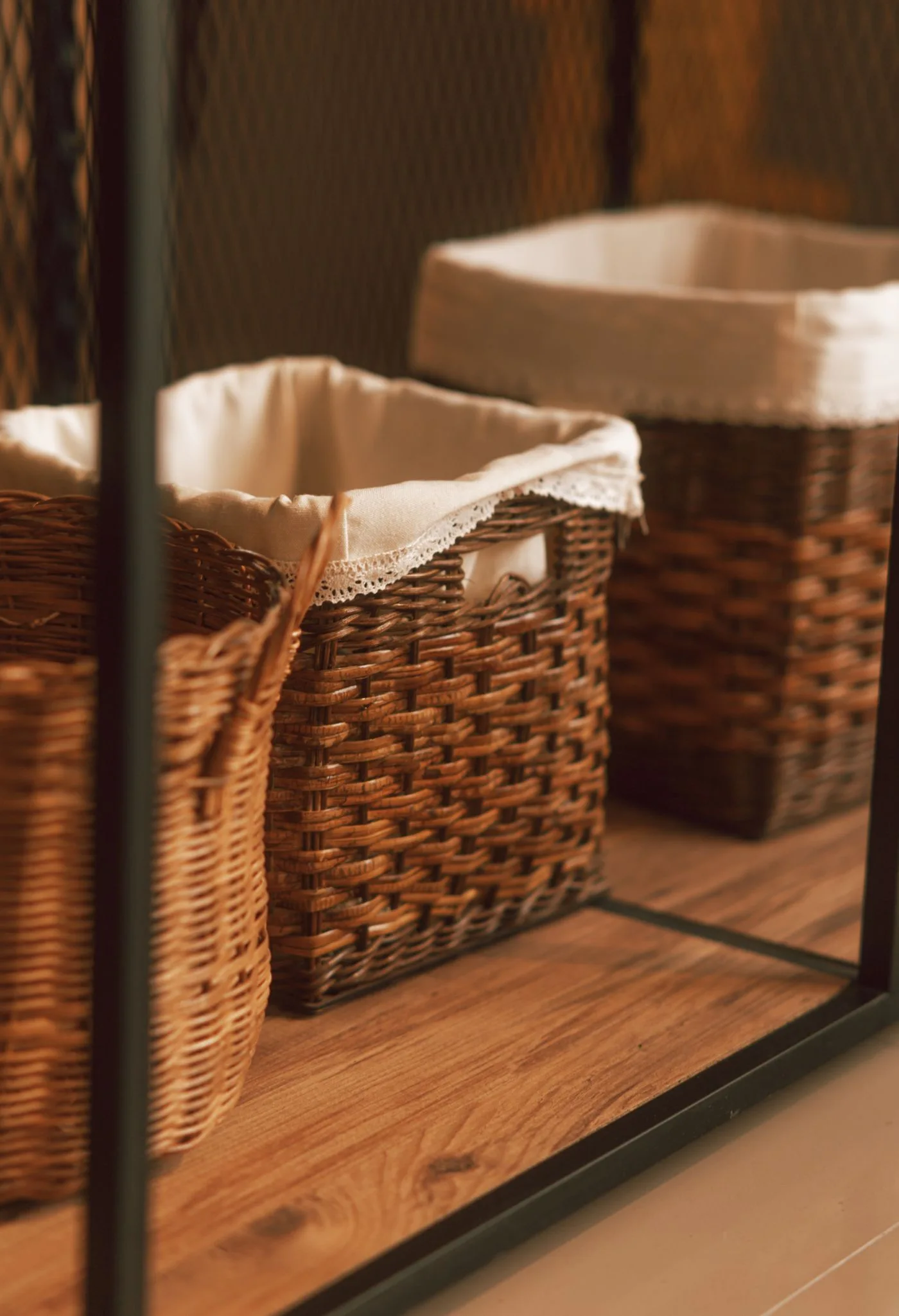
Read the guide ↗A fabric-lined basket can look finished while its lining makes the actual contents harder to identify or retrieve.
Read the guide ↗A personal writing session away from home can be a letter, a private notebook entry or another small project you genuinely want to begin.
Read the guide ↗A stationery drawer can contain several spare refills that look promising but belong to no identifiable pen or notebook in current use.
Read the guide ↗A personal reading queue can help choose the next book, but a large pile can turn that choice into another unfinished task.
Read the guide ↗A side surface beside a reading chair can be useful when its contents are clear.
Read the guide ↗A table can be set with retained pieces that do not belong to one matching collection.
Read the guide ↗A recipe book can be pleasant to browse while becoming awkward during preparation when the working page keeps disappearing.
Read the guide ↗A kitchen stool can appear compact when tucked beneath a counter while occupying considerably more room when someone uses it.
Read the guide ↗A kitchen counter can hold equipment used every day alongside objects left there during an unfinished task.
Read the guide ↗A drawer divider can look useful before the household knows what it is supposed to separate.
Read the guide ↗A framed picture can look attractive alone while creating a different relationship with the furniture and objects already at home.
Read the guide ↗A planned picnic can move indoors when the original setting no longer suits the day.
Read the guide ↗A kitchen cupboard can hold several lids that appear interchangeable until cooking begins.
Read the guide ↗An occasional chair can enter a room because a corner looks empty, then become a permanent landing place for unrelated objects.
Read the guide ↗An appliance instruction drawer can contain several similar booklets while the one needed for a current kitchen tool remains difficult to find.
Read the guide ↗A cushion's listed size means little without the sofa it will occupy.
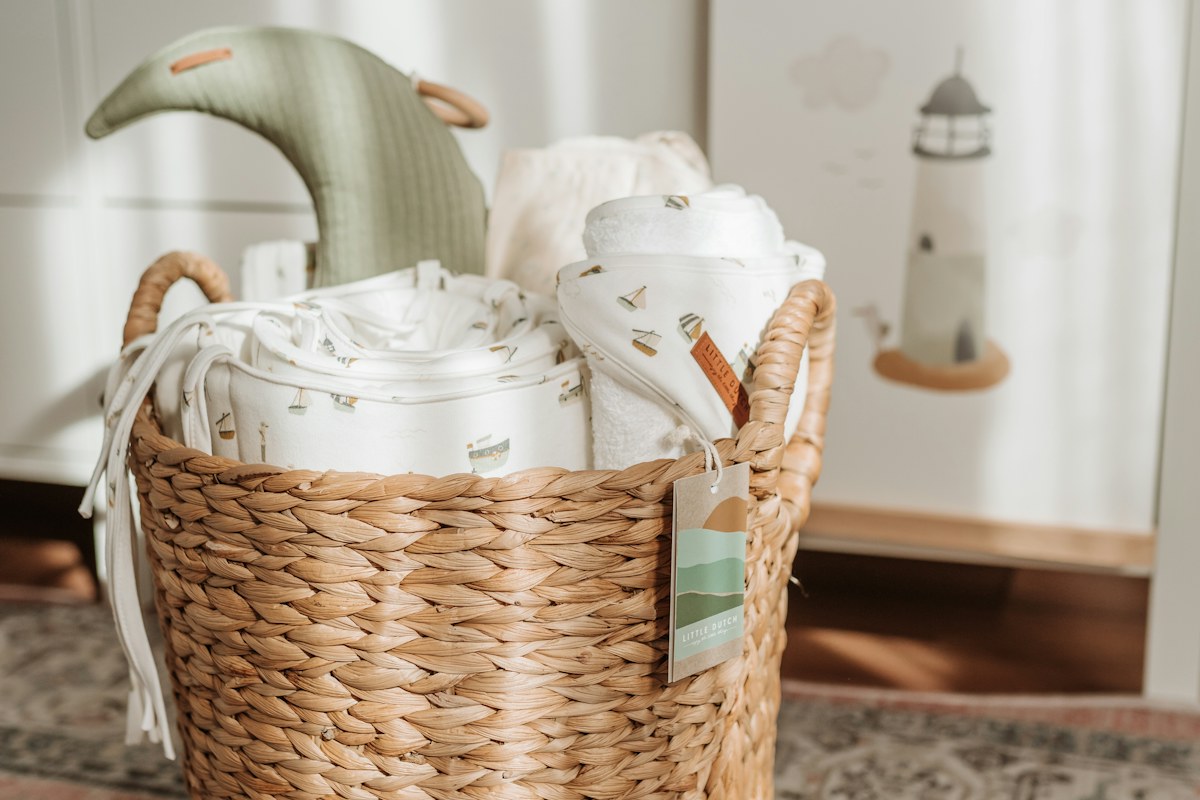
Read the guide ↗Rolled textiles can look attractive in a basket, but a photograph does not establish that rolling is the best arrangement for every household item.
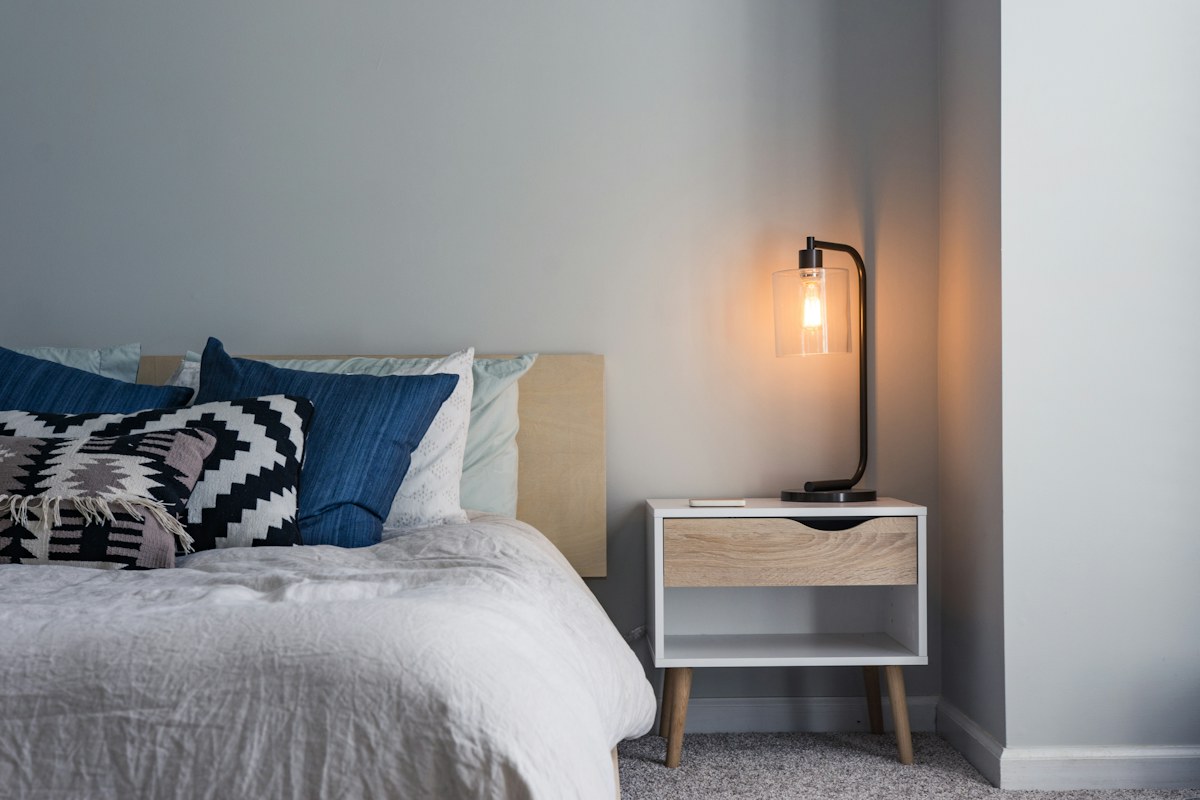
Read the guide ↗A bedside surface can become a collection of objects that each arrived for a different reason.
Read the guide ↗A parcel, basket or temporary household object can settle beside an interior door because the corner looks unused.
Read the guide ↗A living room can contain several stacks of books while the one currently being read keeps disappearing beneath other objects.
Read the guide ↗Household textiles can look neatly folded while still awaiting a care decision.
Read the guide ↗A bedside table can fit between a bed and wall while its drawer is difficult to use.
Read the guide ↗A dining chair chosen separately can look suitable until its arms, seat or base meets the table already at home.
Read the guide ↗A laundry basket can fit neatly beside a bed and still be inconvenient when it has to reach the care area.
Read the guide ↗Give a Household Planner Note a Clear End Point. Practical checks for retained clothes, everyday products and ordinary home life.
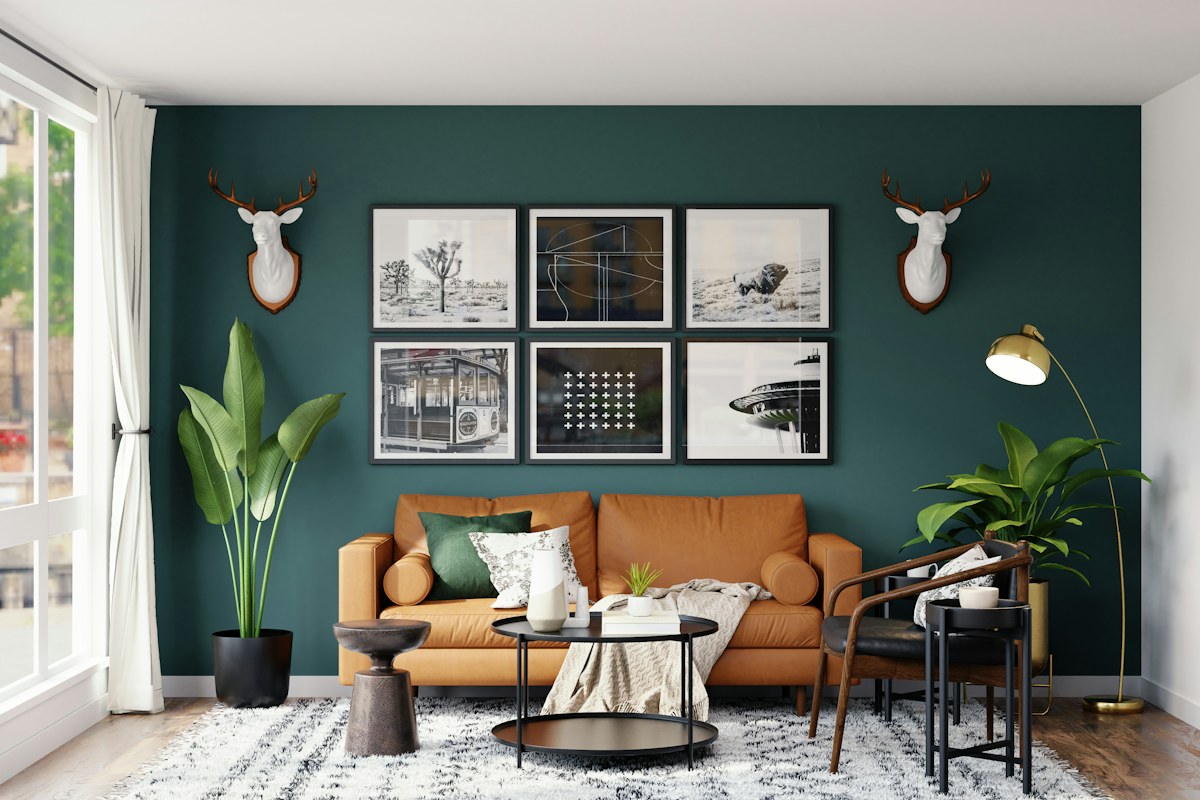
Read the guide ↗Use a Retained Room Photo Before Changing a Green-Wall Corner. Practical checks for retained clothes, everyday products and ordinary home life.
Read the guide ↗Choose Dinner Glassware Around the Actual Table Space. Practical checks for retained clothes, everyday products and ordinary home life.
Read the guide ↗Keep Makeup Shade Names Linked to the Actual Product. Practical checks for retained clothes, everyday products and ordinary home life.
Read the guide ↗Keep a Personal Product Group Clear Beside the Beauty Mirror. Practical checks for retained clothes, everyday products and ordinary home life.
Read the guide ↗Keep a Useful Pair Record Before Changing Shoe Storage. Practical checks for retained clothes, everyday products and ordinary home life.
Read the guide ↗Keep Similar Shirt Colours Clear on the Wardrobe Rail. Practical checks for retained clothes, everyday products and ordinary home life.
Read the guide ↗Keep a Fitting Note Linked to the Actual Jeans. Practical checks for retained clothes, everyday products and ordinary home life.
Read the guide ↗Make a Clothing Rail’s Return State Clear. Practical checks for retained clothes, everyday products and ordinary home life.
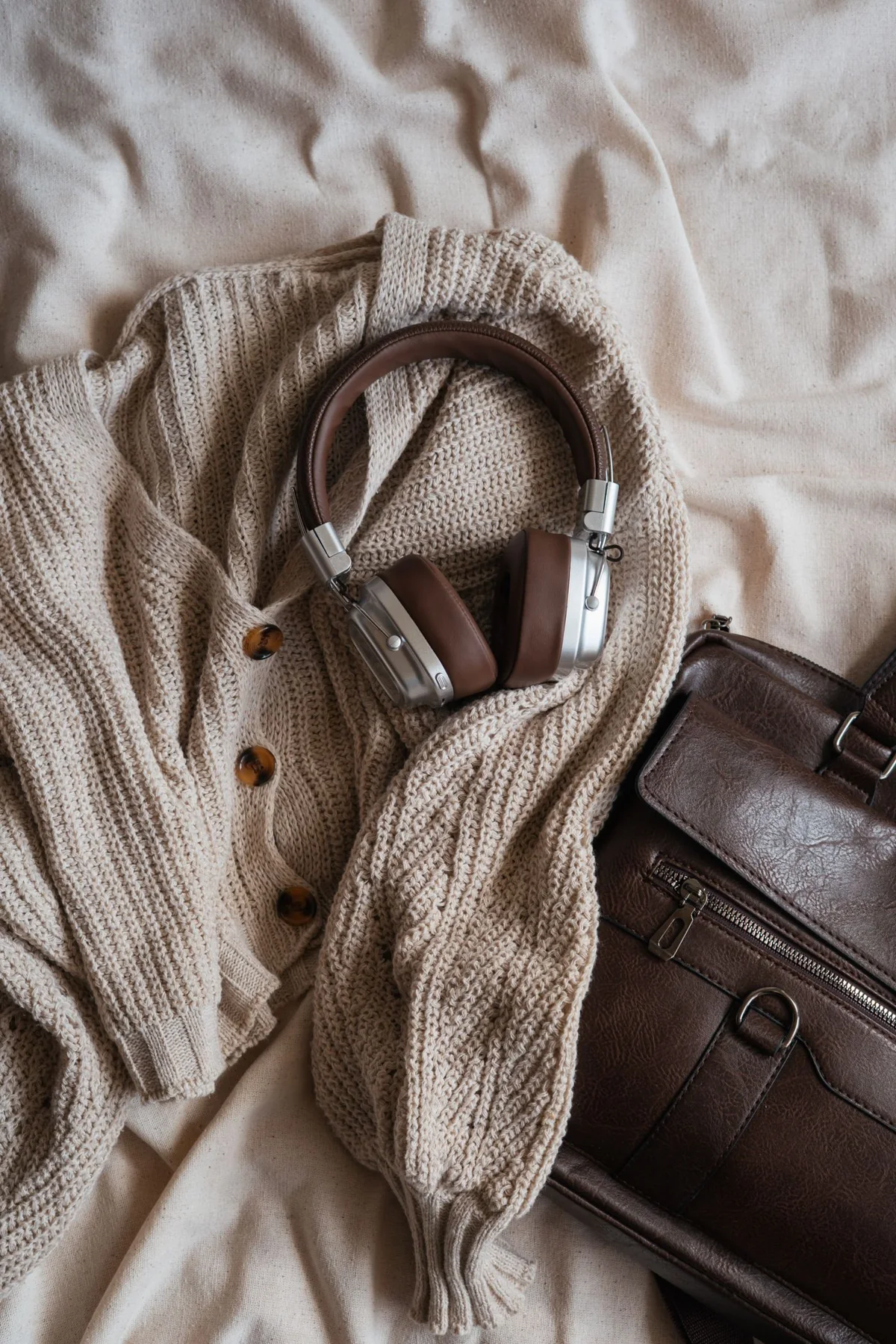
Read the guide ↗Keep Knitwear and Hard Accessories in Suitable Separate Storage. Practical checks for retained clothes, everyday products and ordinary home life.
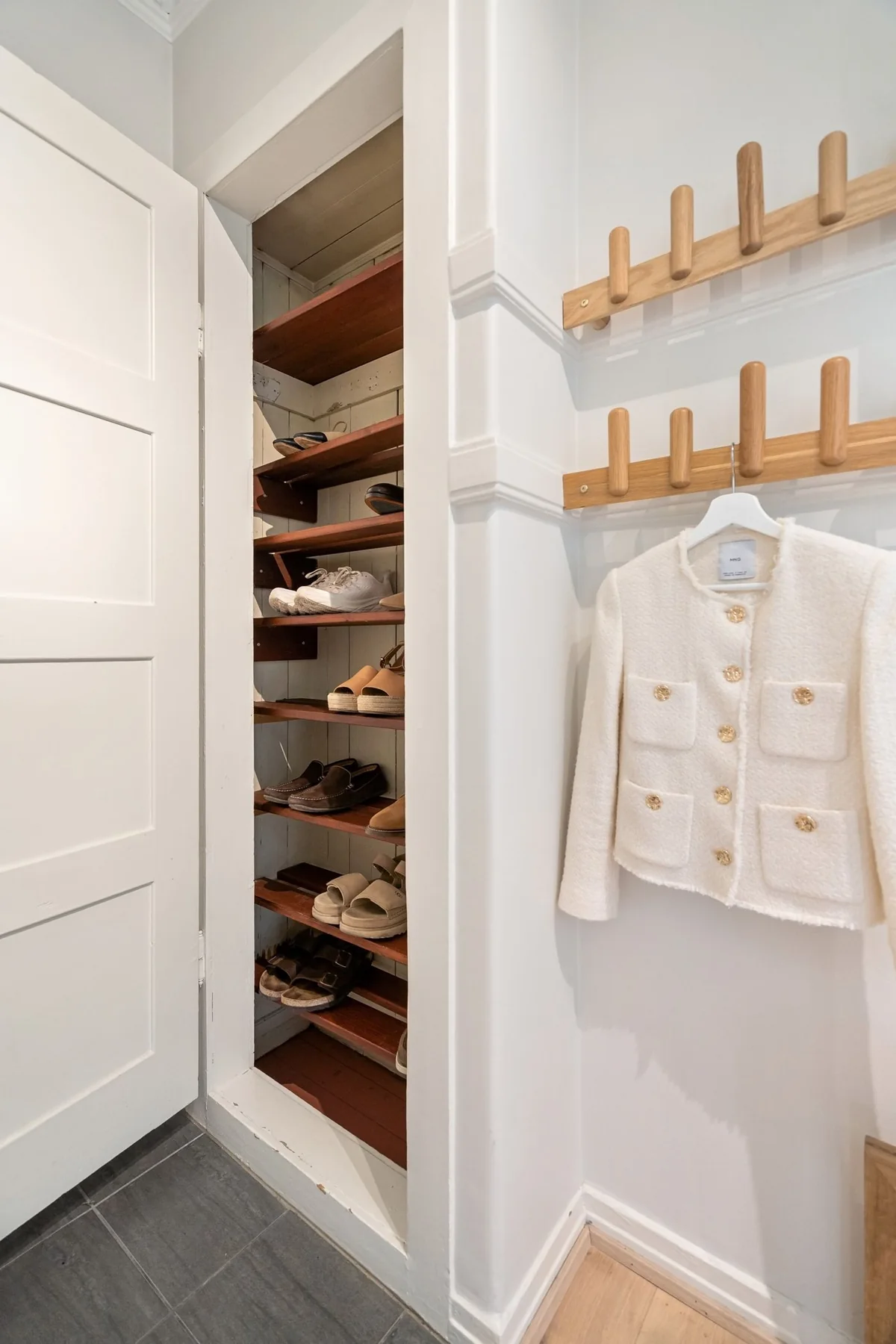
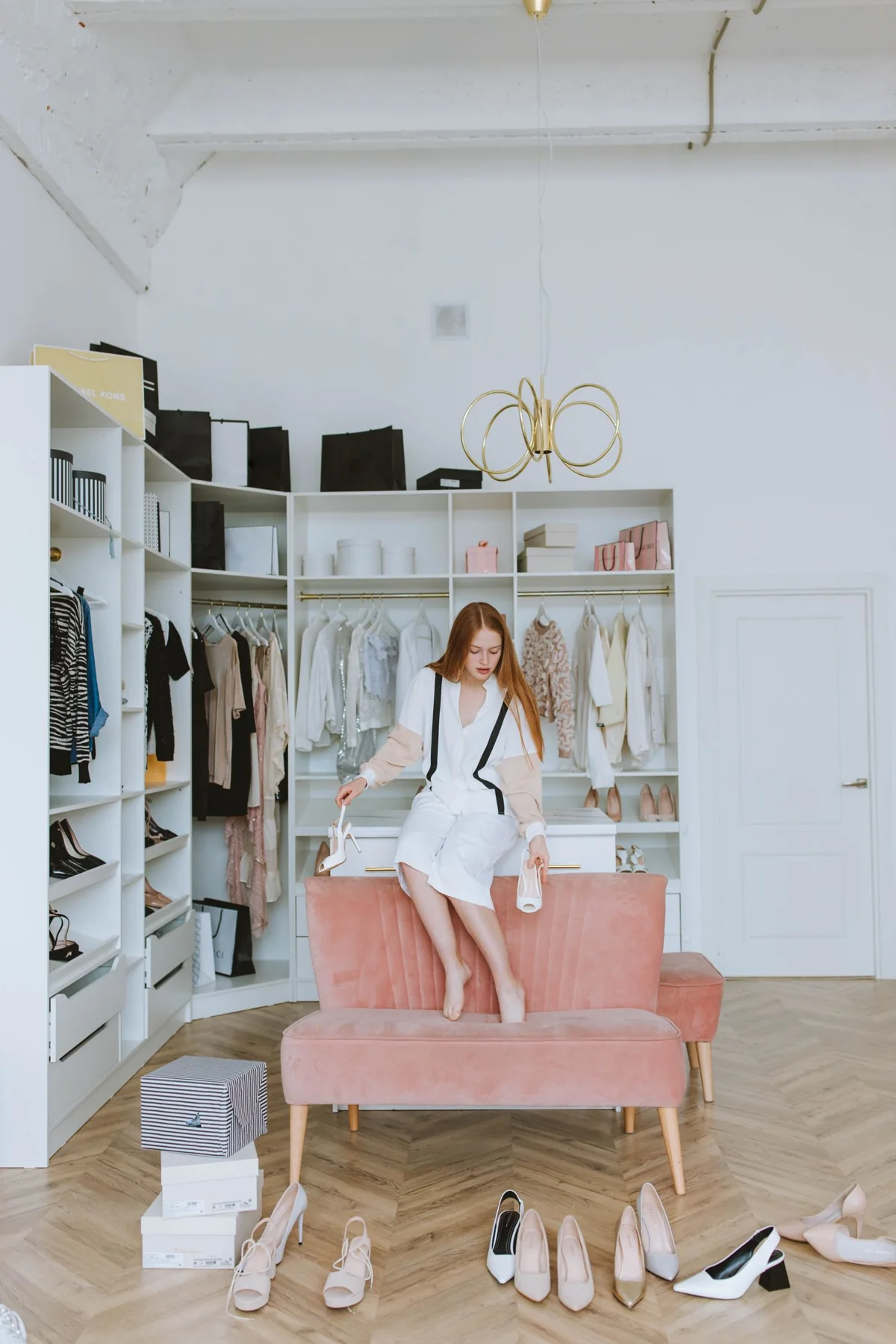
Read the guide ↗Assign a Current Role to the Wardrobe’s Shoe Row. Practical checks for retained clothes, everyday products and ordinary home life.
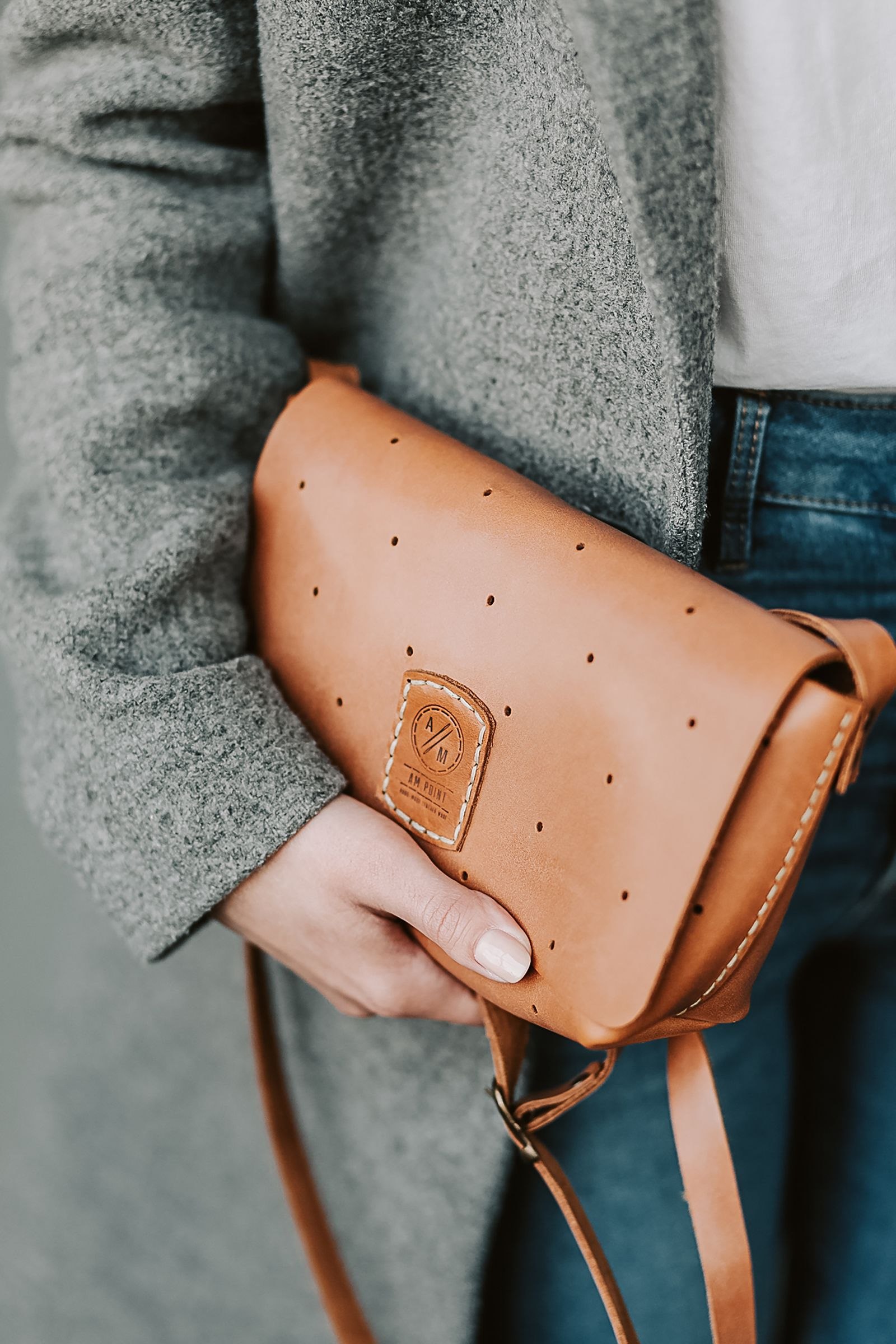
Read the guide ↗Keep a Tan Bag and Grey Coat Contrast Deliberate. Practical checks for retained clothes, everyday products and ordinary home life.
Read the guide ↗Try a Textured Jacket Around the Dress Neckline. Practical checks for retained clothes, everyday products and ordinary home life.
Read the guide ↗Choose the Boot Colour Role With a Printed Dress. Practical checks for retained clothes, everyday products and ordinary home life.
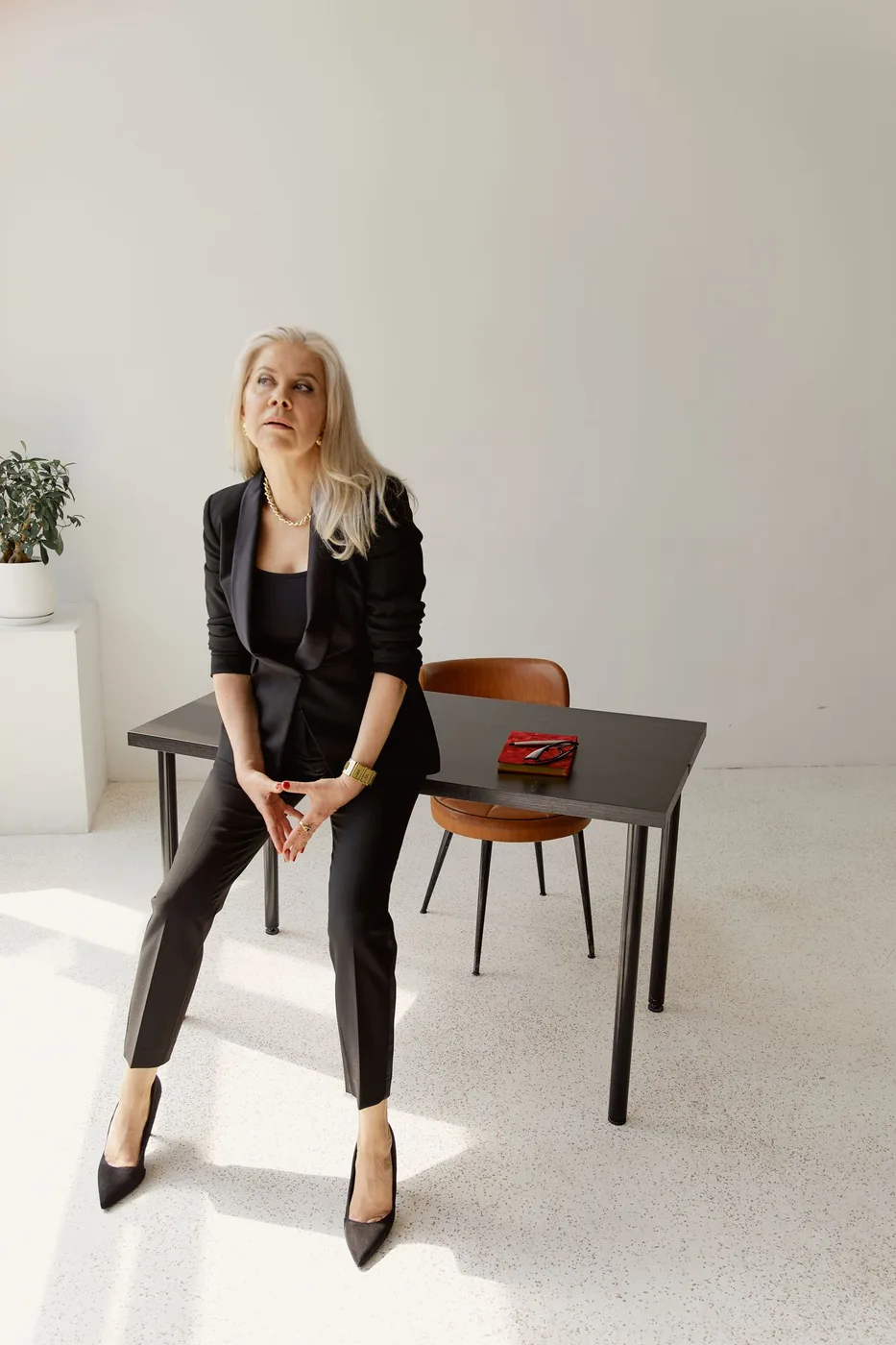
Read the guide ↗Check a Black Jacket’s Length With the Seated Trousers. Practical checks for retained clothes, everyday products and ordinary home life.
Read the guide ↗Compare a White Dress With the Retained Plain Layer. Practical checks for retained clothes, everyday products and ordinary home life.
Read the guide ↗Look at a Long Coat’s Front Outline When Fastened. Practical checks for retained clothes, everyday products and ordinary home life.
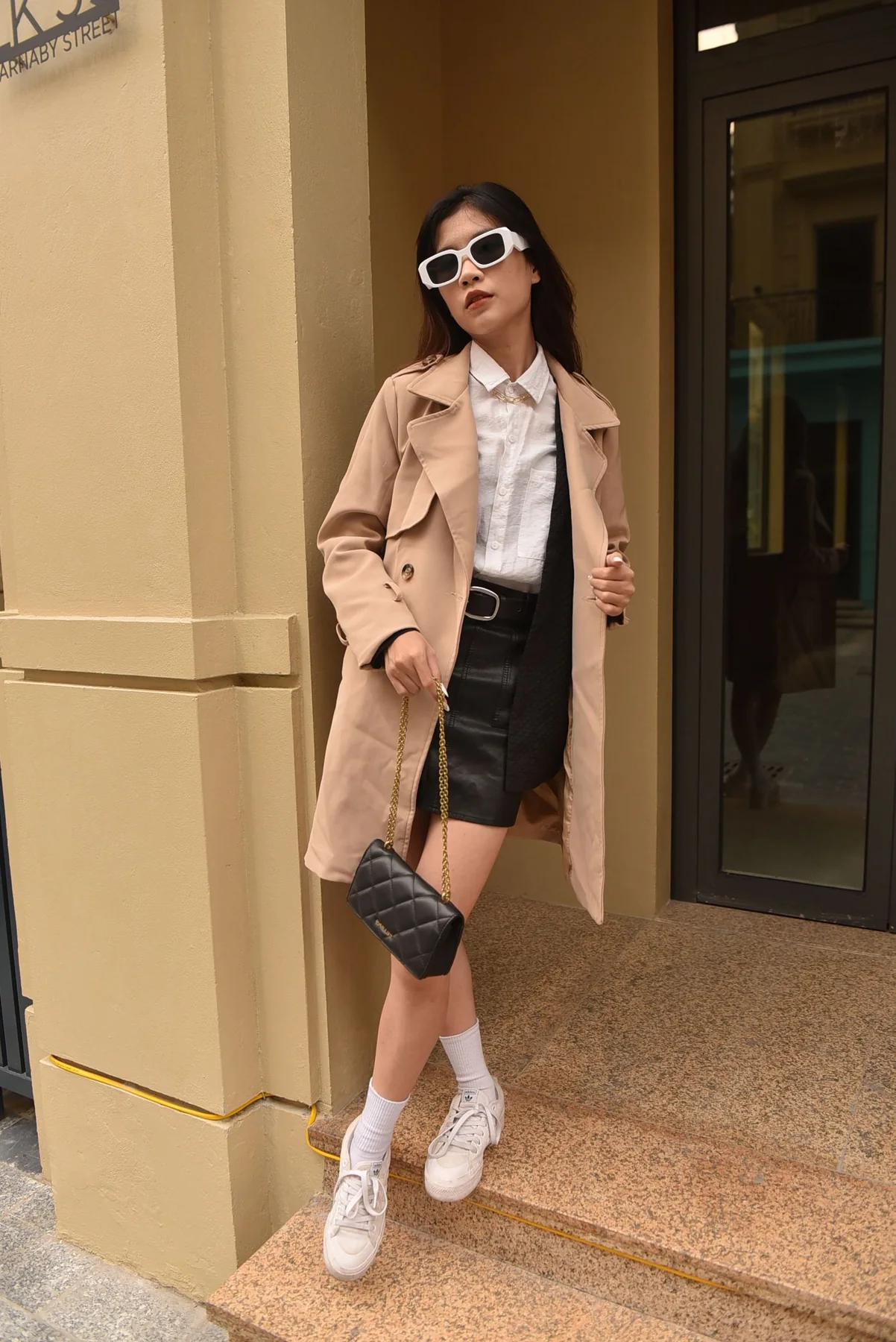
Read the guide ↗Compare a Beige Coat With Retained Dark Shorts. Practical checks for retained clothes, everyday products and ordinary home life.
Read the guide ↗Try a Cafe-Day Dress With the Table Task in Mind. Practical checks for retained clothes, everyday products and ordinary home life.
Read the guide ↗Compare dark knit surfaces in daylight before adding another layer, using visible weave, sheen and retained clothing to identify which difference the outfit actually needs.
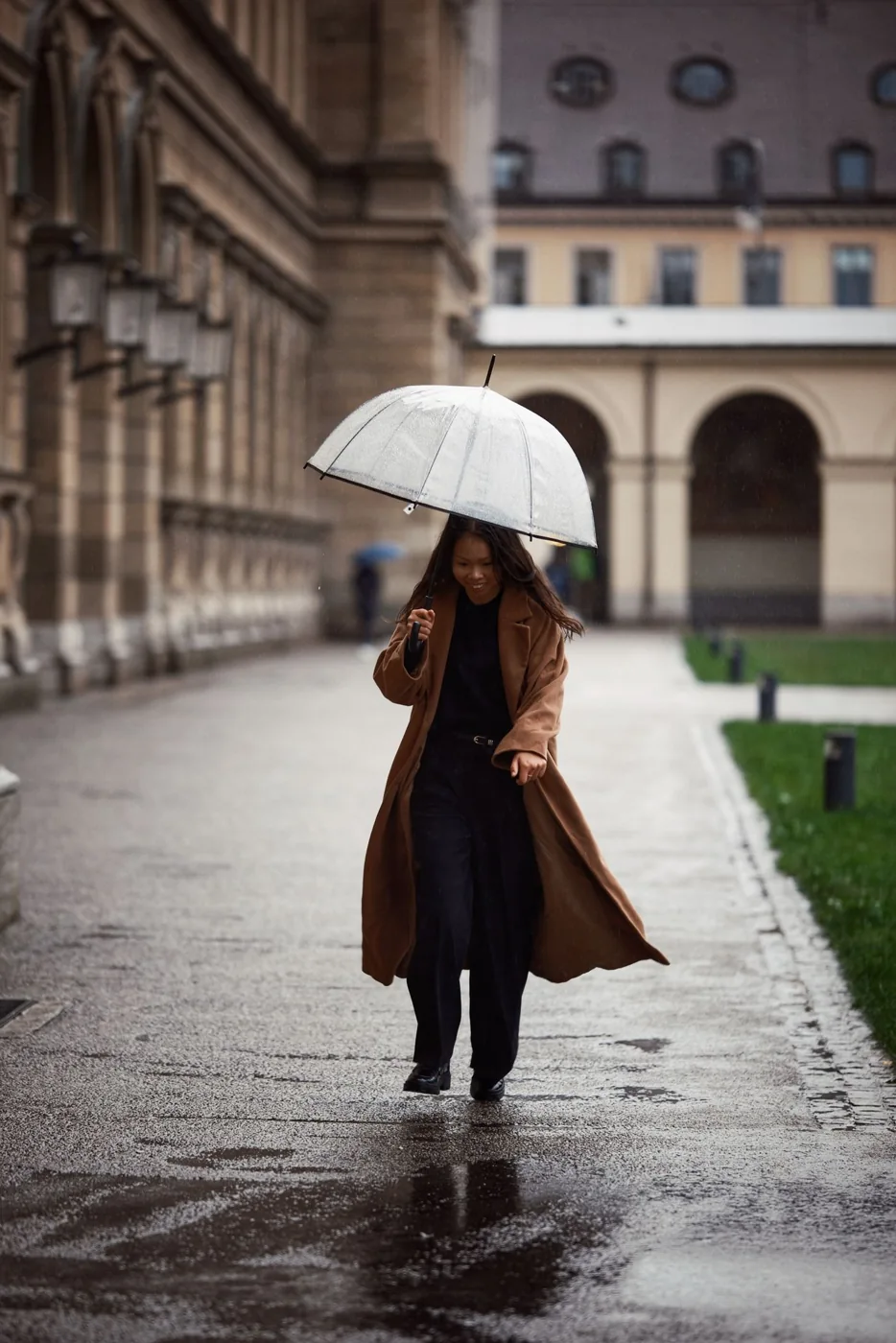
Read the guide ↗Consider an umbrella as a visible outfit element, comparing its colour with retained outerwear while keeping suitable weather protection and ordinary handling first.
Read the guide ↗Repeat a sneaker accent once in a retained outfit, comparing the amount and position of colour before adding new clothes to match a small detail on the shoes.
Read the guide ↗Compare a shirt cuff with a watch or bracelet as one visible group, using ordinary sleeve position and movement to decide which detail should remain most prominent.
Read the guide ↗Pause a repeat clothing purchase before joining the queue, checking the wardrobe role and retained alternatives so a familiar favourite does not become an accidental duplicate.
Read the guide ↗Compare mixed dark fabrics in daylight, checking sheen, transparency and texture together so a tonal outfit is judged as a complete group rather than separate black pieces.
Read the guide ↗Use a white shirt placket as a visible outfit line, comparing fastening, contrast and retained layers while keeping the shirt within its intended comfortable fit.
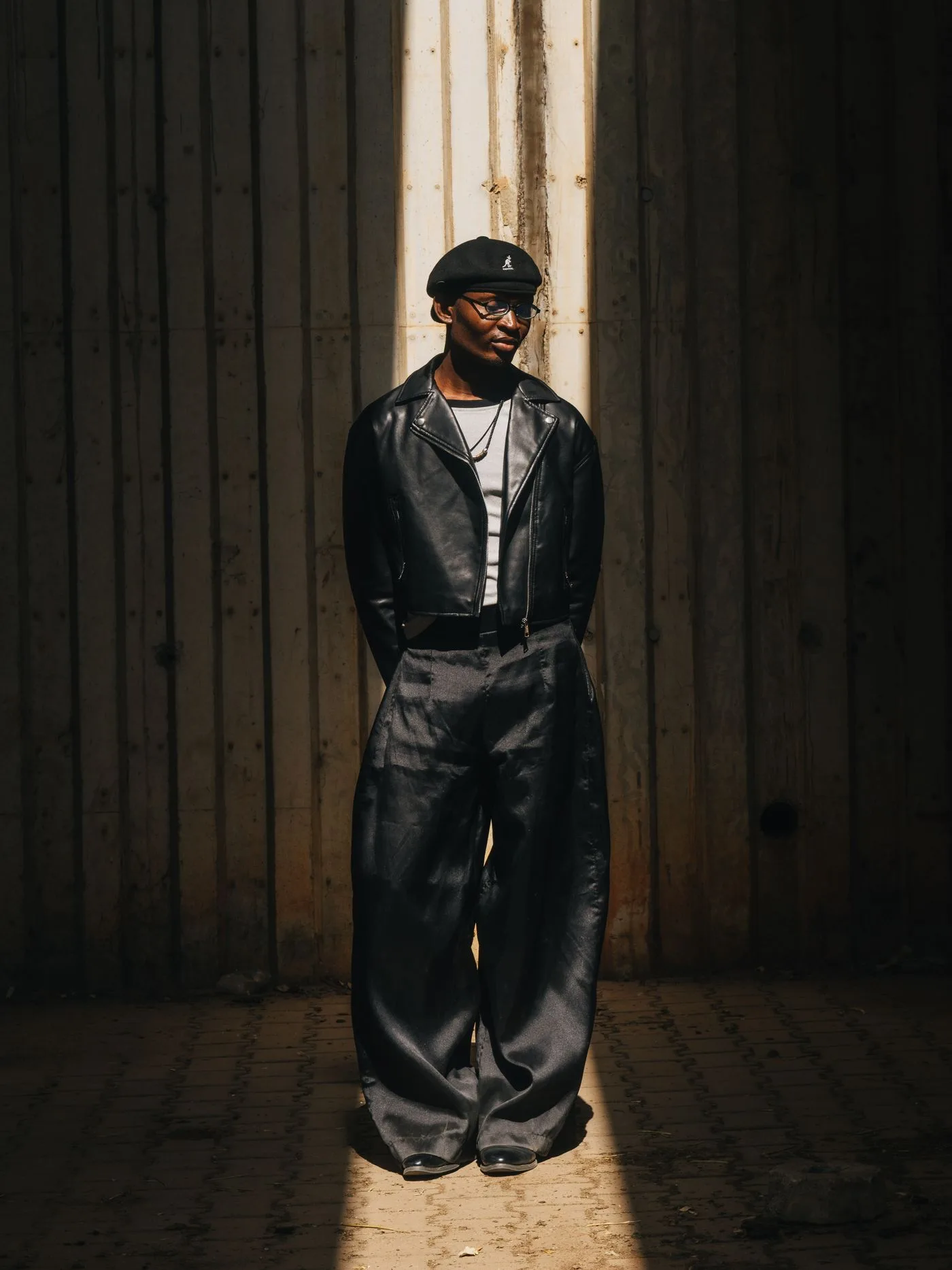
Read the guide ↗Compare jacket length with retained wide-leg trousers, using front and side views to decide where the outfit changes shape without relying on a fixed proportion rule.
Read the guide ↗Decide whether a turtleneck needs neckline jewellery by comparing the knit surface, collar shape and existing outfit detail before adding a necklace automatically.
Read the guide ↗Compare a coat belt in its intended tied and loose arrangements, checking the complete outline and practical handling before treating either version as the default.
Read the guide ↗Look at a white garment against several ordinary backgrounds, keeping lighting, fabric information and the intended outfit clear before drawing conclusions from a photograph.
Read the guide ↗Compare a coat lapel with the rest of the outfit before adding a scarf, using its width, angle and visible neckline to decide which details the outfit actually needs.
Read the guide ↗Consider the visible pocket outlines on jeans alongside the top you intend to wear, keeping front, side and back views in one practical outfit comparison.
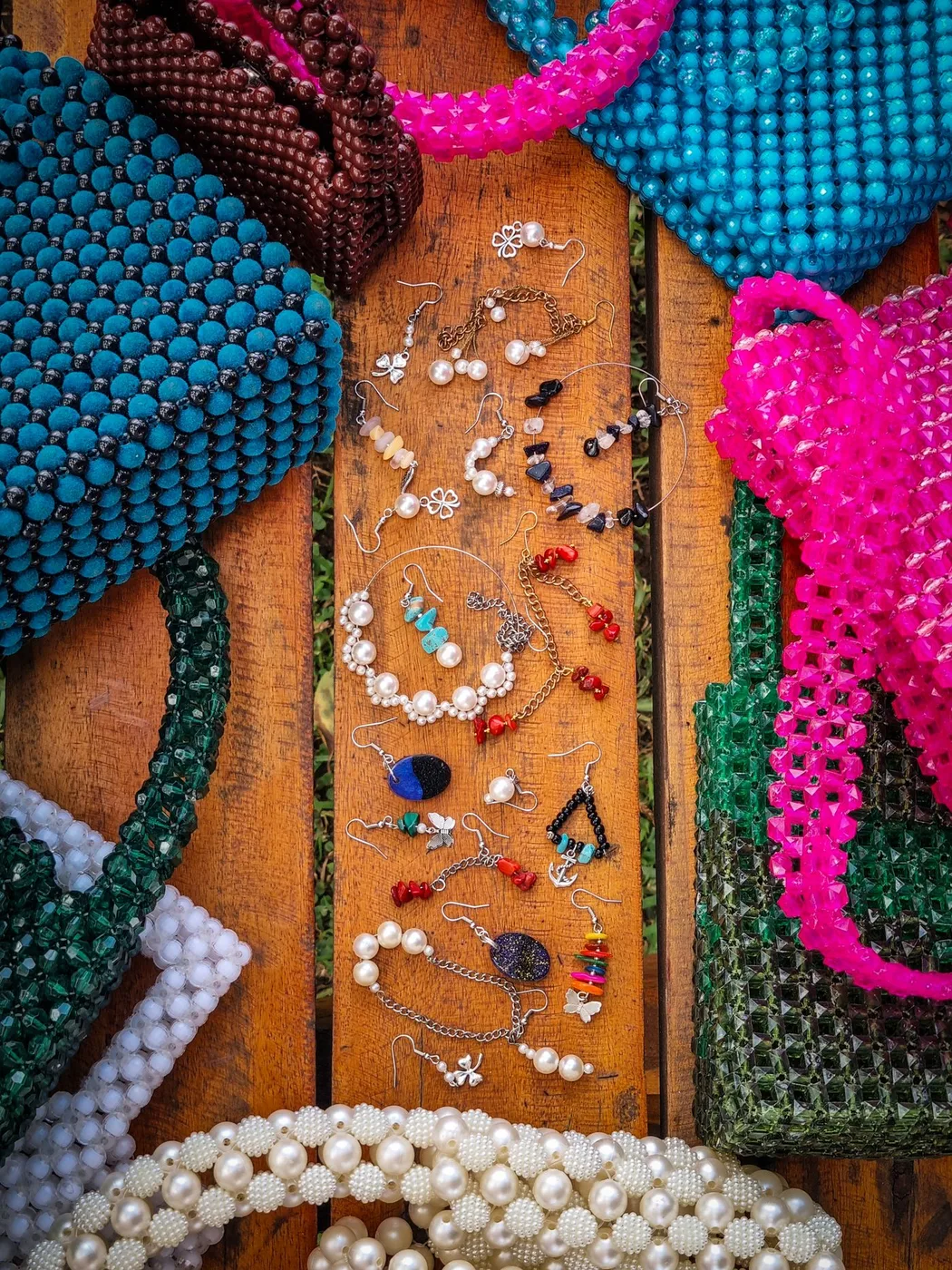
Read the guide ↗Let one beaded accessory provide the outfit detail, comparing scale, colour and nearby surfaces before adding jewellery or another equally decorative piece.
Read the guide ↗Read a knit shoulder line alongside the neckline, sleeves and retained lower half, distinguishing an intentional relaxed shape from an outfit proportion you do not enjoy.
Read the guide ↗Include a clear back view when considering a dress, checking the complete outline and construction with suitable mirrors rather than relying on a flattering front photograph.
Read the guide ↗Narrow a large shoe choice around one ordinary day, separating walking, indoor time and outfit needs so an attractive pair is not selected for an imagined routine.
Read the guide ↗Pair a textured handbag with retained outerwear by comparing surface contrast, colour temperature and visible scale before adding another patterned accessory.
Read the guide ↗Compare similar garments side by side while keeping fabric labels, surface differences and intended wear clear, so a familiar colour does not hide an important choice.
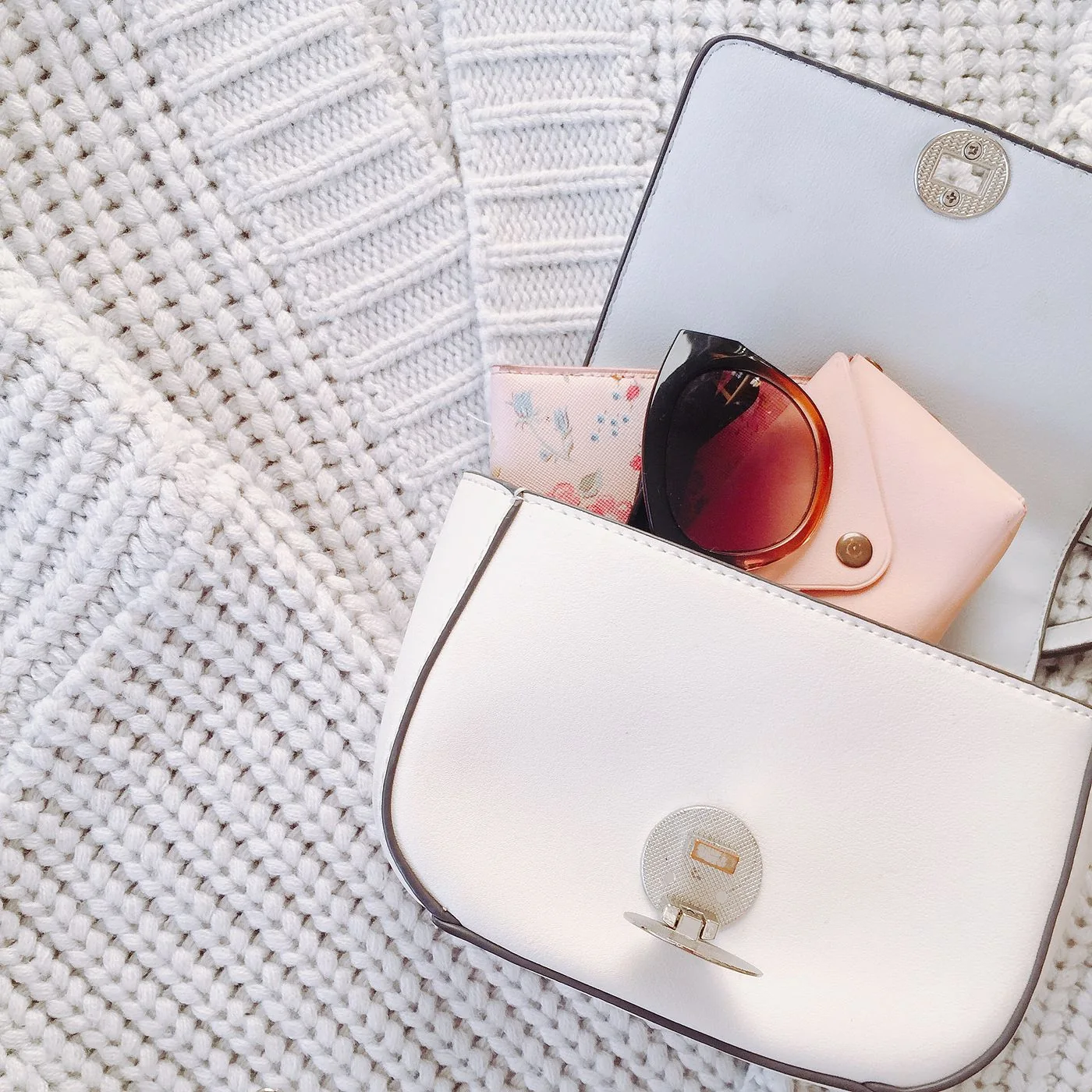
Read the guide ↗Compare a handbag closure through ordinary opening and closing, checking access, small-item visibility and the way the bag fits your existing daily routine.
Read the guide ↗Keep a small kitchen towel group clear by task, distinguishing ready pieces from those in use and giving each a suitable next step before it returns to storage.
Read the guide ↗Read a small bake’s pan preparation before mixing, checking the stated tin, lining and release method so the ready mixture has a suitable destination.
Read the guide ↗Include a seated view when comparing a pleated-skirt outfit, checking the waistband, top length and return to standing with the layers actually planned.
Read the guide ↗Choose the visible shirt front beneath a retained waistcoat, comparing collar, fastening and hem together before adding more detail to the finished outfit.
Read the guide ↗Check the actual mattress depth before choosing a fitted sheet, keeping the product’s complete fit and care information alongside the bed’s dimensions in the shopping note.
Read the guide ↗Compare chair textile texture with the retained room, looking at the actual viewing distance and ordinary light before choosing a sample for another furniture purchase.
Read the guide ↗Choose market produce around the recipe quantity and the household’s real meals, checking storage and a named use before a larger bag becomes the default purchase.
Read the guide ↗Choose a lunch container around its clean return as well as the packed meal, checking lids, drying space and complete storage before buying another matching set.
Read the guide ↗Introduce a casual game with one ordinary first turn, keeping the real rules visible and separating a demonstration move from the agreed starting arrangement.
Read the guide ↗Keep bookshelf titles readable from the choosing position, separating front-facing display from the books regularly taken down and returned during an ordinary week.
Read the guide ↗Draft a paper note’s panel sequence before decorating, checking the real opening direction and message space so a small personal card remains clear to read.
Read the guide ↗Write a clear household repair enquiry before booking, separating observed symptoms from guessed causes and keeping the actual product reference attached to the question.
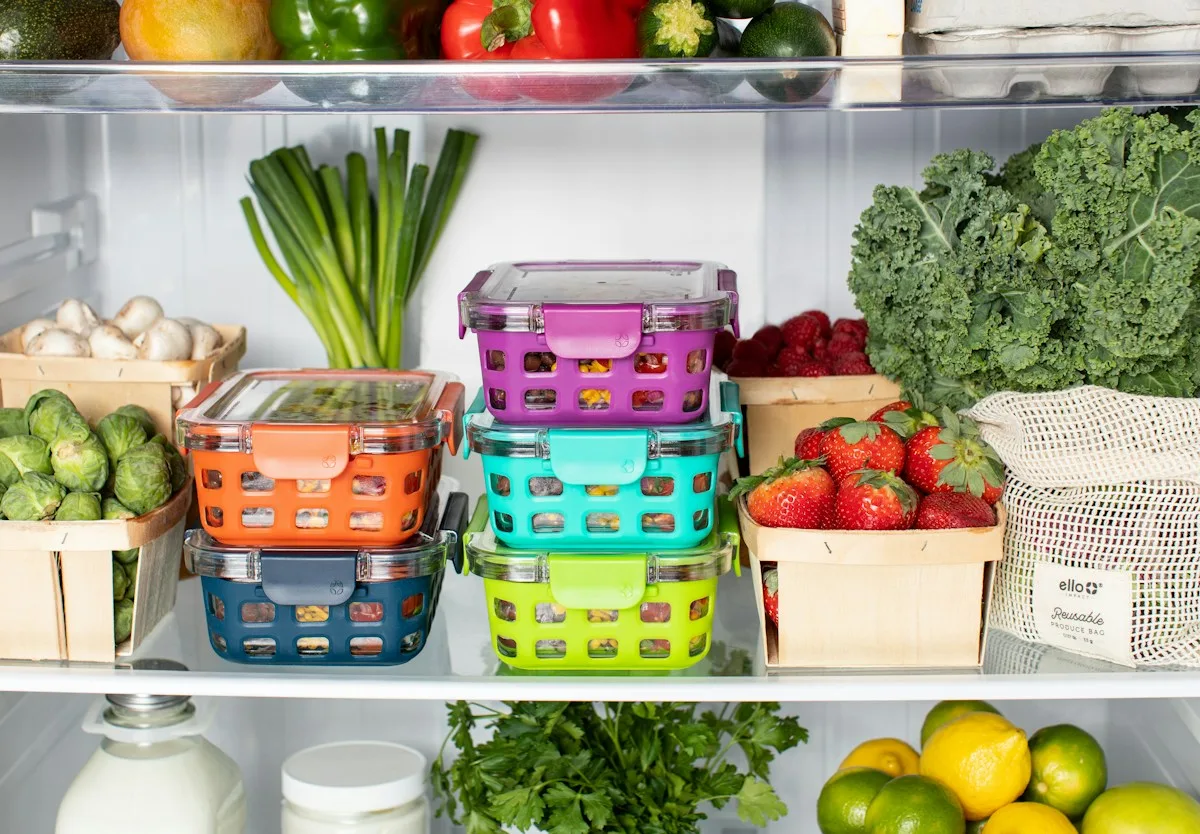
Read the guide ↗Keep food-box labels visible from the refrigerator’s ordinary view, checking the complete container and surrounding food before treating a tidy stack as a usable arrangement.
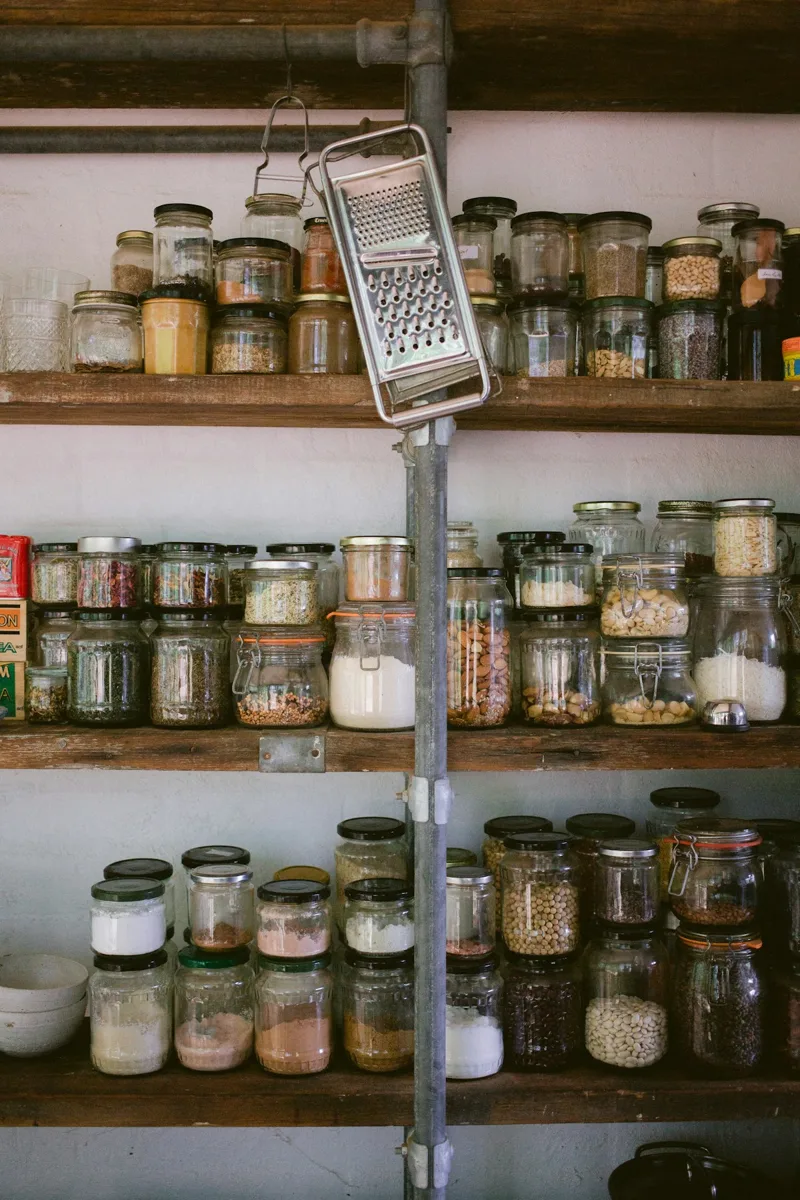
Read the guide ↗Give a pantry refill a clear start and finish, keeping the previous contents identified and the new package information available before the container returns to the shelf.
Read the guide ↗Compare a placemat with the whole place setting, leaving practical room for cutlery and drinks before choosing a pattern beside the retained everyday plates.
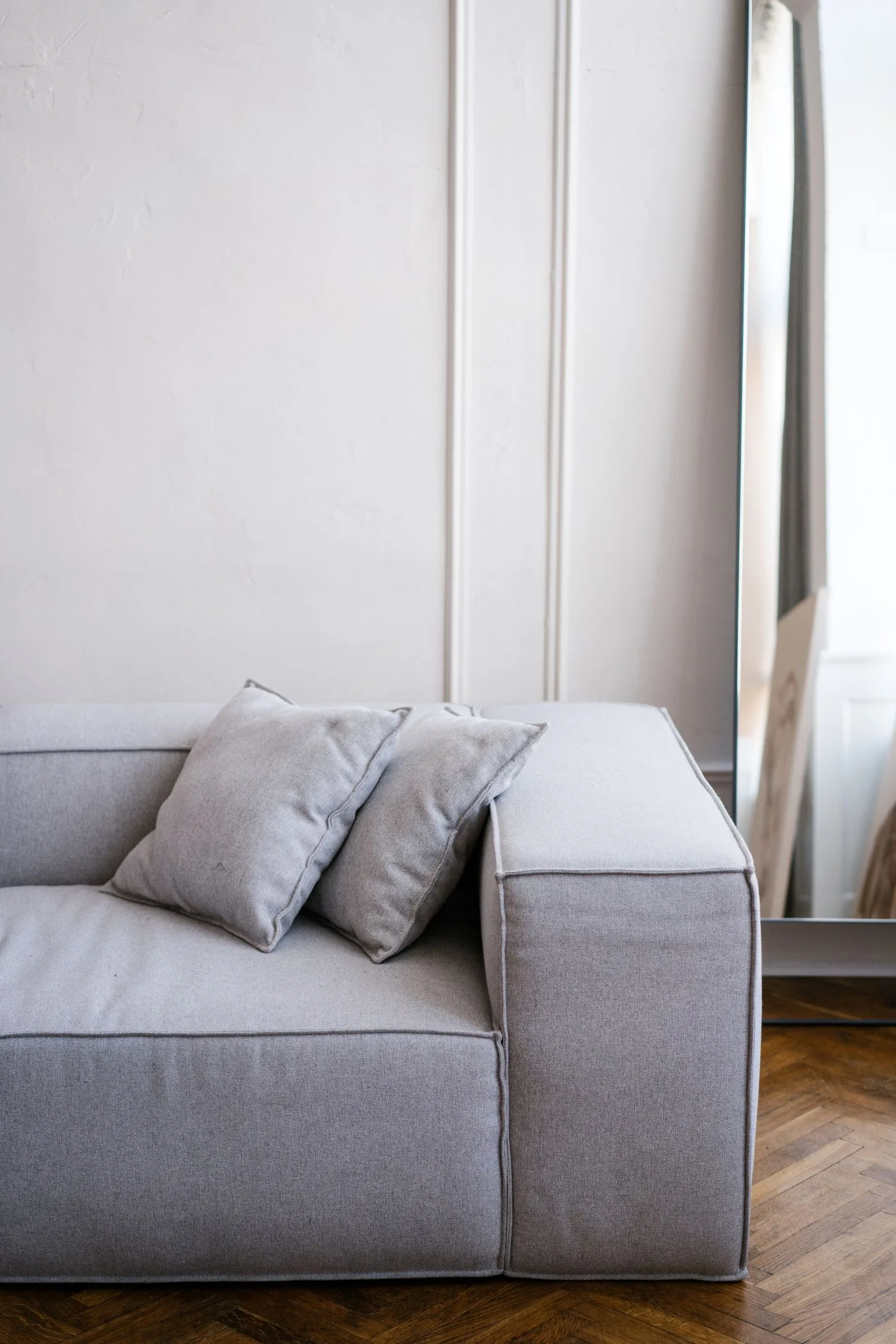
Read the guide ↗Look at the room a sofa-side mirror actually reflects, comparing seated and doorway views before adding another decorative object to the surrounding group.
Read the guide ↗Borrow an occasion jacket with its return already agreed, checking the actual outfit and the owner’s expectations before treating the garment as part of a ready plan.
Read the guide ↗Keep spare buttons linked to the garments they belong to, recording a clear item reference before several similar packets become an unidentified sewing-drawer group.
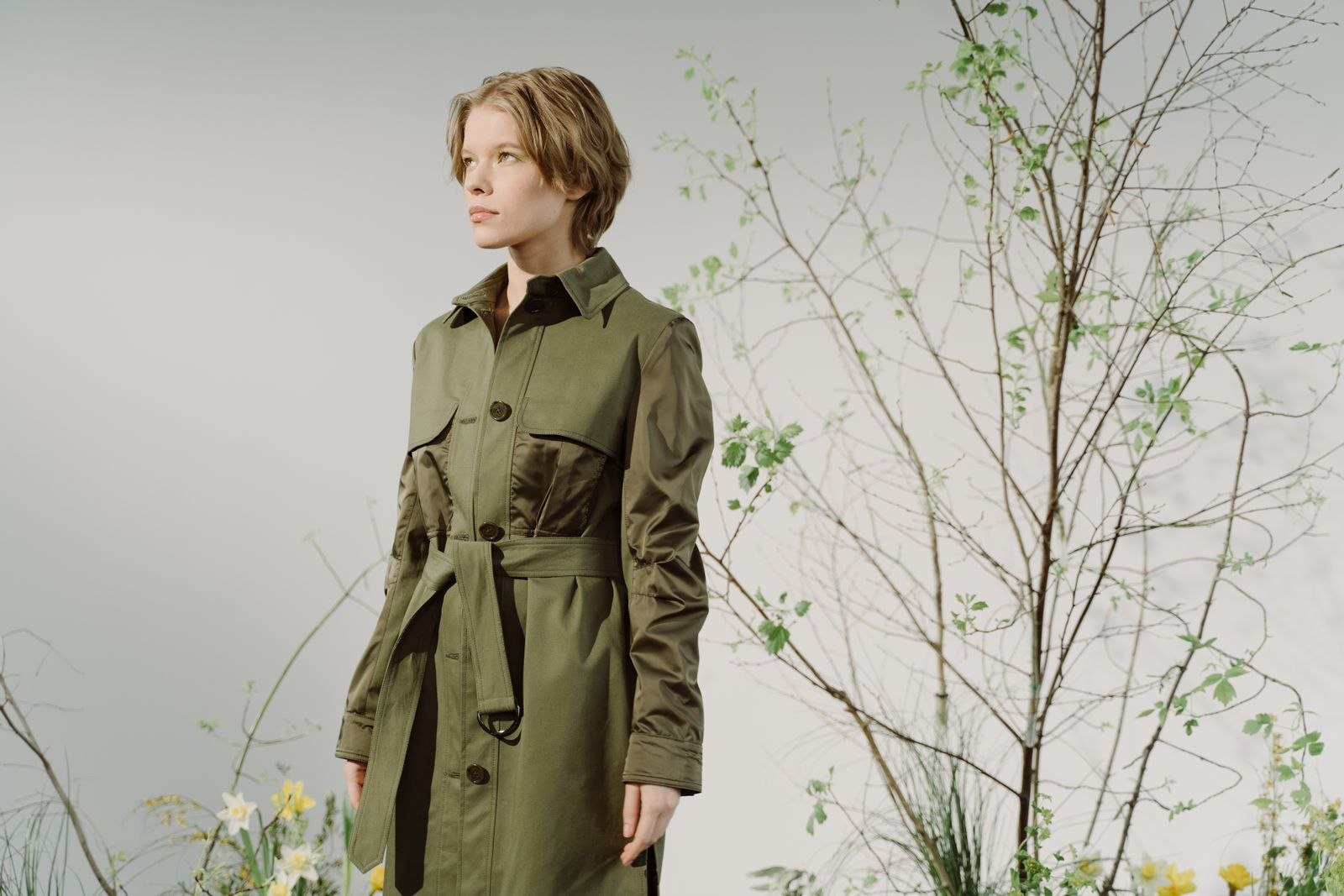
Read the guide ↗Check the indoor outfit beneath a green coat, choosing a retained base that remains comfortable and complete after the outer layer comes off during the actual visit.
Read the guide ↗Try the coat fastening with the gloves already owned, comparing the ordinary carrying and indoor transitions before another accessory becomes the assumed solution.
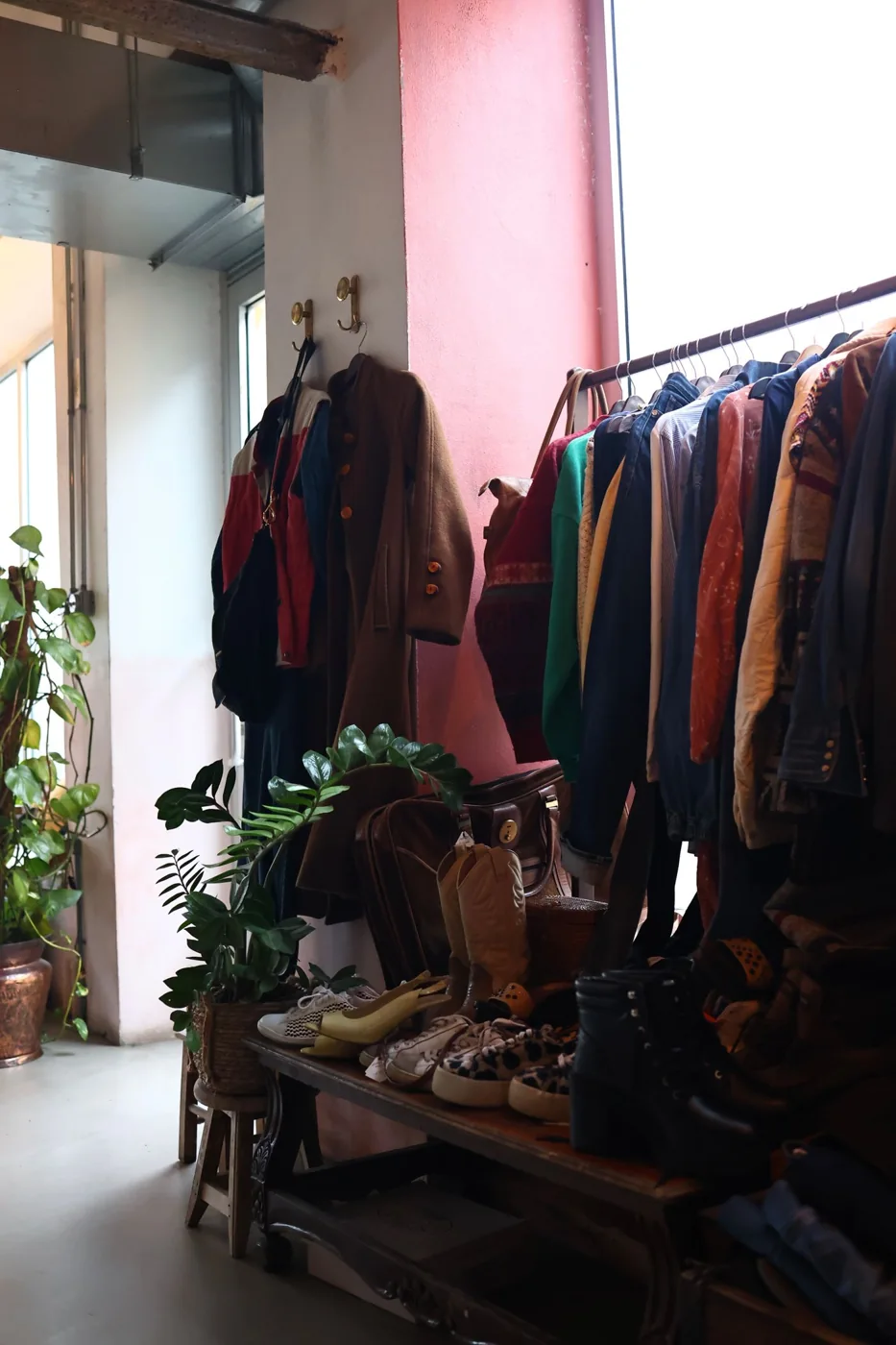
Read the guide ↗Check a vintage coat’s interior before planning the outfit, keeping observed condition and necessary repair questions separate from assumptions about future restoration.
Read the guide ↗Separate packed footwear from the clean clothing group, checking each pair’s care needs and the return journey before choosing another shoe bag for the suitcase.
Read the guide ↗No guides match that search. Try a shorter phrase or browse a category above.