
Choose a coat for the life outside the photograph
A statement coat is most useful when it makes an ordinary morning easier. Picture the actual journey: walking to a café, carrying a work bag, sitting on public transport or collecting groceries. A beautiful colour is only one part of the decision. Before shopping, identify the weather and activities the coat must handle, then look at the pieces already in your wardrobe. This guide offers styling criteria rather than a product review. You do not need a dramatic new outfit underneath; the coat can provide the visual interest while familiar clothes do the practical work.
Build a quiet foundation
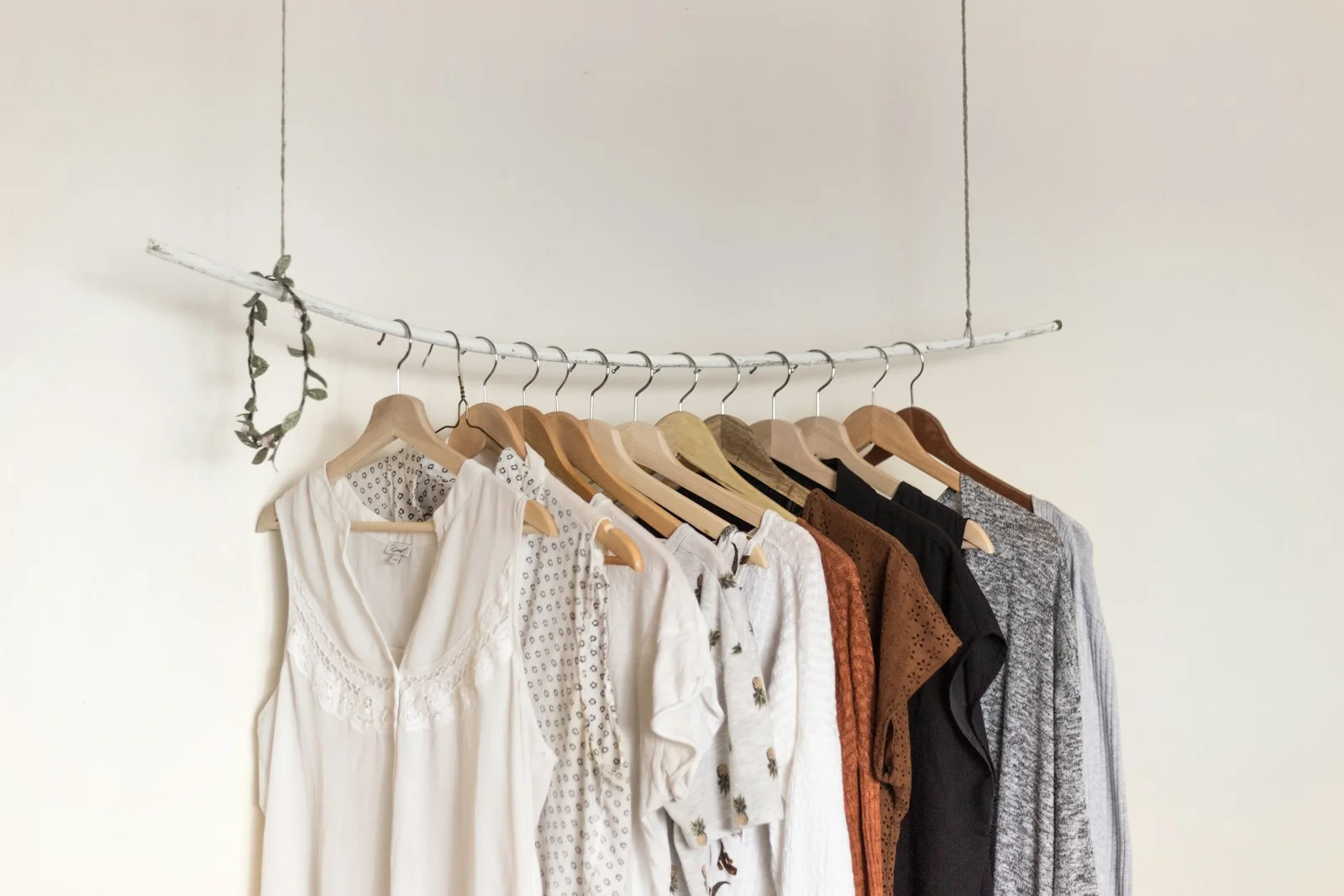
Start with trousers or jeans that fit comfortably, a simple top and footwear you already enjoy wearing. Keep the base in one colour family if you want the coat to stand out clearly. That does not require matching every shade perfectly: charcoal, washed black and a soft grey can sit together without looking like a uniform. Try the whole outfit in daylight and check it while the coat is open as well as closed. If the base looks unfinished without the outer layer, adjust it before adding accessories. You will probably remove the coat at some point during the day.
Check proportion through movement
A longer coat can work over many silhouettes, but the useful test is how it behaves when you move. Sit down, reach forward and carry your usual bag. Check whether the shoulders pull, the sleeves interfere with your hands or the hem catches around your legs. Try it over the thickest layer you reasonably expect to wear. A fitted photograph cannot tell you whether the coat accommodates a jumper. Look at the side view and the back, then consider whether you can close it comfortably. Fit is personal, and a size label is only a starting point.
Let accessories solve a specific problem
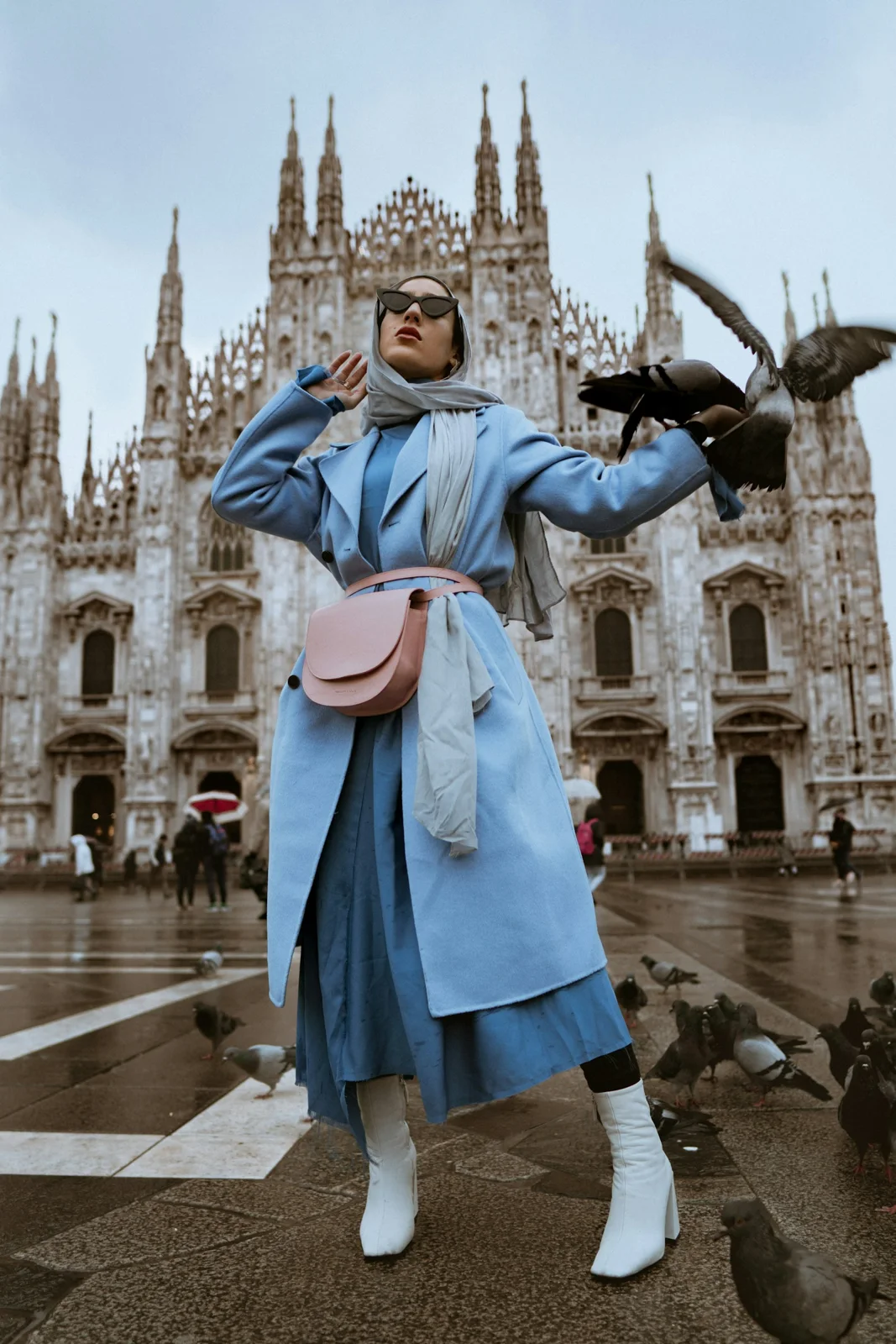
A scarf can add warmth or soften a neckline; a bag should hold what you need without making the outfit awkward. Choose those functions before deciding whether every accessory coordinates with the coat. A contrasting bag can work well when the rest of the outfit is simple. If a bold coat already feels like enough, keep jewellery understated and footwear familiar. Avoid buying several new accessories solely to support one purchase. The most useful statement piece should connect to your existing wardrobe rather than require a second shopping list before you can wear it outside.
Read the practical details before paying
Check the fabric composition, care instructions, fastening and pocket placement. Determine whether the item is intended for the conditions you expect; a tailored fashion coat is not automatically rain protection. Compare the total cost with likely wear and any regular cleaning expense. If ordering online, read the return conditions and check whether sale items have different terms. Measurements and product-specific fit notes are more useful than assuming your usual size will always work. A slightly cheaper coat can become poor value if it needs maintenance you are unwilling to arrange or feels uncomfortable with everyday layers.
Use a five-outfit rehearsal
Before removing tags, combine the coat with a work outfit, jeans, a dress or skirt, comfortable weekend clothes and your most frequently worn shoes. These are possibilities, not obligations to own every category. Photograph the combinations for your own reference if that helps. Keep the coat only if several versions feel natural and the practical checks pass. Your checklist is comfortable shoulders, a usable fastening, reachable pockets, suitable care and at least a few existing outfit partners. A distinctive coat earns its place when you can wear it on an ordinary day without feeling that the rest of your wardrobe needs replacing.
Read how we put our guides together, or flag a correction at [email protected].