Describe the day before the shoes
An open wardrobe can make every pair seem like a possibility. Start with one real day rather than a general ambition to dress better. Note the journey, the time spent indoors and any occasion that changes what you need to wear. A bus journey, several short walks and a seated lunch produce a different decision from a day spent mainly at one desk.
Keep the description factual. You do not need a detailed itinerary or a prediction of every inconvenience. The purpose is to identify the ordinary activities that the shoes must suit, using their intended use and your existing knowledge of the pairs you own.
Make a short group
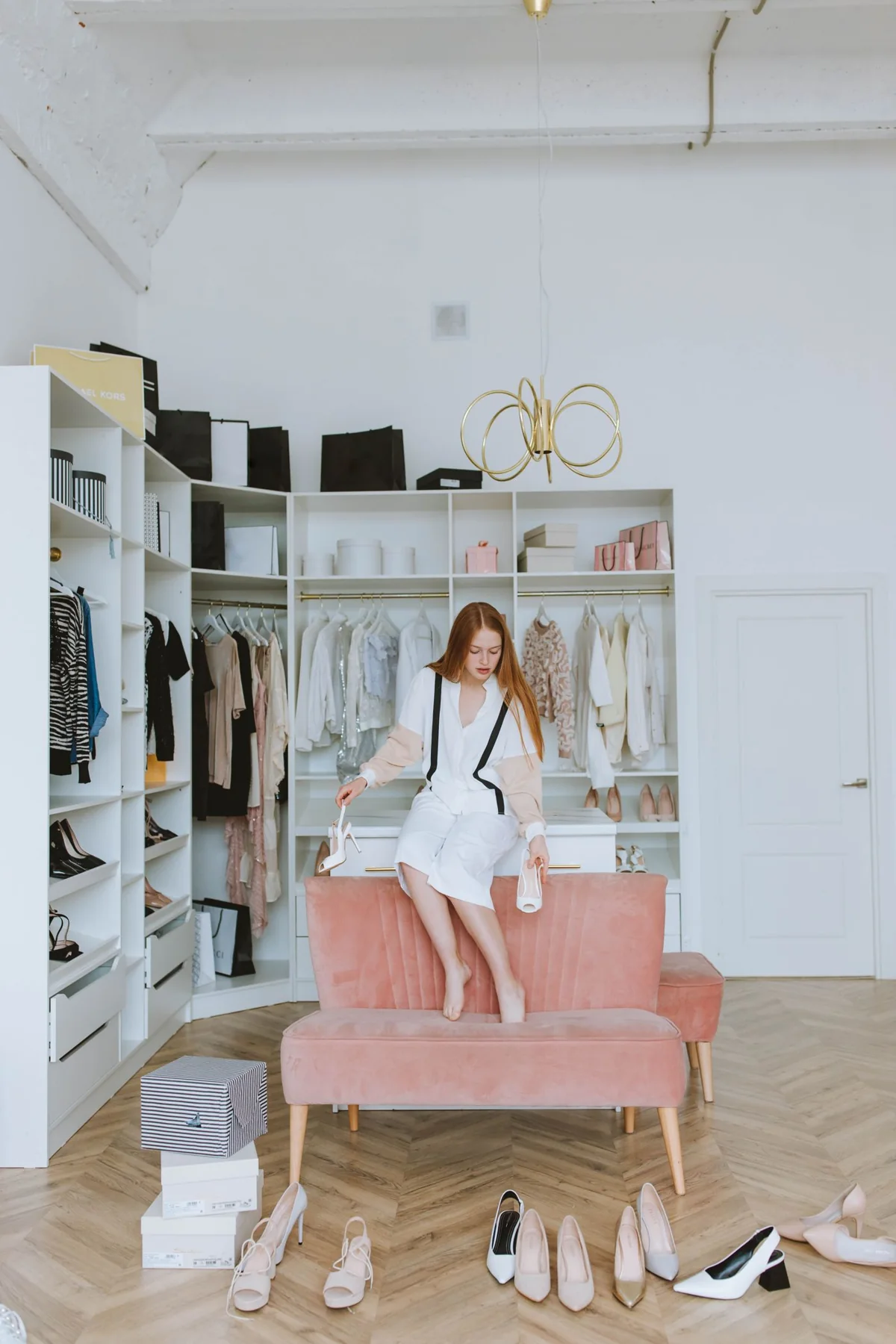
Choose a few retained pairs that genuinely fit the day's requirements. Leave out options that require repairs, are unsuitable for the conditions or belong to an entirely different occasion. A smaller group makes the comparison more useful than trying every shoe in the wardrobe.
Set each pair beside the complete clothes you intend to wear. Include the actual trouser or skirt length. A shoe viewed alone can look balanced while the same shape changes the outfit's proportions. Do not alter a hem merely to justify a pair before comparing the alternatives already available.
Separate appearance from experience
Compare visual qualities first: colour, shape and the amount of shoe visible beneath the clothes. Then consider your own ordinary experience of wearing the pair. A style photograph cannot establish comfort for your feet or guarantee suitability for a particular surface.
If a pair is unfamiliar, use the retailer's fitting and return arrangements appropriately. A brief indoor try-on does not prove how it will feel through a long day. Avoid building a demanding plan around an untested assumption, especially when a familiar suitable option is available.
Keep a reason for the choice
Name the deciding difference. One pair may work with the retained trouser length; another may better suit the day's expected use. When two options are equally suitable, choose the appearance you prefer rather than inventing a technical justification.
If every candidate feels wrong, identify the actual gap. It might be that the outfit needs a different trouser, not another shoe. Repeat the comparison with one changed garment before treating the problem as a shopping requirement.
Put unchosen pairs back in their normal places and leave the selected pair ready for the day. A short note can help if you repeatedly face the same choice, but keep it tied to the particular outfit and activities. The useful result is a decision you can explain, not a permanent ranking of all your shoes.
Related reading
Try Jeans Hems With the Shoes You Actually Walk In, Keep a Useful Pair Record Before Changing Shoe Storage.
Read how we put our guides together, or flag a correction at [email protected].