Choose the active clothing group
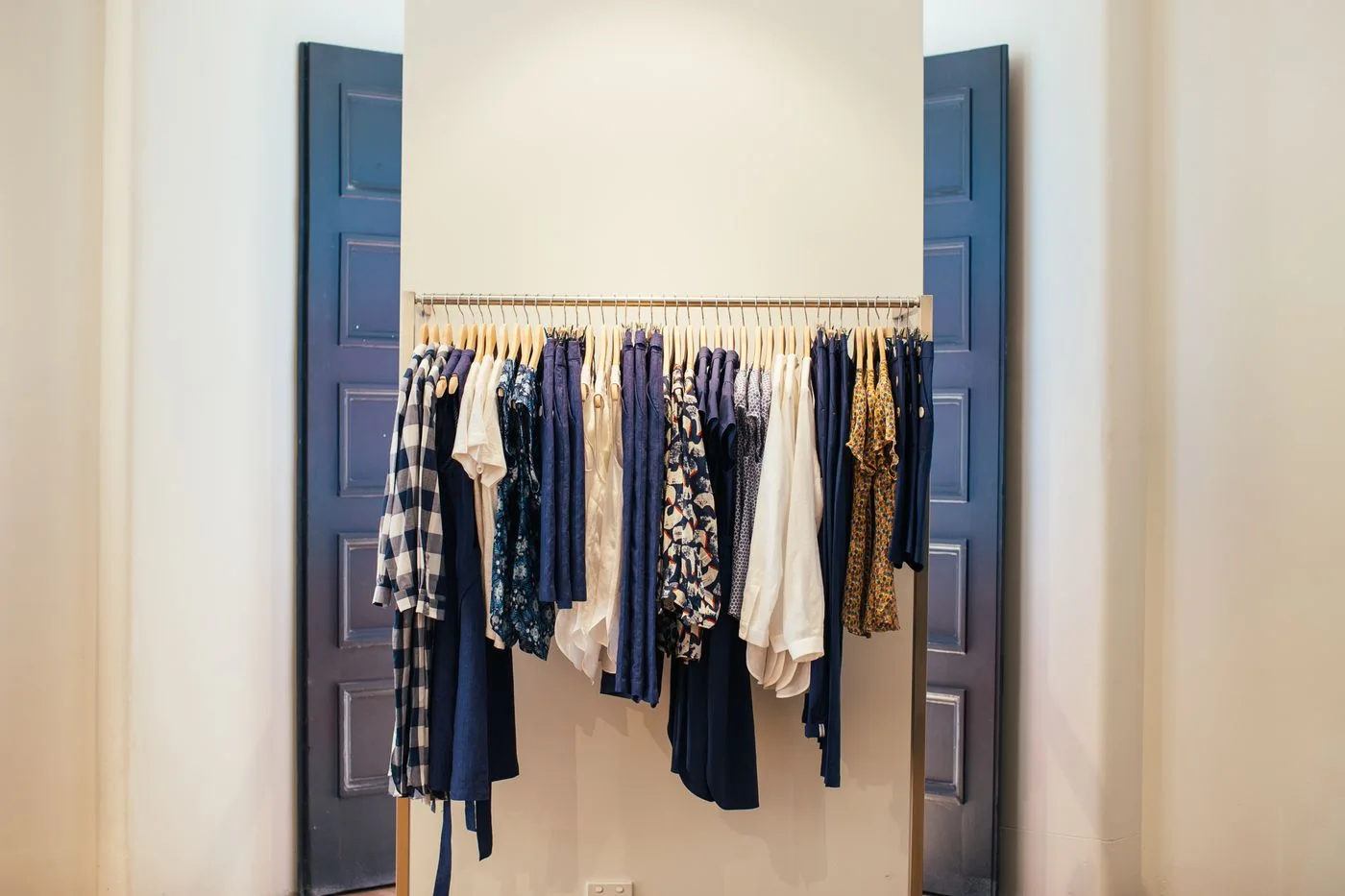
A wardrobe rail can look full while making useful garments difficult to retrieve. Start with the clothes worn in the current routine. Keep pieces waiting for repair, future use or another decision clearly separate so they do not obscure the everyday group.
Follow garment care and storage information when deciding what belongs on a hanger. Do not assume every knit or delicate piece should hang simply because rail space is available. Suitable support matters as well as a visually uniform row.
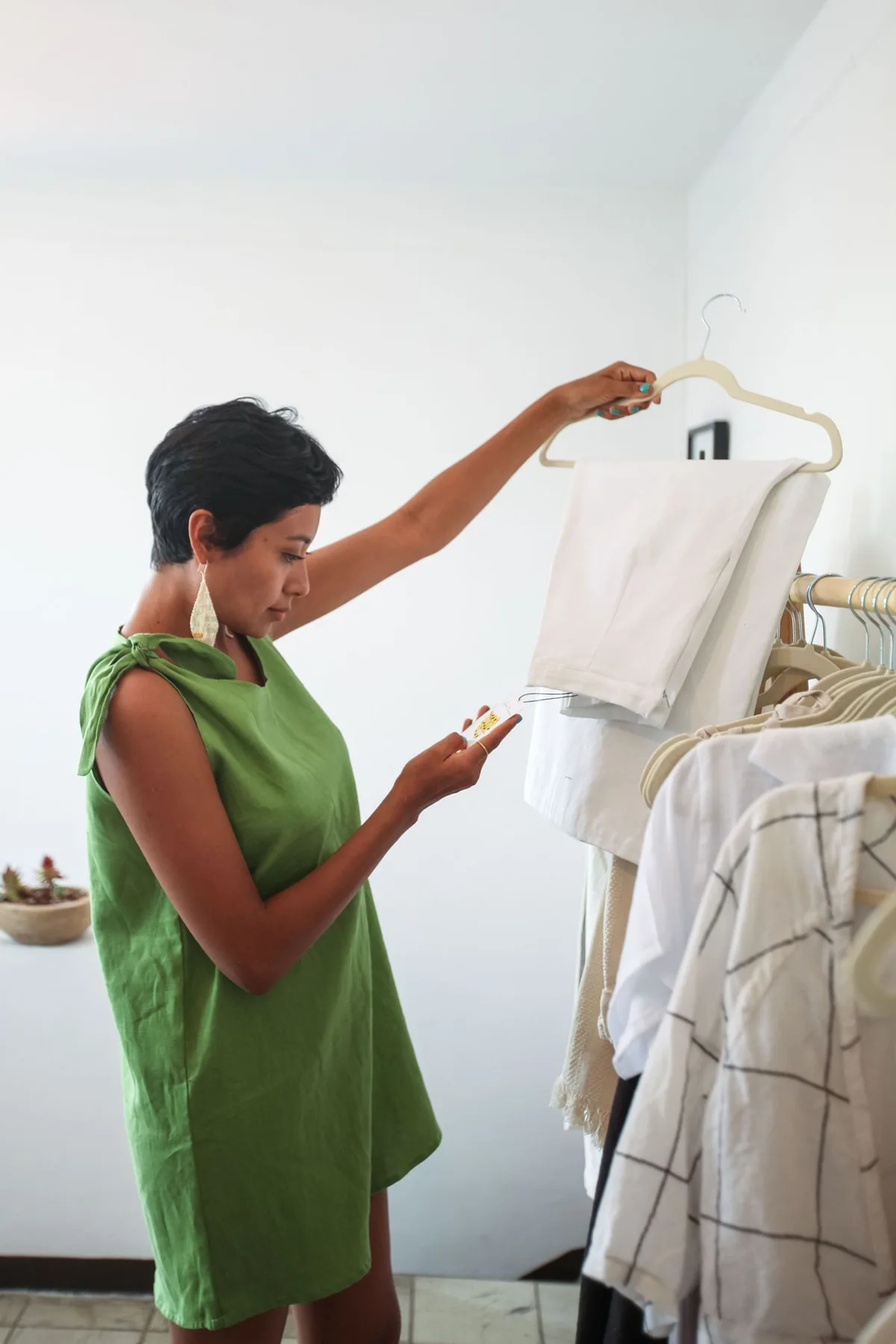
Check the actual hanger and garment
Use hangers appropriate for the garments and follow any relevant product guidance. Consider shoulders, straps and the way a piece rests. A matching set of hangers is optional; the useful question is whether each garment remains supported and easy to identify.
Measure the usable rail and keep furniture load and installation requirements in view. Do not force more clothing onto a rail than the product supports. A crowded collection can make both retrieval and return unnecessarily awkward.
Test removing one complete outfit
Choose an ordinary outfit and take its pieces from the rail. Notice whether several other garments come out with them or whether labels and shapes are difficult to distinguish. Return the pieces and check the same route in reverse.
Leave enough usable room for hands and garments without prescribing one universal gap. The right arrangement depends on the actual clothing and wardrobe. A retrieval test is more useful than judging the rail only while every hanger has been carefully spaced for a photograph.
Group by useful relationships
Try a simple category or outfit relationship the household can maintain. Frequently used shirts together may work better than an elaborate color order, while a small occasion group can remain distinct. Choose the system from actual use.
Our wardrobe guide helps identify repeat pieces. The outerwear guide addresses another rail category. Keep their different care and access needs clear rather than making every garment fit one decorative arrangement.
Give returning clothes a clear decision
After wear, send garments through the appropriate care or storage routine and keep uncertain pieces separate. Do not use an empty hanger as the automatic destination for something that still needs attention. Return ready clothing promptly so the active rail remains accurate.
Our wardrobe audit helps assess overflow. If the rail fills immediately, review the active collection and storage suitability before buying more hangers. Extra hardware does not create more supported space inside the same wardrobe.
Hanger-space questions
Must hangers match? No. Suitable support, condition and clear access matter more than a coordinated appearance.
Should outfits stay together on the rail? It can help for a few repeat combinations, but choose a method that remains easy to maintain and suits garment care.
What if clothes slip off repeatedly? Check hanger suitability and garment information rather than adding an improvised attachment that could damage the fabric. The support should fit the actual piece.
Read how we put our guides together, or flag a correction at [email protected].