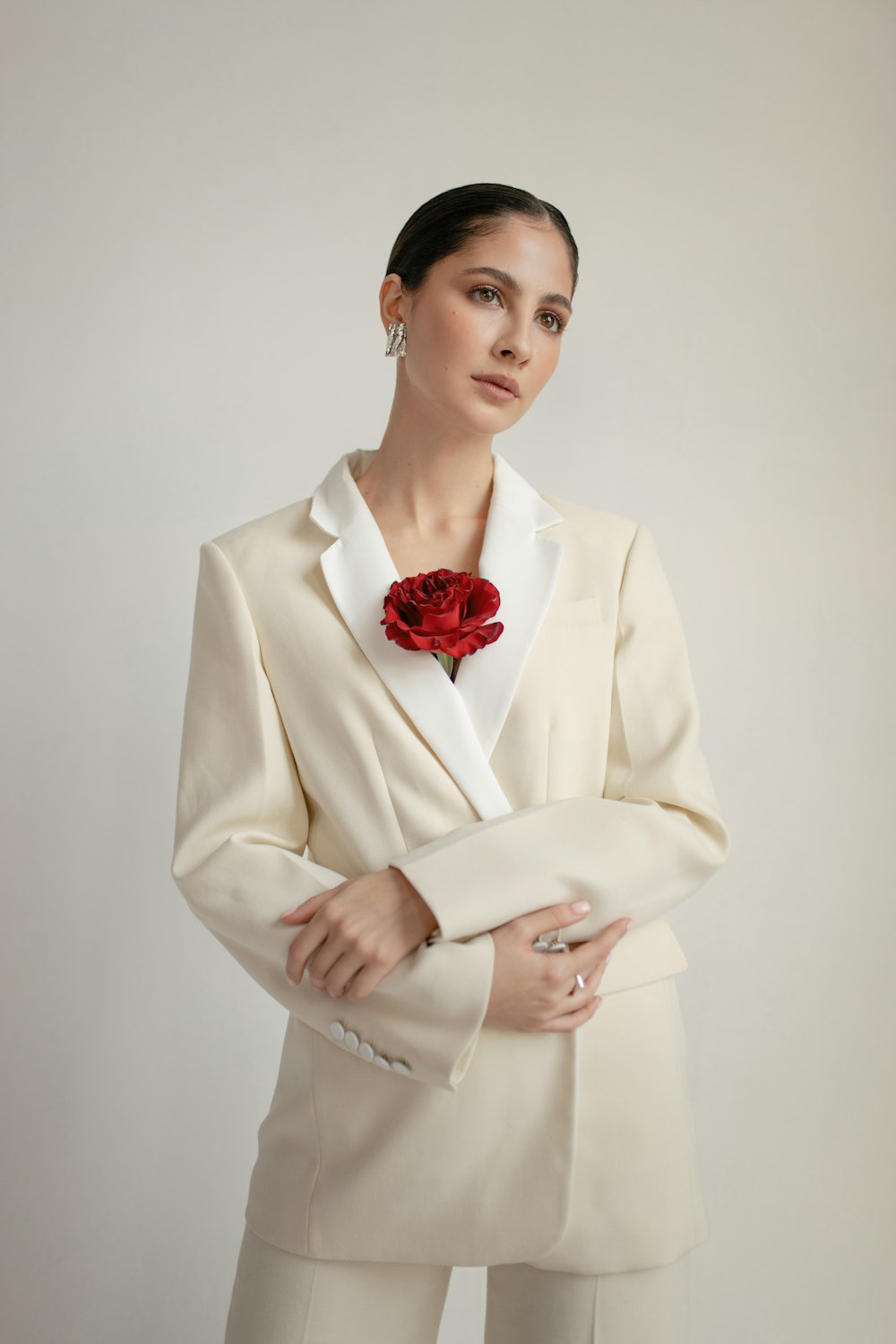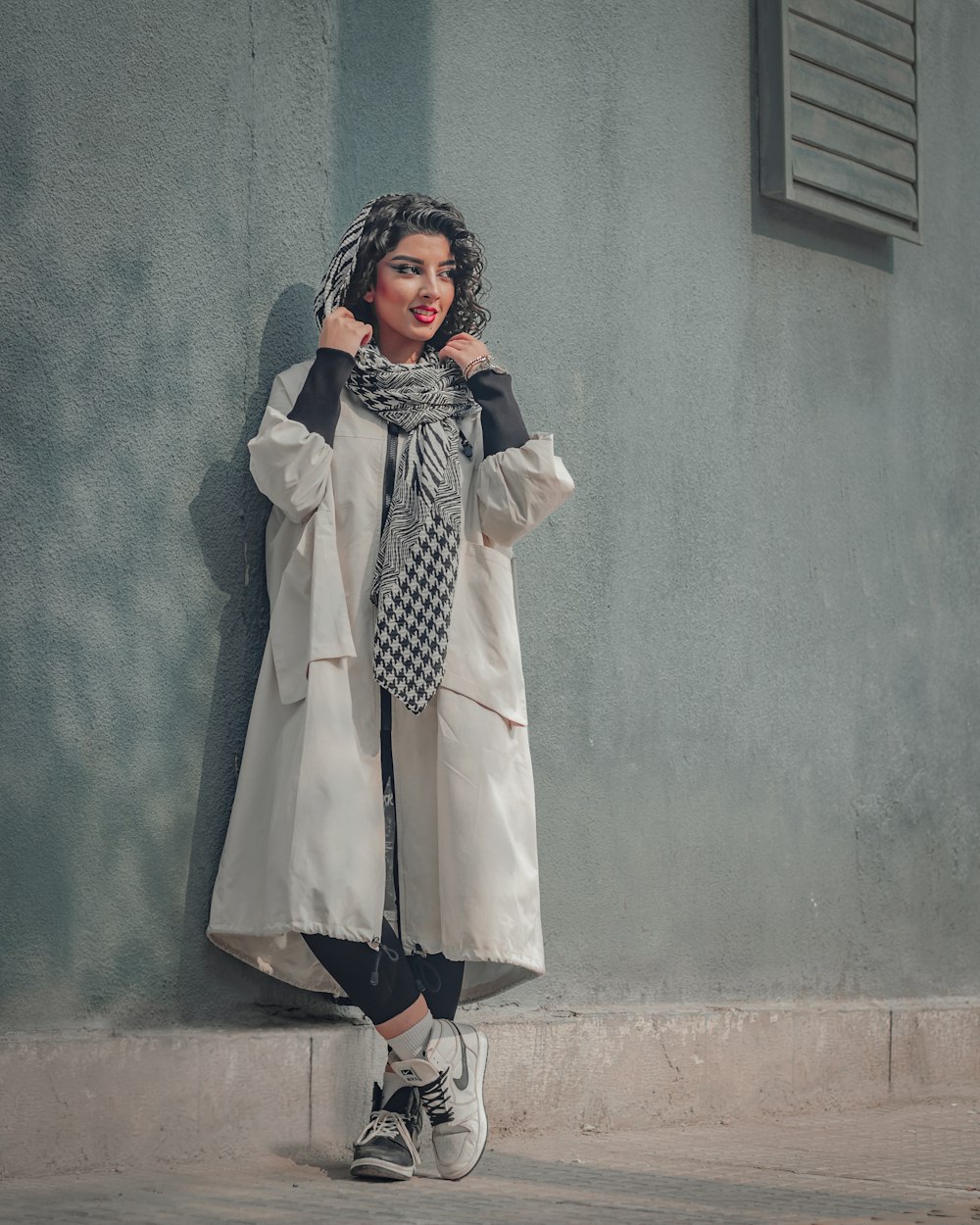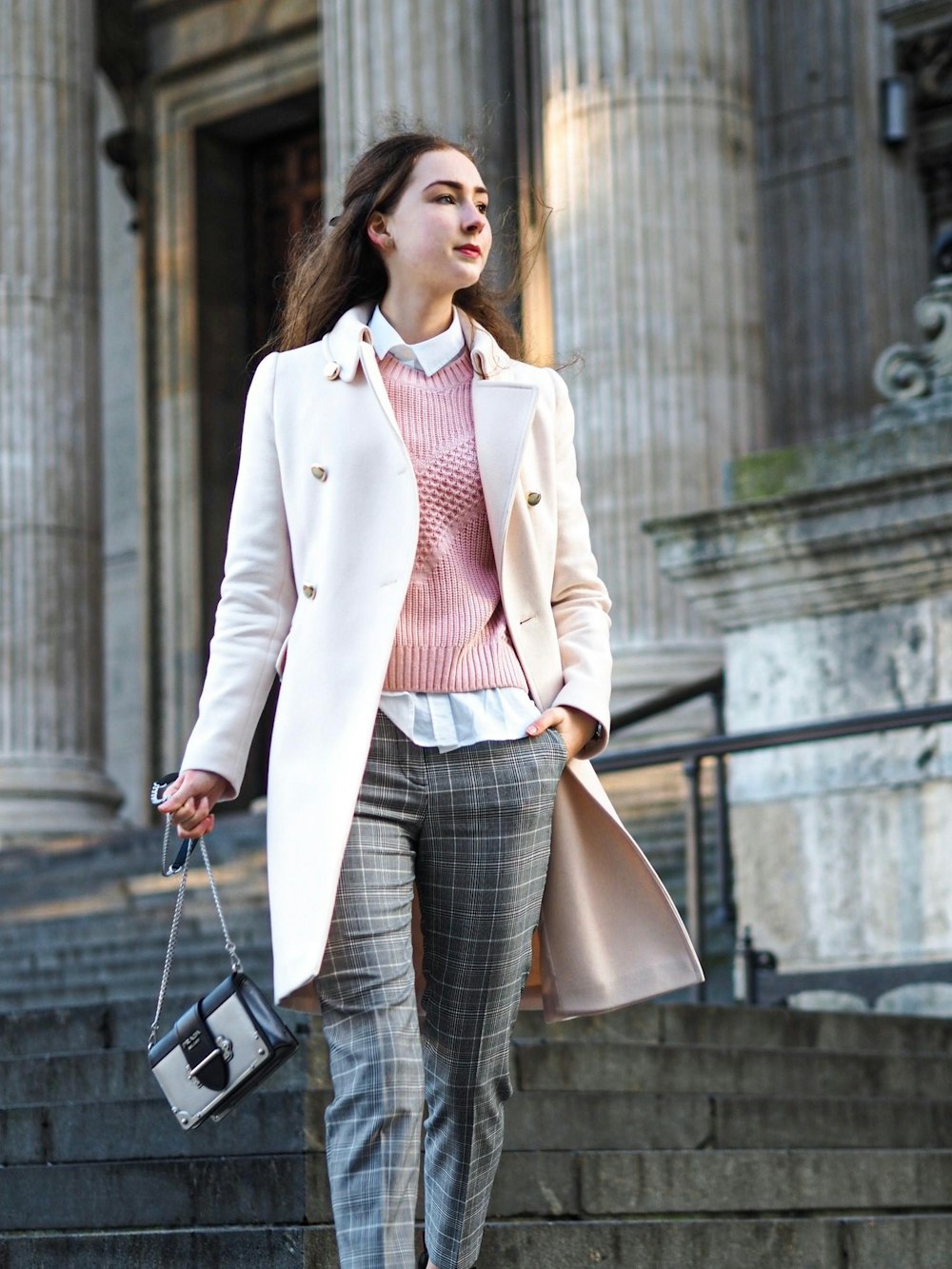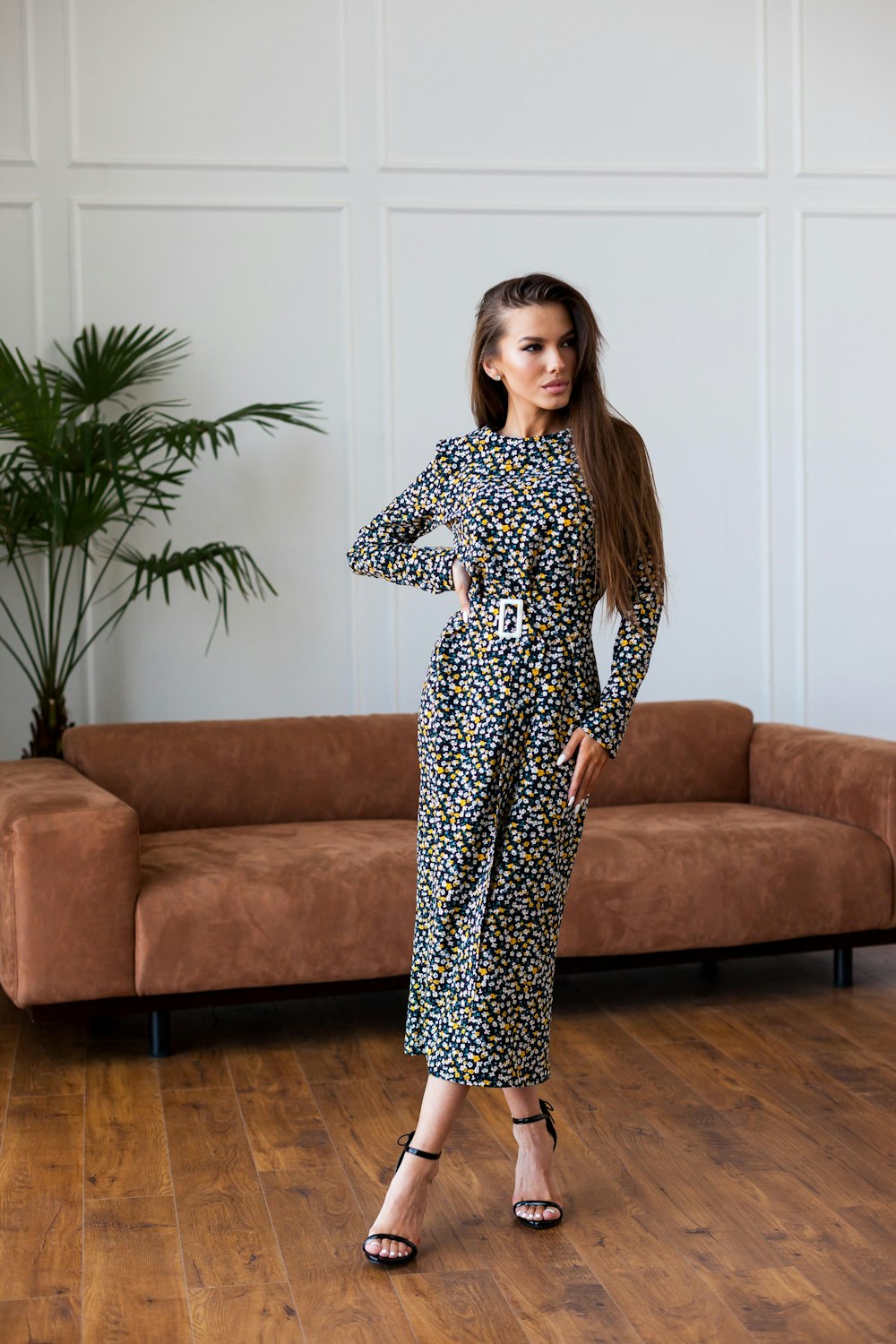
Choose the event’s ordinary movements
A dress may look pleasing while standing and feel different during a long meal or journey. Begin with the actual event: sitting, walking, carrying a bag and using an outer layer. Check any organizer's current dress requirements directly if they matter.
Put on the appropriate layers and footwear that will accompany the dress. The aim is a complete useful outfit, not a mirror assessment of the garment alone. Keep the wearer's comfort and preferences central rather than treating a photograph as the whole decision.
Sit in a suitable ordinary chair
Sit naturally and notice the waist, neckline and sleeves. Check whether you can move comfortably without continually adjusting the garment. Look at the hem in the seated position and decide whether it suits your preferences and the event.
Keep observations specific: a seam presses when seated, or a sleeve restricts reaching for a glass. Try another suitable size or design where possible rather than assuming every issue can be corrected with a belt or different accessory.
Add the outer layer and bag
Wear the jacket or coat with the dress and check the sleeves together. Lift the usual bag and walk a suitable short route. A piece chosen for color may add bulk or change the way the dress sits.
Assess the outfit after removing the outer layer too. Our layered-sleeve guide supports the fit check. A useful event outfit should remain comfortable through the different parts of the day rather than depend on a coat staying on throughout.
Read care and alteration requirements
Check the garment's actual care information and condition. If buying, follow the retailer's current assessment and return conditions. Keep product information until the decision is clear. If alteration is considered, consult a suitable professional about the actual construction and intended result.
Do not assume a small-looking change is easy or that an alteration will solve several unrelated fit issues. Include the work in the practical choice. For borrowed clothing, obtain the owner's explicit agreement before any modification.
Keep a complete outfit reference
Record the dress, footwear, outer layer and bag that worked together. A private photograph can help repeat the look, while a brief note preserves the seated-comfort observation. Return the garment through its care routine after use.
Our wardrobe guide helps connect occasional outfits with existing pieces. The outfit edit supports trying owned clothes first. One comfortable complete combination can be more useful than several dresses awaiting another purchase.
Dress-fitting questions
Does every dress need a seated test? It is useful when the planned day includes sitting, which many events do. Test the actual garment and activity rather than relying on a general silhouette rule.
Can a looser size always fix discomfort? Compare the full fit. A larger size may change other areas without solving the original construction issue.
What if I keep adjusting the dress? Identify the reason and consider another suitable option. A special occasion does not require accepting a garment that distracts throughout the day.
Read how we put our guides together, or flag a correction at [email protected].