Name the two kinds of counter use
A kitchen counter can hold equipment used every day alongside objects left there during an unfinished task. Separate those roles before deciding the room needs more storage. A familiar appliance may have a suitable permanent position, while a parcel or paperwork pile may simply need its next step completed.
Keep the kitchen's actual preparation and equipment requirements central. This is a surface-planning guide, not a universal appliance layout or food-handling method. Follow the specific products' instructions and appropriate reliable guidance for the work being done.
Identify equipment that genuinely stays
Choose which items need an appropriate regular counter position for the household's actual routine. Include the complete operating and care requirements, not just the closed footprint. A product shown neatly parked can need another amount of suitable space during use.
Read the actual manufacturer's information for setup and relevant surrounding conditions. Do not assume an appliance can live beneath a shelf because another model appears there in a photograph. Resolve the specific product question before treating the location as settled.
Give temporary tasks an endpoint
Name why an object is waiting and who handles the next action. A recipe being used today and an unopened delivery create different tasks. Keep private paperwork and unrelated belongings out of unsuitable kitchen positions rather than collecting them in a decorative tray by default.
Our instruction reference guide helps give product documents a clear home. A manual may need to be accessible without remaining permanently beside the appliance.
Preserve the working surface
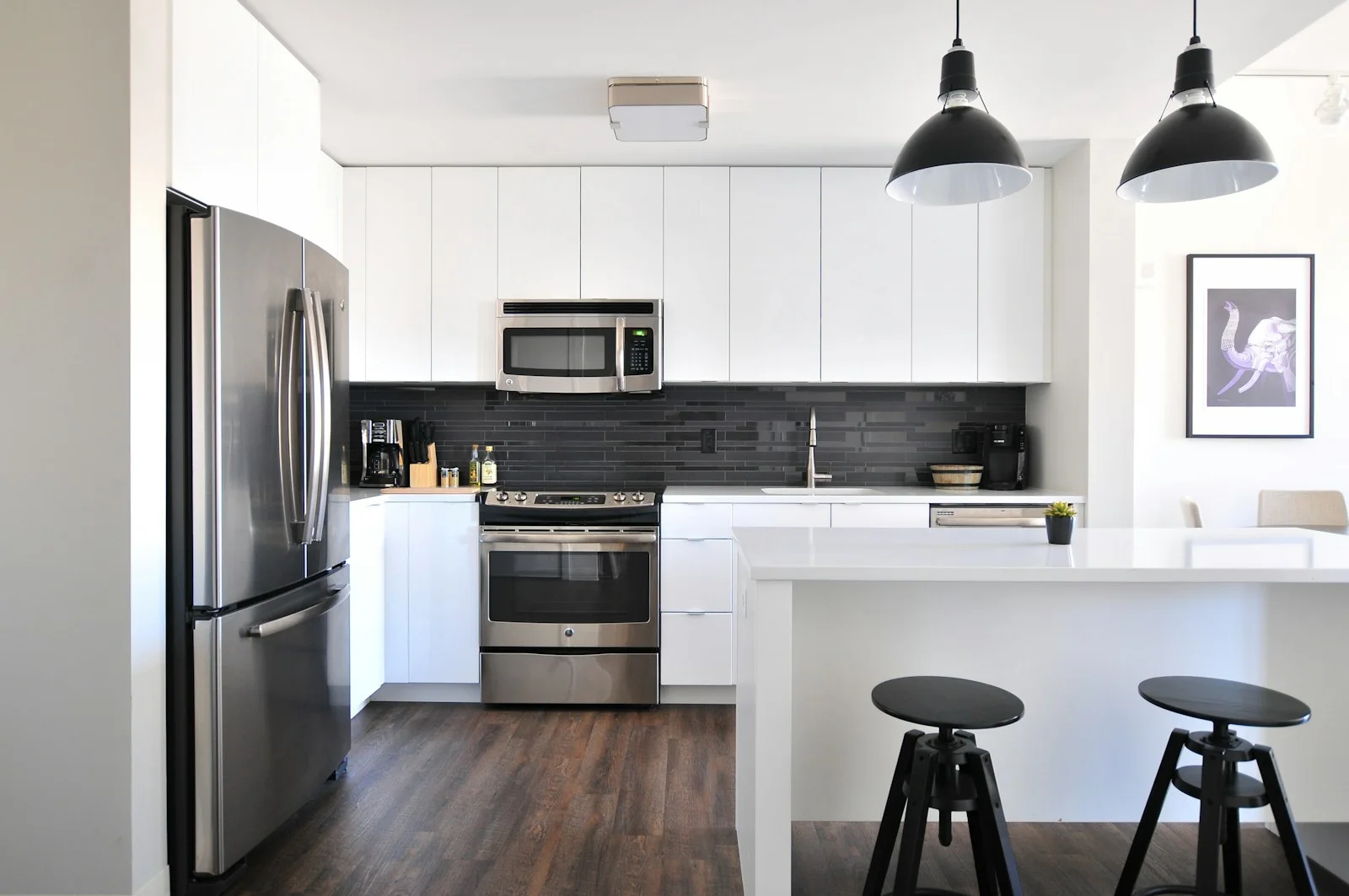
Look at the counter during the actual household task, with relevant people and equipment in their suitable positions. A clear empty-room photograph cannot establish the available working area when preparation begins. Include cupboard and drawer movements too.
If temporary objects repeatedly occupy the same area, identify their route through the home. A suitable waiting position elsewhere may be justified, but it should not block another room function. Solving the counter should not simply transfer a pile to an interior doorway.
Review before adding accessories
Check whether a proposed rack, stand or container genuinely improves the arrangement. It has its own dimensions, materials and care requirements and may consume more working surface. A coordinated collection is optional if the existing counter already serves its purpose.
Our breakfast corner guide considers one particular kitchen activity. Keep this broader distinction clear: equipment can stay for an understood reason, while an unfinished task needs an appropriate next step rather than permanent counter ownership.
Counter-use questions
Must every appliance remain visible? Choose from actual use and product requirements.
Can a tray resolve every temporary pile? Name and complete the underlying tasks.
What if the counter looks clear but cannot support preparation? Assess it during the real occupied task, not only with everything closed.
Read how we put our guides together, or flag a correction at [email protected].