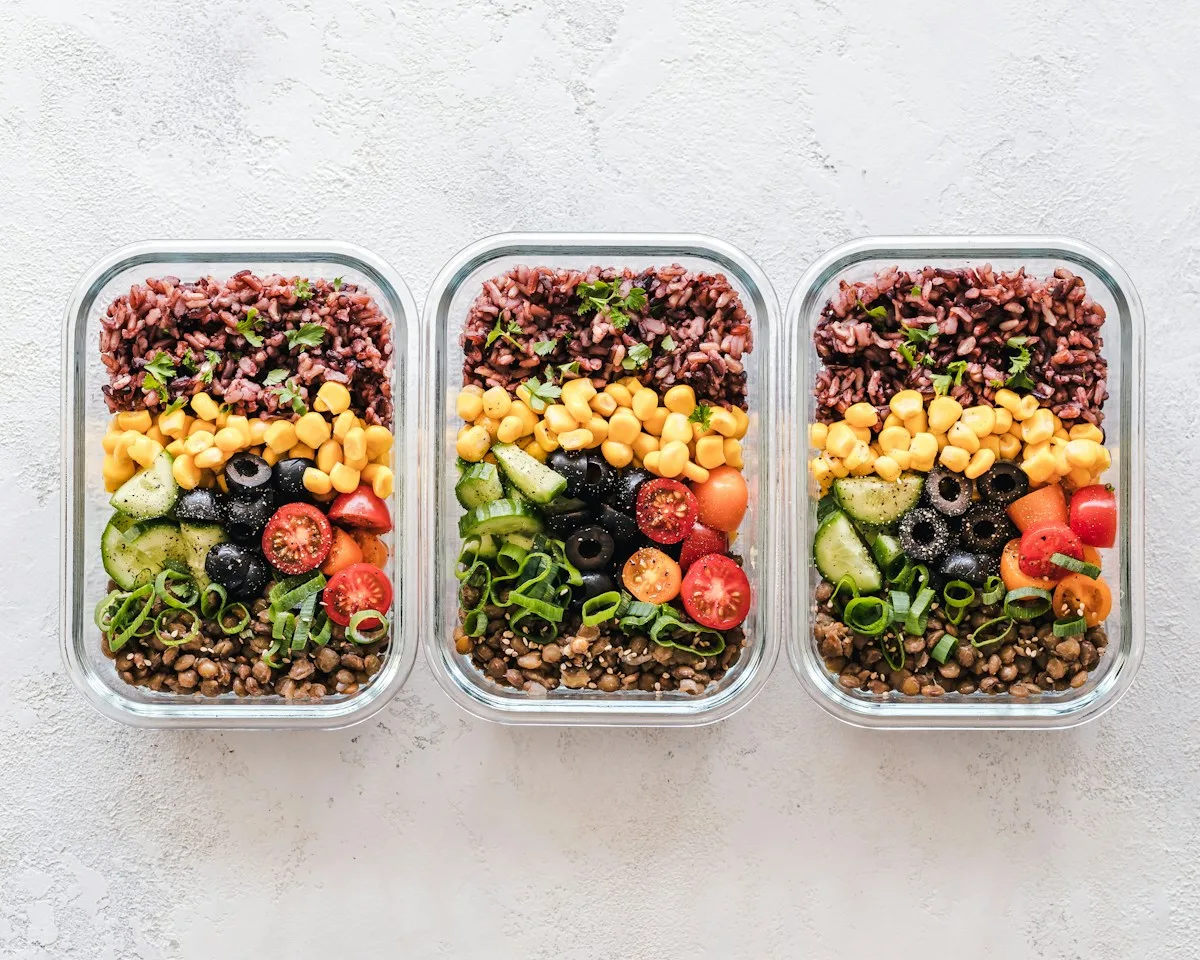
A lunch container's outward job is easy to picture: the planned food fits and the lid closes. The return deserves the same attention. An awkward lid, several small parts or an oversized drying footprint can make a compact-looking box less useful during an ordinary week.
Follow the actual lunch journey
Name where the meal is eaten, how the container travels and what happens when it returns. A box used at home has different practical demands from one carried in a daily bag. Keep the decision connected to that route rather than a generic image of meal preparation.
Read the product's intended uses, materials and care information. A suitable storage box is not automatically suitable for every heating, transport or cleaning task. Keep the actual food's appropriate handling and storage requirements part of the plan too.
Check the complete lid group
Identify which lid and any associated components belong to the candidate. Similar-looking boxes may not share interchangeable lids. A complete verified pairing is more useful than a cupboard of almost-fitting parts that need trial and error each morning.
Look at the care of those components. A detachable small piece needs an appropriate place during cleaning and drying so it does not disappear among other washing-up. Choose a system whose ordinary requirements the household can realistically provide.
Compare the empty footprint
Measure the box and lid in their suitable drying and stored arrangements. A set may nest neatly without lids while leaving a separate awkward lid pile. Include both states before deciding how much cupboard space the purchase needs.
Keep the pieces in appropriate conditions before returning them to ready storage. A closed stack should not conceal damp or unfinished care merely because it looks tidy. The return is complete when the actual set is ready for its next intended use.
Count a realistic rotation
Choose the quantity around the household's ordinary sequence of packing, eating, cleaning and return. Do not buy a large assortment for an imagined perfect week if only a few pieces have a current role. A smaller compatible group can be easier to understand and maintain.
After several lunches, note which part caused the repeated difficulty. It may be an unsuitable shape in the bag, a hard-to-identify lid or a drying position larger than expected. Address that detail before adding another box.
A useful lunch container works after the food has gone as well as when it is freshly packed. Its lid, care and storage form one practical household item, with the clean return supporting the next morning rather than becoming a task that is rediscovered each time.
Count the lid components in their drying position as well as in the closed box, since those two footprints can differ substantially.
Related reading
Measure Drawer Contents Before Buying Dividers, Build a More Considered Shopping Routine.
Read how we put our guides together, or flag a correction at [email protected].