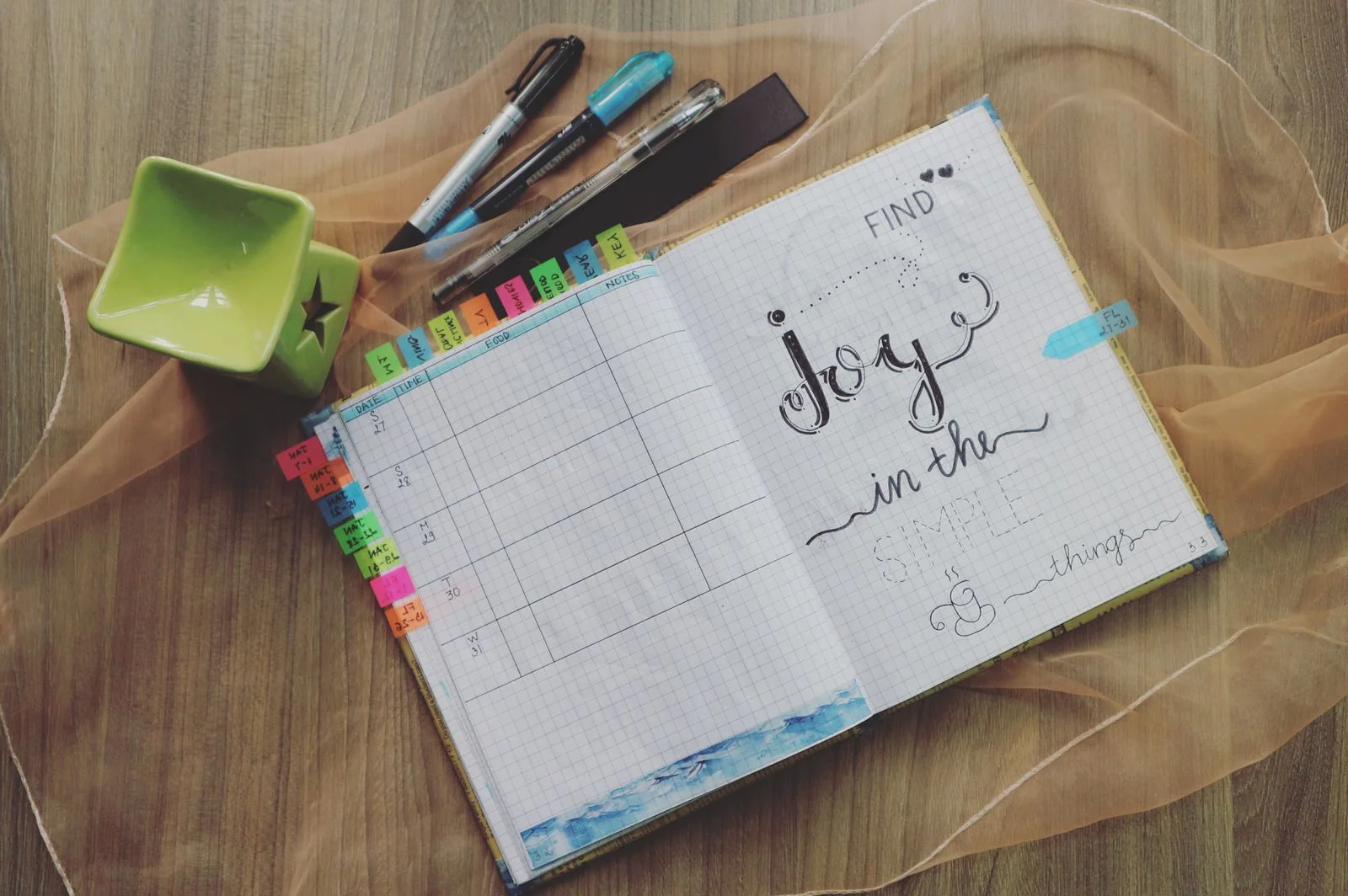
Define what would finish the note
A planner can hold a household idea for months because nobody has decided what would count as its ending. Before carrying the note into another week, name its actual purpose and a suitable endpoint. The task may finish with a decision, a request for reliable information or choosing to leave the current arrangement alone.
Keep the note modest and connected to a real household need. This article does not prescribe a productivity system or require every room preference to become a project. A small clear ending can reduce recurring uncertainty without filling the planner with more obligations.
Separate the idea from the active task
An attractive future possibility can remain an idea while the household works on something else. Keep that stage distinct from an agreed current action. Do not let a note added casually become an instruction another person is expected to carry out without discussion.
Our considered shopping guide begins with a real reason before purchasing. A planner endpoint supports that restraint by making it clear when information is sufficient and when a proposed object does not actually need to be bought.
Choose a specific next action
Write what genuinely needs to happen and who has agreed to do it. A cupboard dimension, a product question or a suitable retained comparison can each be a manageable step. A vague note to fix the room may conceal several undecided tasks and make the ending impossible to recognize.
The work-session ending guide closes one household stage deliberately. Planner notes can follow that scale instead of preserving every earlier intention as permanently active work.
Keep unresolved information honest
If the task depends on an outside answer, mark that clearly and use the appropriate source. Do not invent a specification or assume a remembered policy merely to close the planner line. The endpoint should reflect a real understood decision, not a visually satisfying tick.
When the household need changes, review the note instead of carrying it forward automatically. A date can provide context, but it does not establish that an old task remains useful. Keep private information through its relevant arrangement rather than displaying every planning detail publicly.
End the note without creating another automatic task
Once the purpose is served, retain only the useful appropriate information and retire the temporary reminder. A completed choice does not need to generate another improvement idea immediately. The planner should leave room for ordinary life as well as household work.
What if the note no longer matters? Drop it deliberately rather than treating it as failure. What if the same question returns? Check whether the earlier decision's context is still applicable before reopening it. A considered planner endpoint makes one real household choice understandable and finished, allowing the next week to begin without carrying every past possibility forward.
Read how we put our guides together, or flag a correction at [email protected].