Name what the surface needs to hold
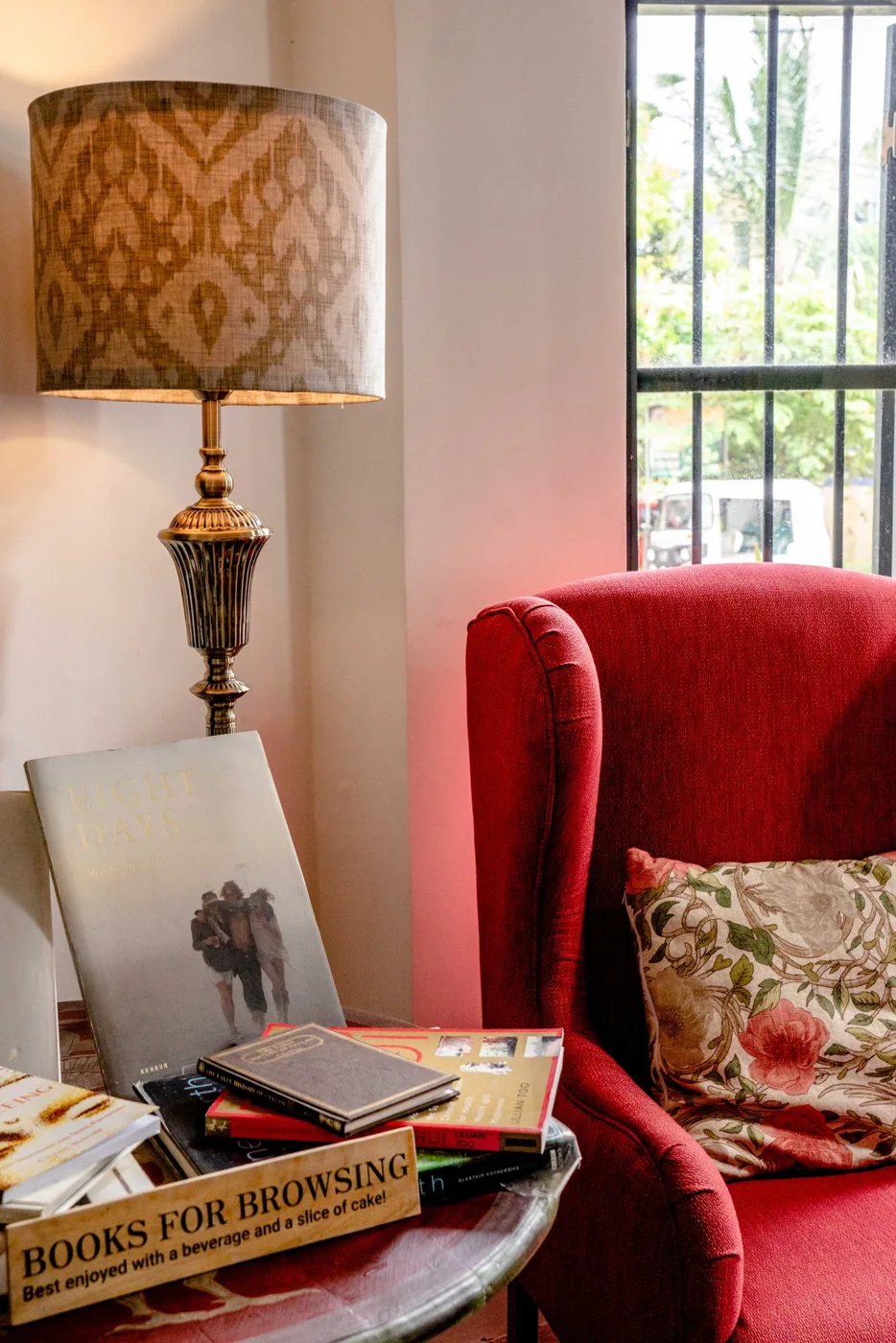
A side surface beside a reading chair can be useful when its contents are clear. Start with the actual current book and any other appropriate belongings genuinely used there. Avoid choosing a table by an empty corner and then searching for objects to fill it.
Keep product and personal requirements central. A decorative pedestal, broad side table and storage unit have different intended roles. The useful choice is one that serves the reader and room, not necessarily the smallest piece photographed beside a chair.
Check the seated relationship
Sit in the ordinary reading position and consider how the surface can be approached appropriately. Include the chair's arms and complete shape. A tabletop close to the seat in a photograph may be awkward from the person's actual position.
Follow the chair and surface requirements and keep necessary room access clear. Do not use an improvised unstable support to establish the height you want. An appropriate planning comparison can guide shopping without exposing belongings or people to an unsuitable setup.
Measure the usable top
Compare the complete footprint of the objects with the actual surface area. A book open to an illustrated page may occupy more space than its closed dimensions suggest. Include the base of any suitable retained lamp rather than measuring only its shade.
Read material and contact guidance for the furniture and objects. A tray has its own requirements and cannot be assumed to protect every finish. Resolve compatibility before treating the arrangement as ready for ordinary use.
Keep current and reserve distinct
Choose where additional books or unrelated supplies belong. The side surface need not hold the entire reading queue. A current item can remain easy to find while the reserve waits in another suitable position.
Our reading queue guide supports a manageable choice. The current book guide considers another seat. Keep the surface's role simple enough that return does not require rebuilding a stack.
Compare retained options first
Where an existing piece can be used and handled appropriately, assess whether it serves the actual need. Recheck the room with the chair occupied and relevant doors or drawers open. A table that works for reading should not make another household activity inconvenient.
If shopping remains justified, record the contents, full dimensions and room relationships that matter. A useful product description is more specific than a stylish little side table. The result should support a real reading session and a clear return afterward.
Reading-surface questions
Does a small top automatically suit a small room? Compare usable area and the occupied relationship.
Must every book wait beside the chair? Keep the current read distinct from the reserve.
Can a tray solve every material issue? Check the actual objects and furniture guidance.
Read how we put our guides together, or flag a correction at [email protected].