Start with the shirt’s construction
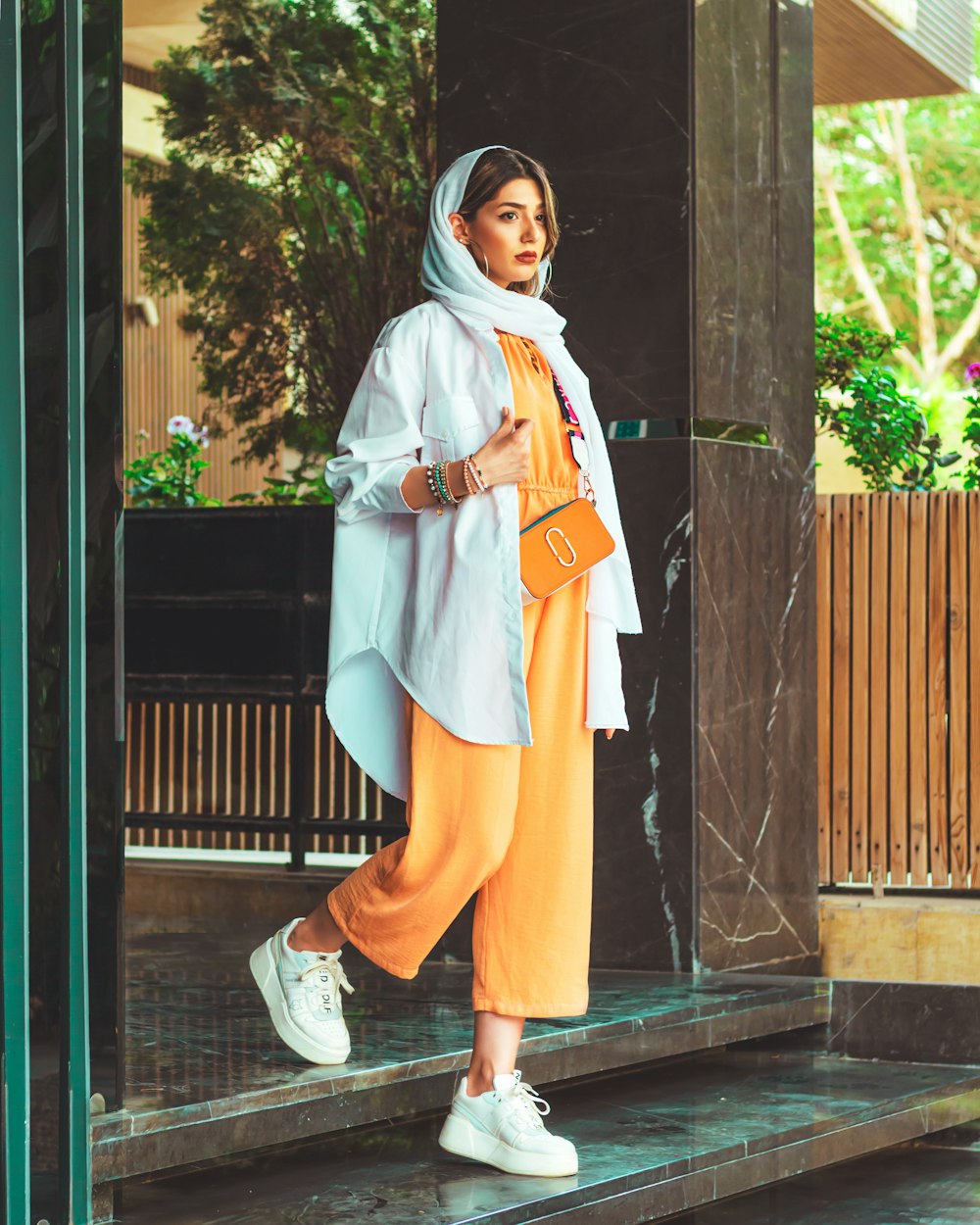
A relaxed shirt can look different with the sleeves adjusted, but the useful approach depends on its cuffs, fabric and fit. Read the care information and inspect any buttons or sleeve tabs. Work with the garment's existing design rather than forcing a roll that strains a fastening.
Try the shirt as part of the intended outfit. Wide trousers, jeans or a skirt can change the overall balance, so assess the whole combination rather than a sleeve detail in isolation.
Make one simple trial
Unfasten the cuff where appropriate and try a small even fold that follows the shirt's shape. Adjust gradually and keep the fabric comfortable around the arm. This is a styling trial, not a requirement to use a particular number of turns.
Check both sleeves from the front and side. They do not need mathematical precision, but the arrangement should feel intentional and manageable. If the fabric becomes bulky or uncomfortable, reduce the fold or leave the sleeve in its designed position.
Test the hands-on part of the day
Reach for a bag, sit at a table and do the ordinary movements the outfit needs to support. Notice whether the sleeve drops constantly or gathers tightly. A private reference photograph can save the appearance, while a short note records whether it actually stayed comfortable.
Keep the garment clear of equipment or tasks where loose clothing would be unsuitable, following the relevant instructions. Styling should fit the activity rather than encourage ignoring practical requirements.
Compare the outer layer
Put on the jacket or coat used with the shirt. A rolled sleeve may create a thicker section beneath it, while a flat sleeve may sit more easily. Check the combination in motion before leaving.
Our relaxed-shirt guide offers broader outfit ideas. The coat-sleeve test helps assess the layered fit. Choose the arrangement that works through the whole day, including the part spent wearing the outer layer.
Keep the successful version easy to repeat
Record the shirt, fold and outfit partner that worked. Return the shirt through its appropriate care routine after use. Do not make a permanent alteration just because one temporary sleeve arrangement looked pleasing.
If a sleeve repeatedly needs attention, reconsider the garment's fit and design for that task. Another existing shirt may serve the day better. The useful result is a wearable combination, not a rule that every relaxed shirt must be rolled in the same way.
Sleeve-styling questions
Must both sleeves be identical? A reasonably consistent arrangement can look settled, but comfort and ordinary movement matter more than exact measurement.
Can a sleeve tab replace rolling? Use the garment's intended feature if it suits the outfit and remains comfortable. Check its condition and fastening.
What if the roll will not stay? Try a simpler appropriate arrangement or wear the sleeve as designed. Avoid adding an improvised attachment that could damage the fabric merely to preserve a styling idea.
Read how we put our guides together, or flag a correction at [email protected].