Look at the wrist as a group
A shirt cuff, watch and bracelet may each seem modest when viewed separately. Together they can create several lines at the same point. Begin with the shirt in its ordinary sleeve position and the wrist detail you genuinely use, then look at the combination in a mirror.
Include the complete outfit. A strongly detailed neckline or bag may already supply enough visual activity. The wrist does not need to repeat every material elsewhere, but it should make sense beside the clothes you intend to wear.
Keep the cuff in its natural position
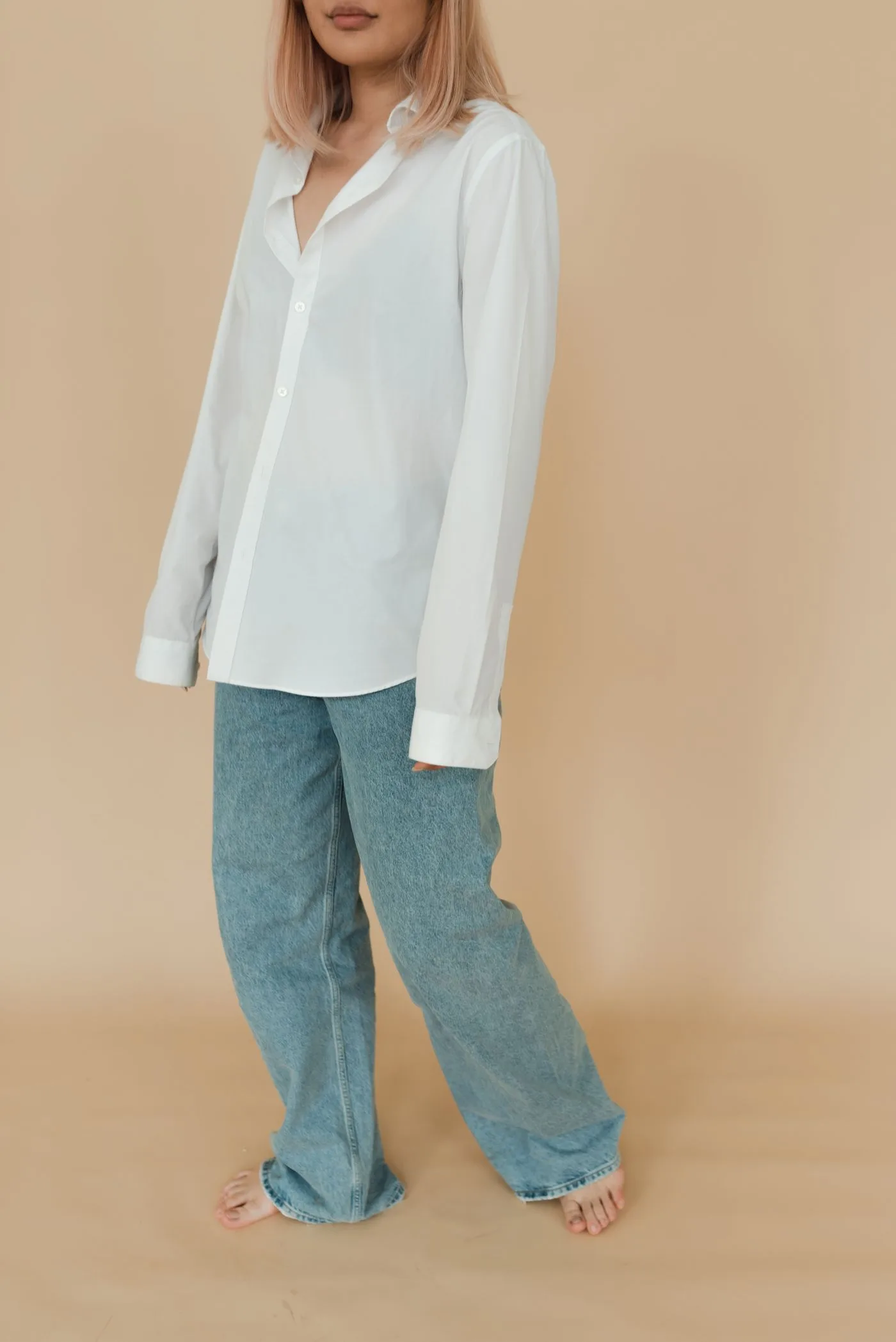
Fasten the cuff using its intended buttons and suitable fit. Let your arm rest and move normally instead of pulling the sleeve into a photograph-ready position. Notice how much of the watch or bracelet remains visible without repeated adjustment.
A sleeve roll changes the relationship, but use one you can comfortably maintain in the actual shirt. Do not assume a delicate fabric will hold the same roll as a crisp one, or force a tight cuff over jewellery to make it stay in place.
Choose the necessary detail first
If you use a watch to tell the time, make that practical role clear before adding optional jewellery. Check whether the cuff allows ordinary viewing and whether the arrangement feels manageable during the day's tasks. Appearance should not depend on constantly pushing fabric away.
If the bracelet is the main decorative choice, compare it alone before adding several other pieces. A single visible shape may provide enough contrast with the cuff. The quiet version gives you a reference for deciding what each additional item contributes.
Compare surfaces and scale
A broad cuff can support a different visual scale from a narrow one. Smooth metal, beads and woven details also create different relationships with the shirt's fabric. Look at the group from a normal distance so tiny close-up differences do not take over the decision.
Use the actual materials' care guidance where contact is a concern. Do not rub jewellery against a cuff to invent an abrasion test. If a fastening or edge repeatedly catches during appropriate use, stop and assess that particular combination rather than continuing for the sake of its appearance.
Keep the version that remains clear through ordinary movement. It may show the cuff with only a watch, leave the wrist plain or make one bracelet the visible detail. Record the specific shirt pairing if it helps future dressing. You are choosing a workable small group, not establishing a permanent rule that every cuff needs jewellery or that every accessory must always remain fully visible.
Related reading
Choose a Shirt Sleeve Roll That Survives an Ordinary Morning, Keep Knitwear and Hard Accessories in Suitable Separate Storage.
Read how we put our guides together, or flag a correction at [email protected].