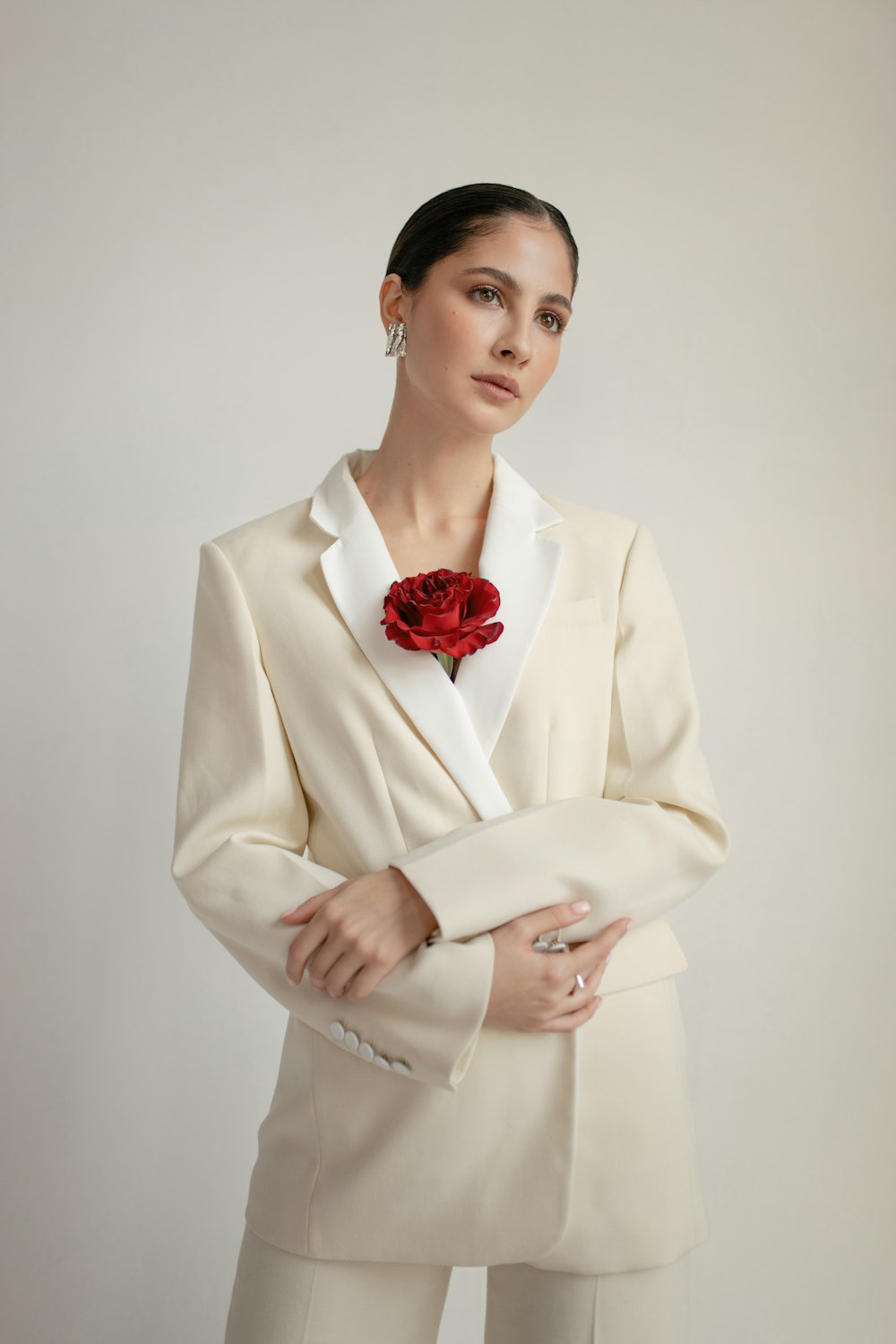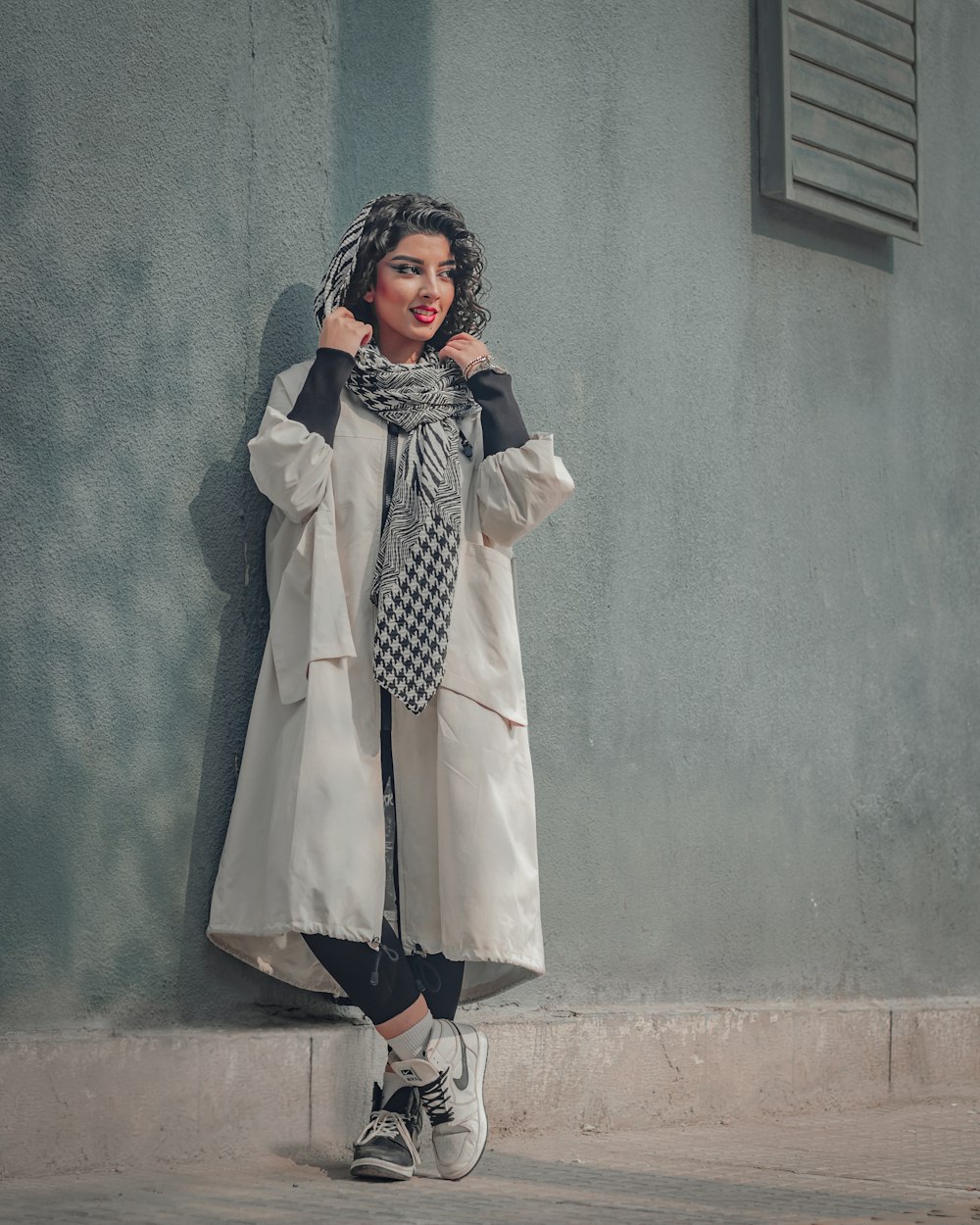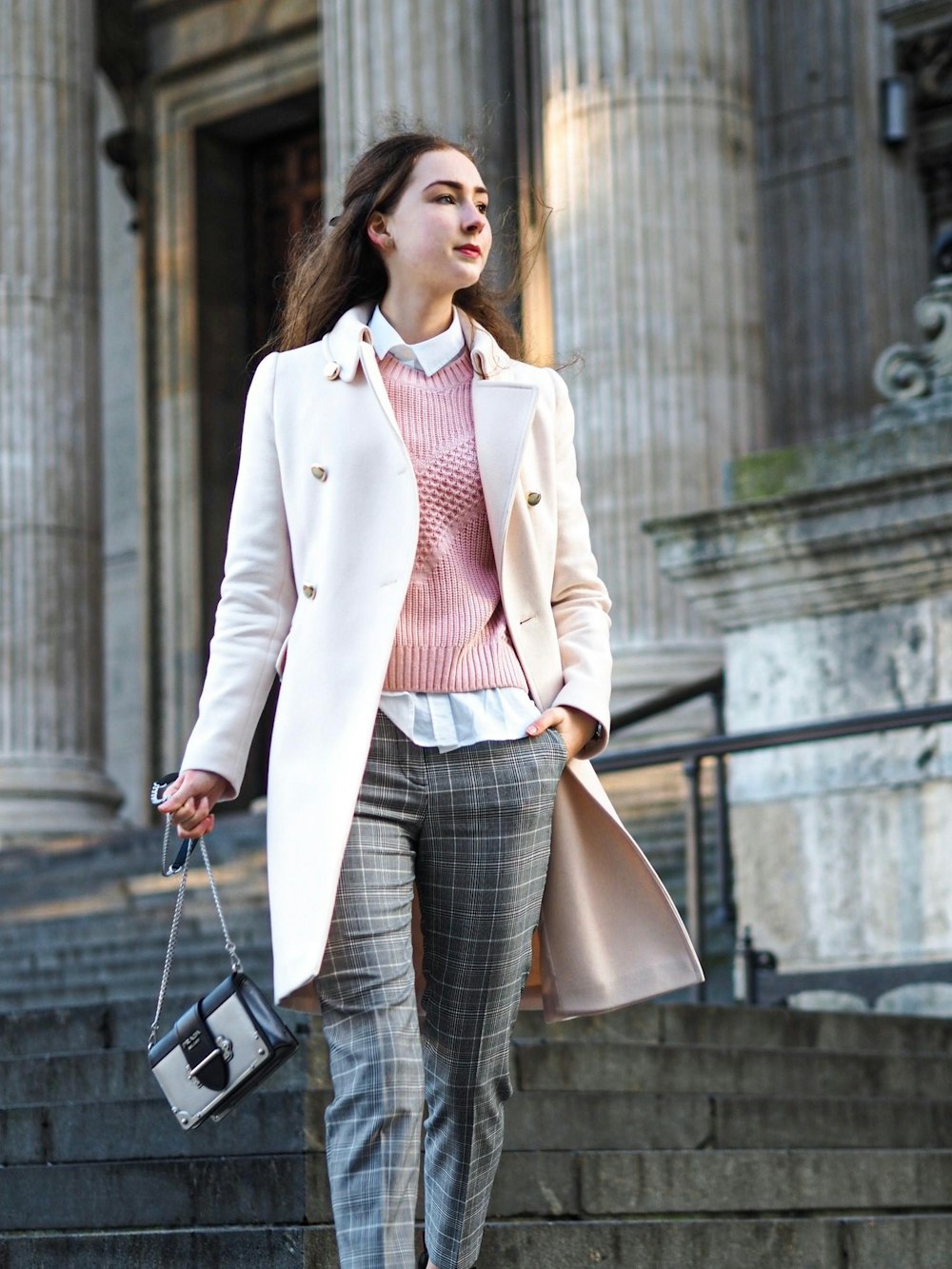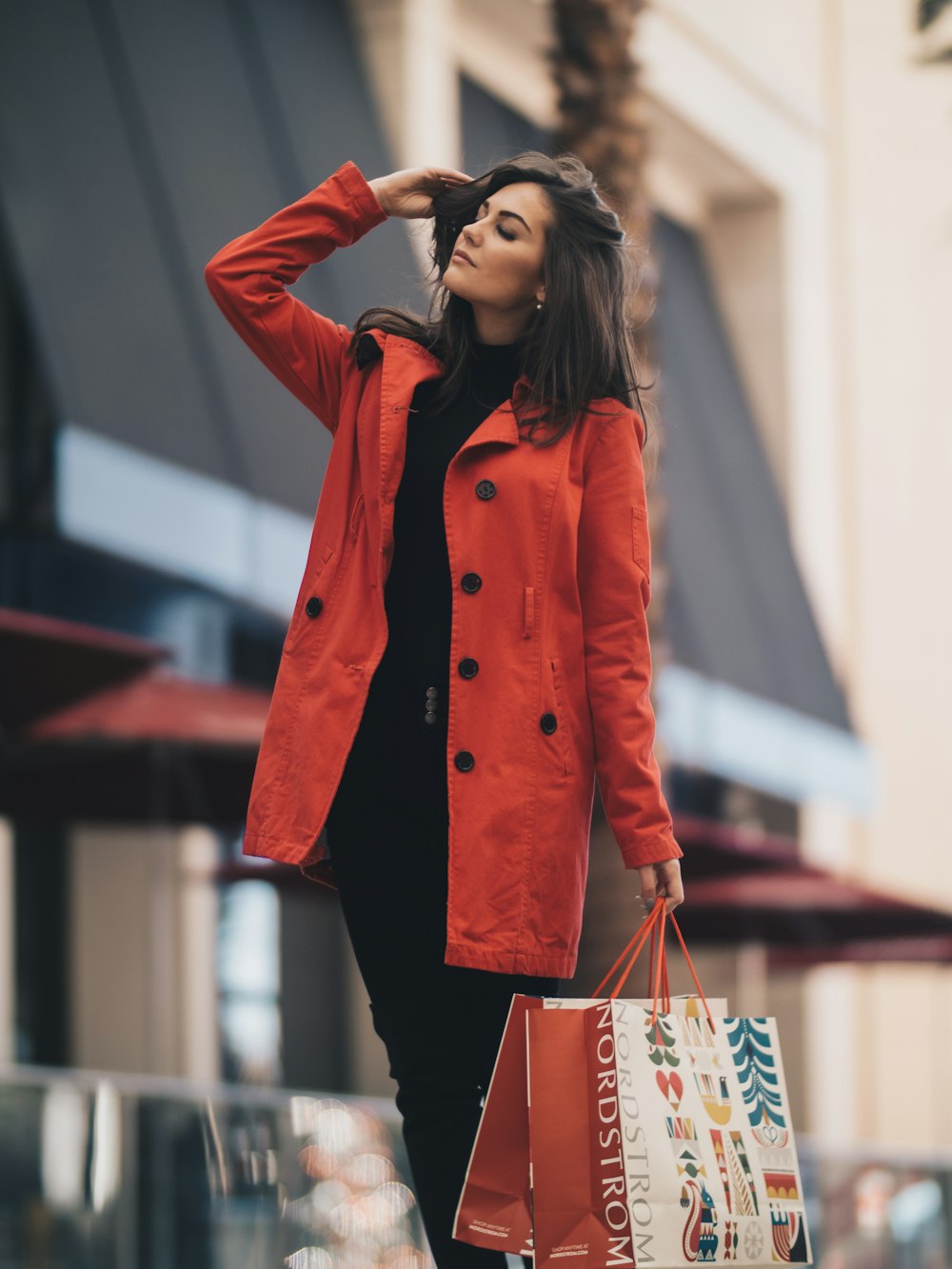
Choose one complete familiar outfit
Testing two strong colors is easier when the base outfit already works. Choose suitable trousers or another familiar piece, comfortable footwear and the practical bag for the day. Then add the two colorful garments or accessories you want to try.
A private styling experiment can remain small. There is no need to declare a universal color rule or replace the quiet pieces already serving the wardrobe. The useful question is whether the combination feels comfortable and intentional for the person wearing it.
Compare the amount of each color
Look at how much space each color occupies in the full outfit. A coat and a small scarf create a different relationship from two equally large garments. Try changing one element's position or using a smaller existing accent before deciding the colors cannot work together.
Judge the clothes in ordinary daylight and the setting where they will be worn. Photographs and screens can alter appearance, so use them as records rather than the sole color reference.
Keep the practical layers intact
Fasten the garments and move through the tasks the day requires. Color interest does not remove the need for suitable fit, weather protection where relevant and comfortable carrying. Check product information for the actual items rather than assuming a tailored fashion piece serves every condition.
Our statement-coat guide supports the outer layer. The colorful sweatshirt guide offers another familiar starting point. Keep the actual garment roles clear while experimenting with their visual relationship.
Leave accessories optional
Try the combination with the accessories already used. One shared small detail may connect the colors, but exact matching is not required. Remove an unnecessary piece if the outfit becomes visually busy or physically awkward.
Avoid buying several objects solely to justify a color experiment. A bag still needs to hold the right contents, and a scarf should remain comfortable and suitable for its use. The outfit should support the day rather than become a display carried around for its own sake.
Record the version you want to repeat
Save a private photograph or short note naming the successful pieces. Note whether the outfit worked open, closed and without the outer layer. Keep the reference easy to retrieve before another ordinary day.
Our weekend outfit guide helps test existing clothes before shopping. If the combination does not feel right, try a smaller change or return to one colorful piece. A useful experiment can clarify a preference without producing a new purchase.
Color-pairing questions
Do strong colors need a neutral between them? Not as a universal rule. Assess the actual garments, amount of color and your preference.
Must accessories repeat both colors? No. Useful familiar accessories can remain separate from the experiment.
What if the colors look different in a photograph? Check them in person under the relevant conditions. A screen record is helpful for remembering pieces, but it may not reproduce the exact shades.
Read how we put our guides together, or flag a correction at [email protected].