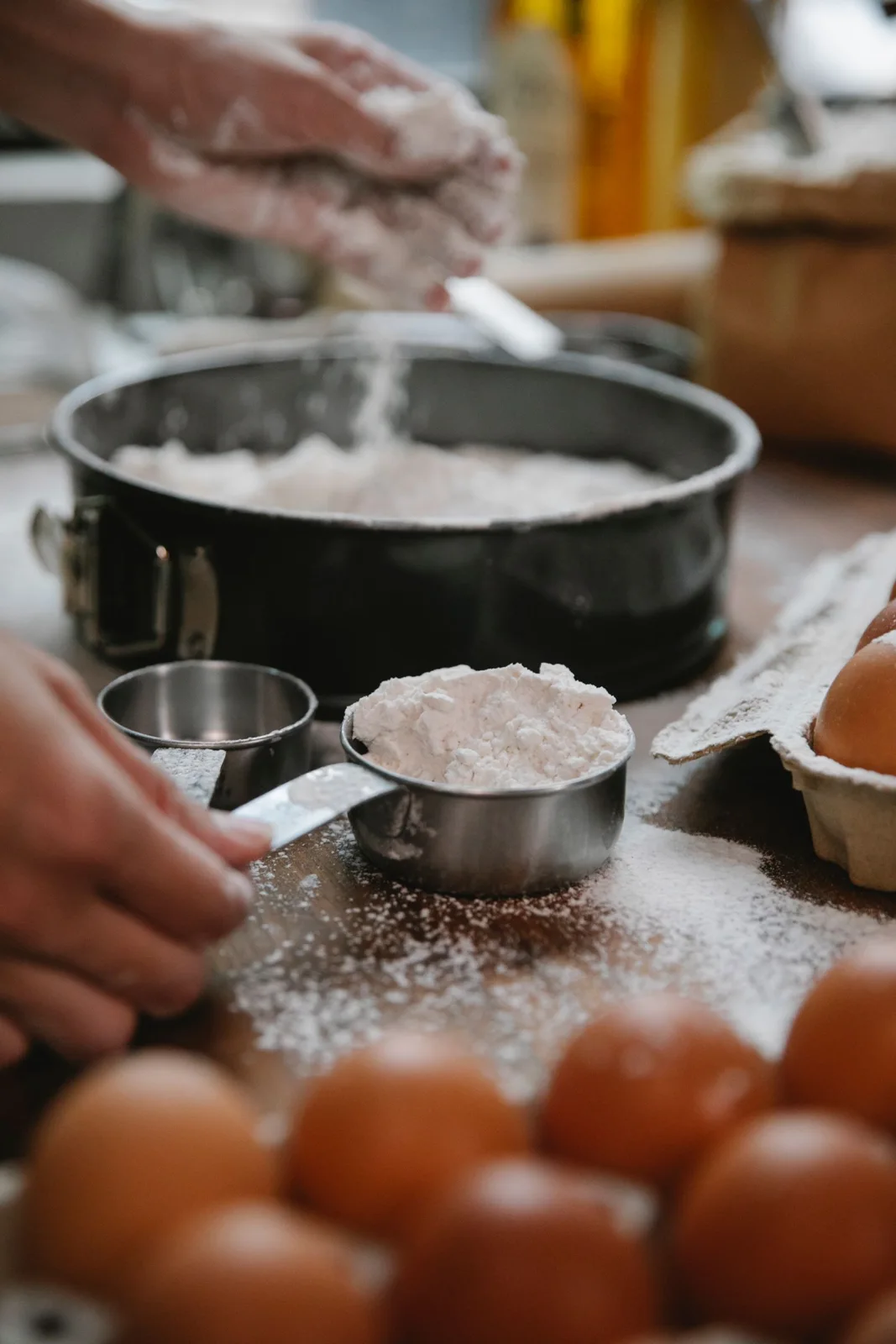
A small bake can feel straightforward until the mixture is ready and the pan is not. The recipe calls for lining, a particular tin or another preparation that was easy to overlook beside the ingredients. Read the pan instructions before beginning the mixing stage, while there is still room to choose another plan.
Find the complete pan description
Read the equipment note and the full method. Check the stated dimensions, shape and any other feature that matters to the recipe. A round springform pan and a solid-base tin can look similar from above while having different construction and handling requirements.
Compare the actual pan rather than relying on a cupboard label. Measure in the way the recipe or product information specifies. If the equipment is not suitable, choose a supported alternative from reliable instructions or another recipe before preparing the mixture.
Separate preparation from decoration
Identify the instruction that prepares the pan to receive the mixture. This may involve a specified lining or another recipe-directed step. Follow the method and the pan's own care and use guidance rather than applying a treatment automatically because it worked for a different bake.
Keep decorative ideas separate from this stage. A finished cake photograph may show an attractive edge, but it does not tell you how the pan was prepared or how the bake was released. Use the written method for those practical decisions.
Make the lining fit its intended role
If the recipe calls for lining, check the required areas and use a suitable material for the task. Read any temperature or use limits supplied with the material. Cut and position it before the mixing bowls occupy the working surface.
Keep spare paper, scissors and packaging away from the active food area once the preparation is complete. A small bake benefits from a clear counter as much as a larger one. There is no need to set out an entire collection of decorating equipment before the basic pan is ready.
Check the later release step now
Read how and when the recipe says the bake should leave the pan. Identify the suitable surface or equipment needed for that later stage. Preparing the destination now can prevent another rushed search once the bake has reached the relevant point.
Follow the recipe's cooking and cooling instructions and the equipment's handling requirements. Do not shorten those stages simply because the pan preparation was completed early. The early check supports the method rather than changing it.
Before mixing, make one final glance at the prepared pan and the recipe. Confirm that they match and that the working area is clear. A small bake does not need elaborate planning, but its mixture does need a suitable, correctly prepared place to go.
Related reading
Separate Permanent Counter Equipment From Temporary Tasks, Keep Small-Appliance Instructions Tied to the Actual Model.
Read how we put our guides together, or flag a correction at [email protected].