
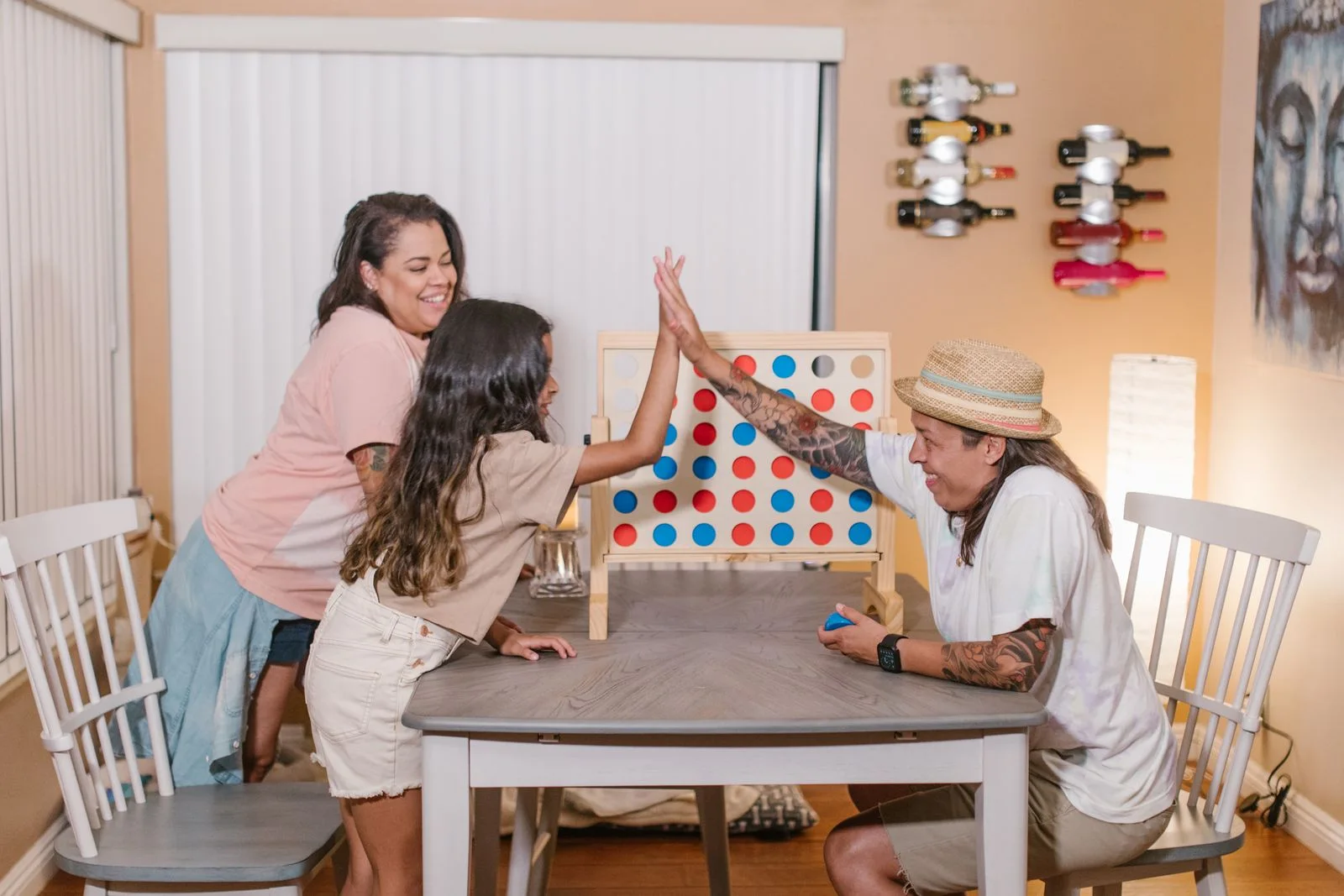
A casual game can begin with a clear example instead of an exhaustive explanation. Show the goal and one ordinary turn while the actual rules remain available. This gives new players something concrete to follow without quietly replacing the game with a collection of remembered assumptions.
State the goal plainly
Explain what players are trying to achieve and how the game ends. A person can know where a piece moves without understanding why the move matters. Use the game's actual terms so the explanation can be compared with the supplied instructions.
Set the playing area where the participants can see it comfortably. Choose a game and roles appropriate for the people involved, following its intended use information. A relaxed gathering does not require every person to join the same activity or complete a whole session.
Demonstrate the normal sequence
Use a sample turn to show the beginning action, an ordinary choice and the handover to the next player. Keep rare exceptions for the point where they become relevant. A long list of special cases can hide the basic movement a new player needs first.
Restore the correct starting arrangement after the demonstration. Say when the example ends and actual play begins. This avoids a teaching move accidentally becoming part of the real game position.
Keep uncertainty explicit
Leave the rules within reach and look up a question when the answer is unclear. Do not present a confident guess as a published instruction. A brief shared check is easier than correcting several turns based on different understandings.
If the group wants an optional variation, agree it openly and distinguish it from the original rules. A shorter session can be appropriate when its ending remains understandable. Avoid assuming a newcomer knows which parts are ordinary rules and which belong only to this gathering.
Let the first round answer practical questions
Give the first player time to make the movement and ask about the current step. Another person can point to the relevant instruction without taking over their decision. Missing a spoken detail is not proof that someone was unwilling to listen.
After each participant has had an ordinary turn, clarify the part that still causes confusion rather than repeating the whole explanation. Keep food and drinks in appropriate separate positions so the playing area remains usable.
When the session ends or pauses by agreement, return components or preserve the position in a suitable clear way. Note the one introduction detail that would help next time. A useful first-turn explanation supports a shared beginning, leaving the players' actual questions and the game's real instructions at the centre of the activity.
Related reading
Bring a Planned Picnic Indoors Without Recreating the Park, Set a Table With a Deliberate Mix of Retained Pieces.
Read how we put our guides together, or flag a correction at [email protected].