
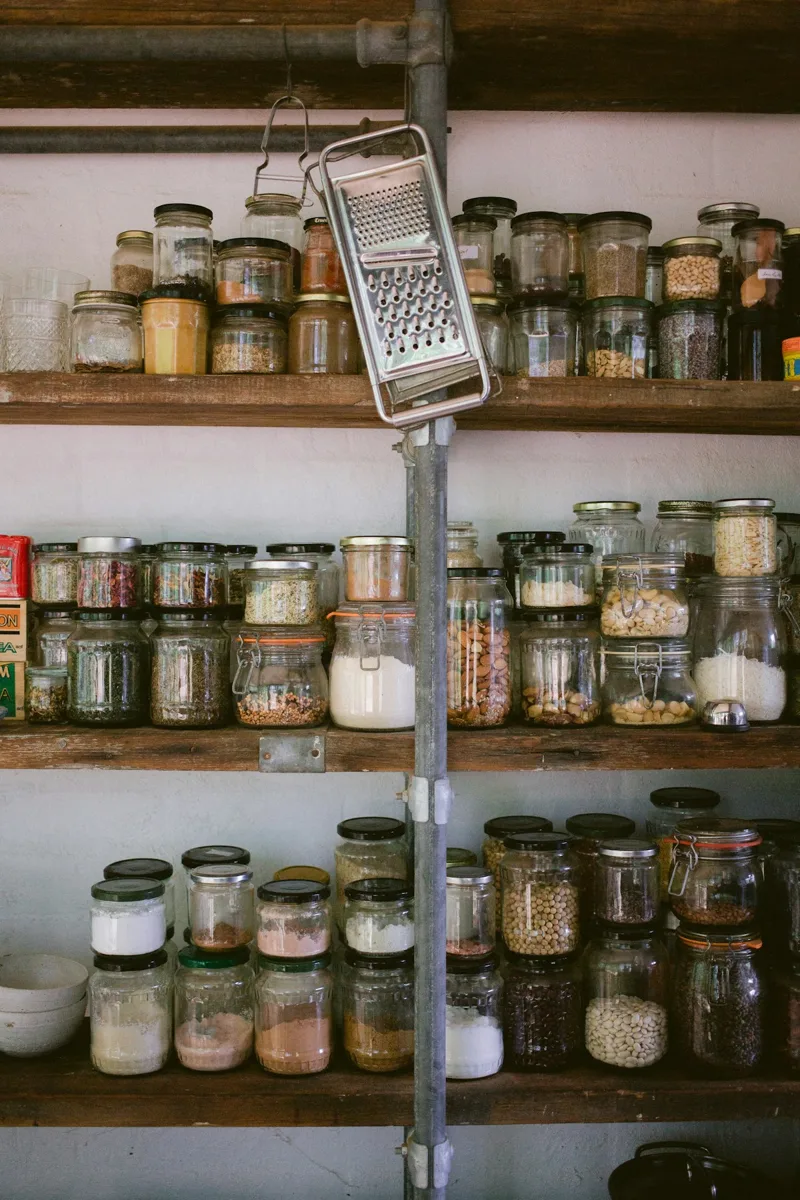
A refill is easier to understand when the package handover has a definite boundary. One package is in use, another is unopened, and a container may be waiting for its next suitable use. Give those states separate places on a small working note so the appearance of a matching jar does not stand in for a stock decision.
Describe the handover in states
Use plain terms such as current package, unopened reserve and empty container awaiting care. These labels describe different things. An empty jar does not prove that the product has run out, just as a full jar does not prove an unopened reserve still exists.
Check the actual food and its relevant product information before assigning a state. If identity or condition is uncertain, that is an unresolved question rather than another quantity to include confidently. Keep the boundary honest before adding any new food.
Decide which package becomes current
When a suitable new package is selected, identify it explicitly. Keep necessary product details associated with its contents if a suitable container is used. Do not let a permanent broad category label silently supply the name, dates or instructions for every future purchase.
Consider retaining the original packaging where it already serves the task well. A refill into another vessel should have a practical benefit. If it makes the package identity or instructions harder to preserve, the additional transfer may not improve this particular pantry item.
Split the handover only when responsibility is clear
In a shared kitchen, one person may prepare a container while another updates the shopping note. Tell each other when the actual transfer has occurred. Marking a refill planned is different from marking it complete, and an intention should not remove an item from the list prematurely.
The container must follow its own appropriate care and readiness requirements. A completed note cannot establish that the vessel is ready for storage. Keep preparation and product identity as two checks that both need resolving before the new current state is recorded.
Close the previous entry
Remove or clearly retire information that no longer describes the current contents, retaining anything still relevant through an appropriate method. Avoid a row of unexplained dates whose meaning is obvious only to the person who wrote them.
Then check the reserve state separately. If another unopened package remains, record that fact. If not, decide whether a replacement belongs on the actual shopping plan. The new jar's appearance should not make that decision automatically.
At the next stock check, read the three states rather than counting containers from a distance. The working note can remain small and temporary; its purpose is to carry the handover through without confusing intention, completion and reserve. A clear package boundary lets the pantry change products while keeping the household's understanding current.
Related reading
Separate Permanent Counter Equipment From Temporary Tasks, Build a More Considered Shopping Routine.
Read how we put our guides together, or flag a correction at [email protected].